RapidFit introduces a modular system based on 3D Printing for faster time-to-market and lasting cost reductions in automobile development.
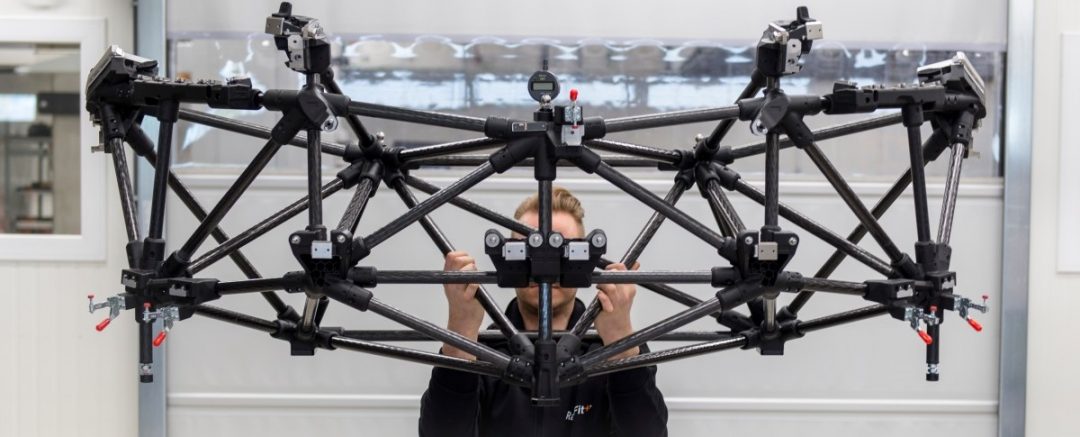

RapidFit introduces a modular system based on 3D Printing for faster time-to-market and lasting cost reductions in automobile development.

A novel binary network phenolic–silica aerogel that is fire-retardant, potential use as insulation material in buildings.
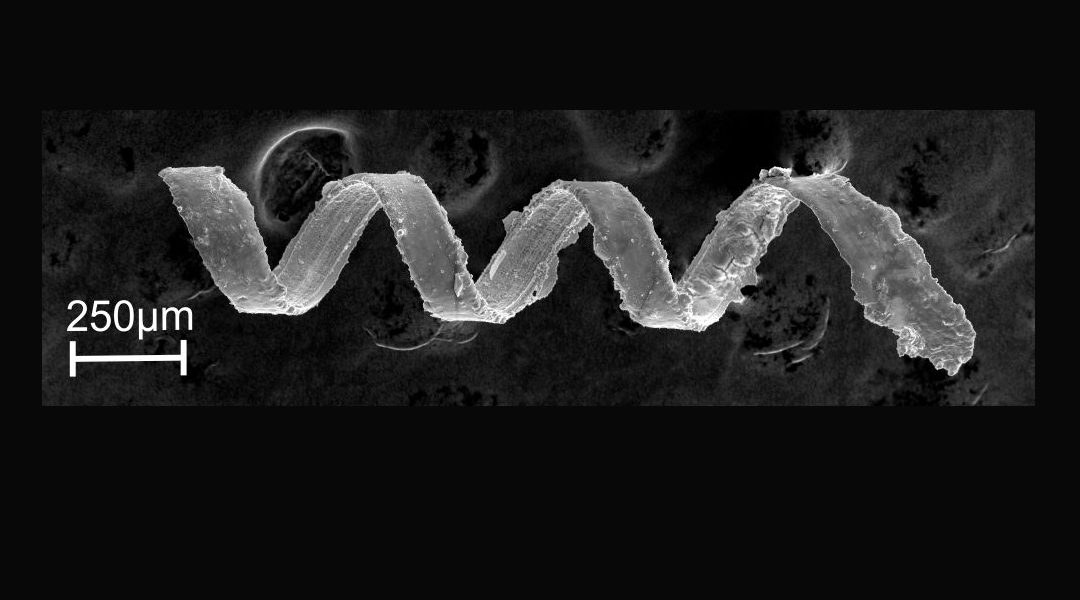
The fabrication of microhelices with semi-hard-magnetic characteristics using template-assisted electroforming is reported.

Material scientists shape the surface of tiny, curved carbon fibres tailoring the materials’ properties in a spectacuar way.
![Super-Repellent Surfaces Based on Triply Re‐Entrant Structures [Video]](https://www.advancedsciencenews.com/wp-content/uploads/2018/05/adma201800103_ASN_image_003.jpg)
Zhongze Gu and colleagues from Southeast University in China utilize direct laser writing to 3D-print omniphobic, triply re-entrant surfaces that can universally repel organic liquids.
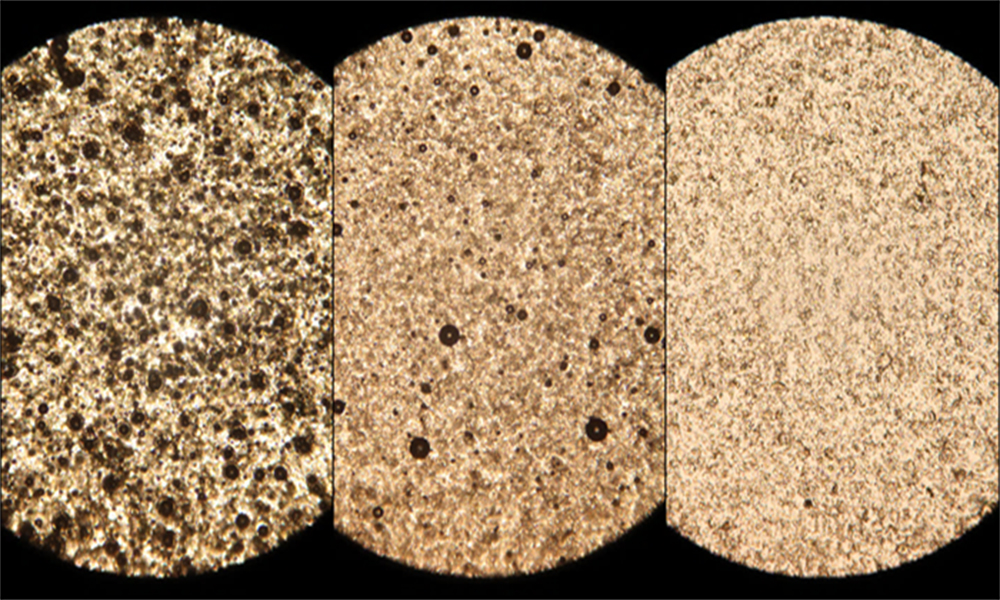
Tannin, an organic substance present in some seeds, barks, and other plant tissues, could hold the key to more sustainable and eco-friendly plastics manufacturing.
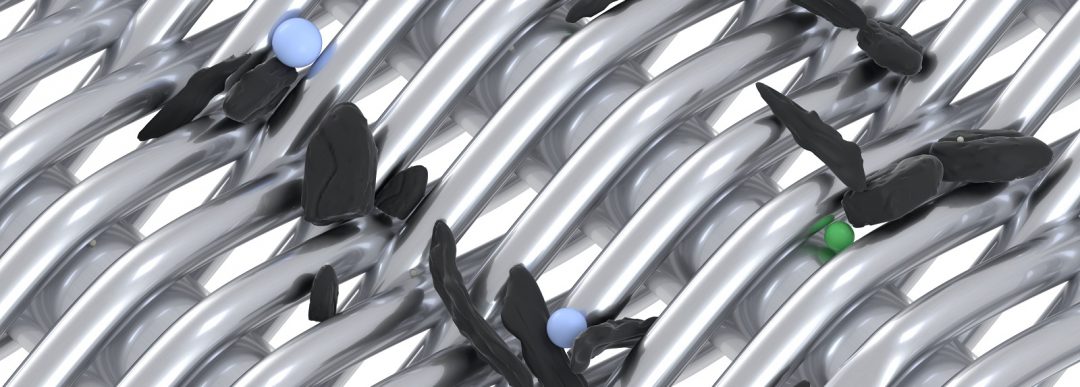
GKD introduced an optimized dutch weave for use in sewage plants that reliably retains microplastics >6 µm thanks to its slot-shaped pore geometry.

A pinch of salt can be used to drastically improve the performance of batteries.

This month’s Advanced Engineering Materials covers and top papers!

There are new top review papers in Advanced Materials Interfaces “Hall of Fame”. All included papers are free to read for a limited time!
 New theory suggests gravity is not a fundamental force
 Higgs boson may be driving the Universe’s expansion
 Water-powered gadgets may be on the horizon thanks to new evaporation-based energy device
 Scientists discover a new class of antibiotics
 Micron-sized hidden dimensions could solve two of physics’ deepest puzzles
 A new type of dark matter could explain mysterious radiation from the Milky Way’s core