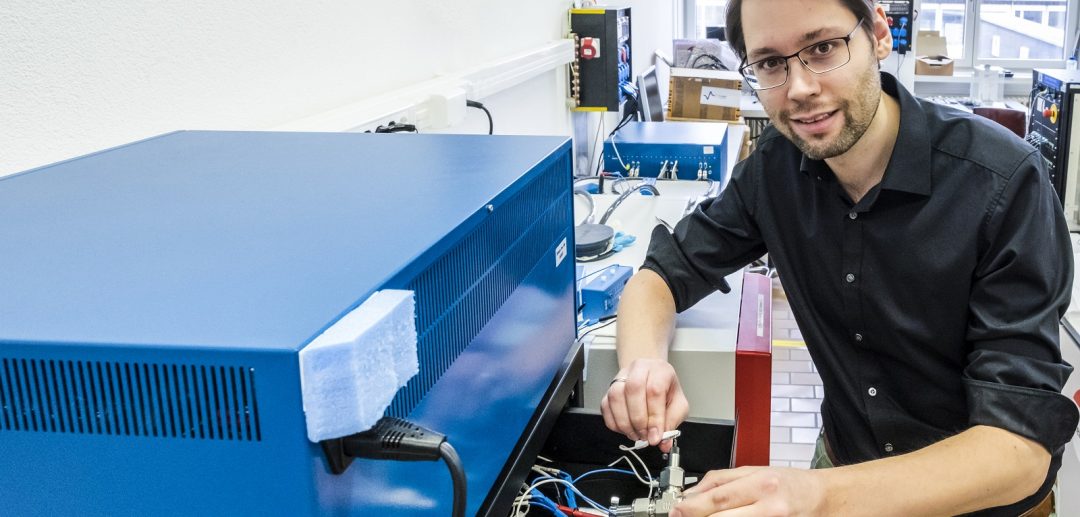
Merck launches joint project together with partners in industry and science to conduct basic research on quantum materials as light sources.


Merck launches joint project together with partners in industry and science to conduct basic research on quantum materials as light sources.
Inexpensive and stable: Water could form the basis for future particularly inexpensive rechargeable batteries.

A novel technology to display information on transparent screens offers new opportunities in next-generation electronics, such as augmented reality devices, smart surgical glasses, and smart windows.
![High-Performance Hybrid Capacitors for Aqueous Electrochemical Energy Storage [Video]](https://www.advancedsciencenews.com/wp-content/uploads/2018/02/aenm201702895_ASN_image2.png)
Researchers from Korea Advanced Institute of Science and Technology (KAIST) introduce an aqueous electrochemical energy storage system based on a polyaniline/rGO anode and NiO/rGO cathode. The system demonstrates ultrafast charging of a flexible wearable kit and light-emitting diode.

Repeatedly bringing a leaf into contact with a plastic sheet makes a useful electic current, which can be used to power various electronic devices.
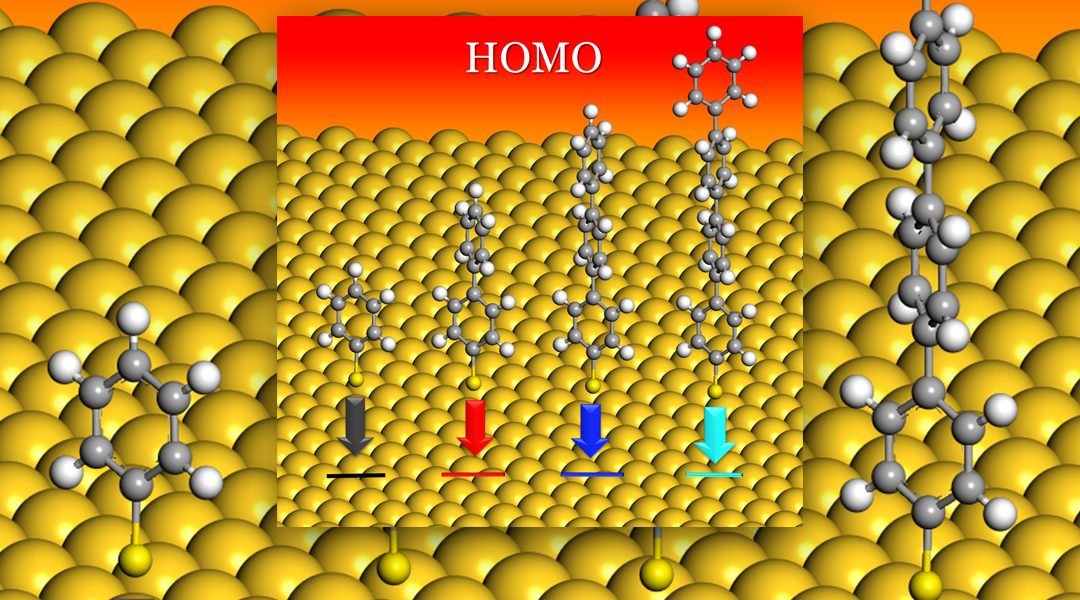
New information about molecular electronics is revealed after conducting DFT simulations.
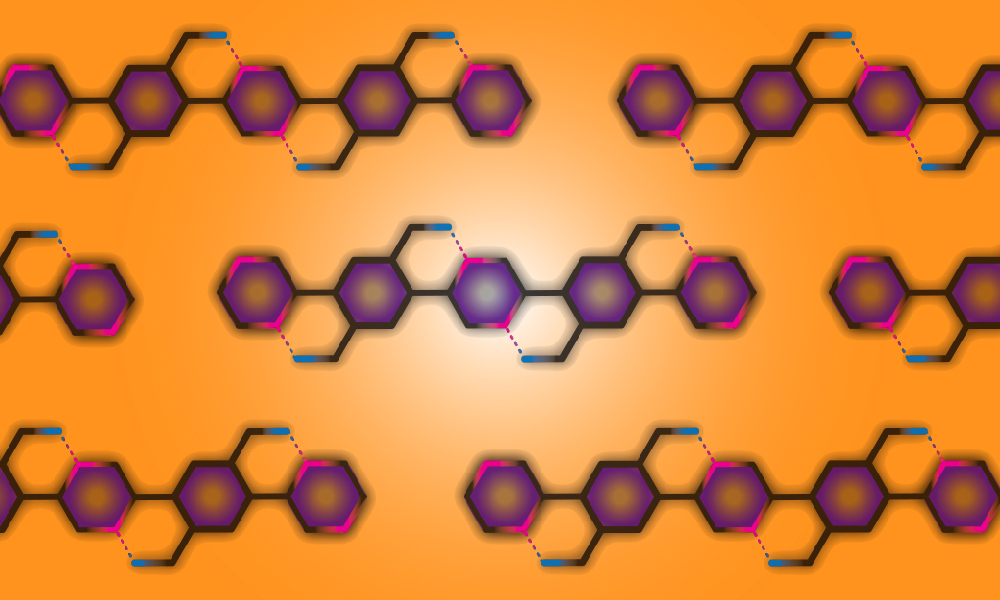
Prof. Lei Fang reviews how co-planar conformation in π-conjugated systems can be locked by using dynamic noncovalent bonds.

Submit your abstract for NANO2018 conference at City University of Hong Kong by 28 February 2018.
![ZIF-Derived Bifunctional Air Electrodes for Rechargeable Zinc–Air Batteries [Video]](https://www.advancedsciencenews.com/wp-content/uploads/2018/02/adfm201705048_ASN_image.png)
A simple, inexpensive, and scalable method is developed to produce cobalt-nanoparticles-encapsulated nitrogen-doped carbon nanotubes (Co-N-CNTs) as bifunctional air electrodes for Zn–air batteries.
![Flexible Nickel–Metal Hydride Batteries [Video]](https://www.advancedsciencenews.com/wp-content/uploads/2018/02/ASN-picture.jpg)
Researchers develop a modified silkscreen printing and electrodeposition technique to fabricate a thin, freestanding nickel matrix for use as a flexible electrode in high-performance nickel–metal hydride (NiMH) batteries.
 New theory suggests gravity is not a fundamental force
 Higgs boson may be driving the Universe’s expansion
 Water-powered gadgets may be on the horizon thanks to new evaporation-based energy device
 Scientists discover a new class of antibiotics
 Micron-sized hidden dimensions could solve two of physics’ deepest puzzles
 Turning Periods into Power: Menstrual Blood a Valuable Resource for Medical Diagnostics