Researchers at the University of Illinois at Urbana-Champaign develop an energy-efficient device for purifying arsenic-contaminated water.
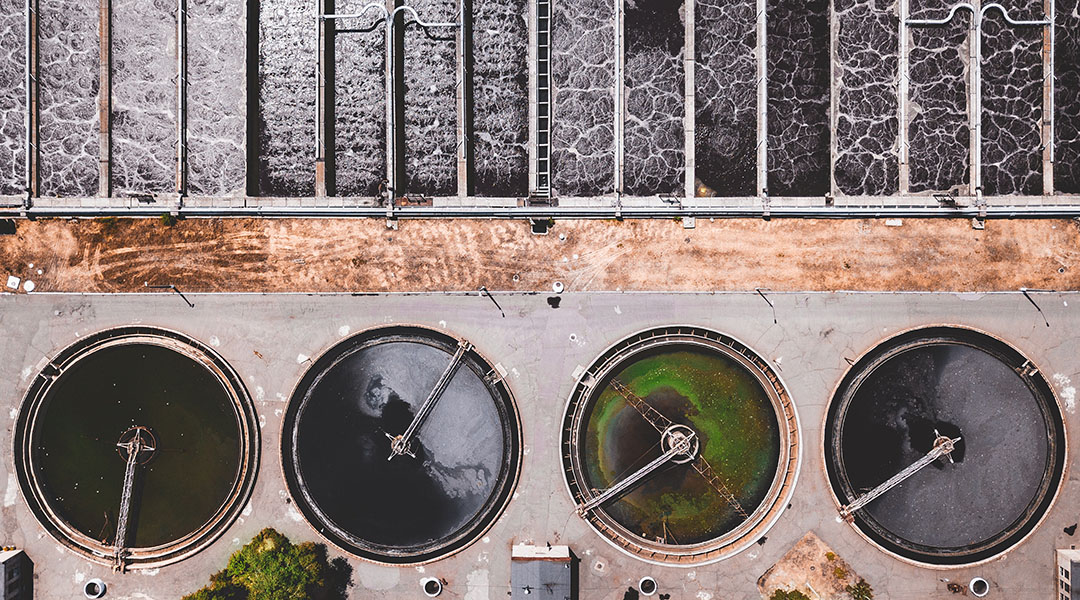

Researchers at the University of Illinois at Urbana-Champaign develop an energy-efficient device for purifying arsenic-contaminated water.

Water-management strategies in past societies tell us about urban resilience and vulnerabilities.
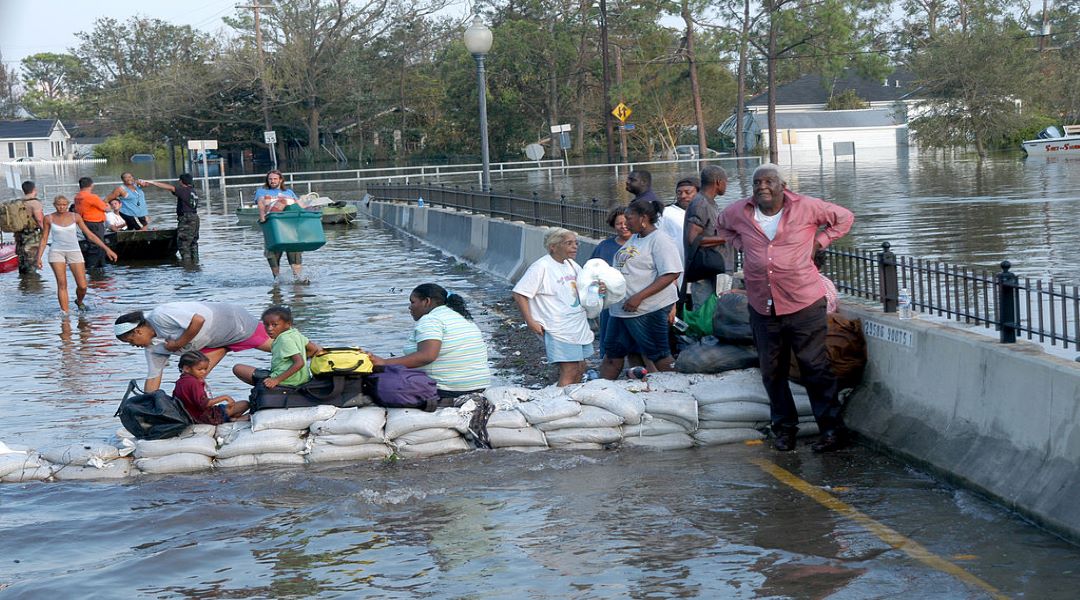
In recent years, extreme weather events caused enormous damage, especially hydro-meteorological hazards such as floods (e.g., 2002 in Central Europe), tsunamis (e.g., 2004 in the Indian Ocean) and hurricanes (e.g., 2005 Hurricane Katrina in the United States). The...
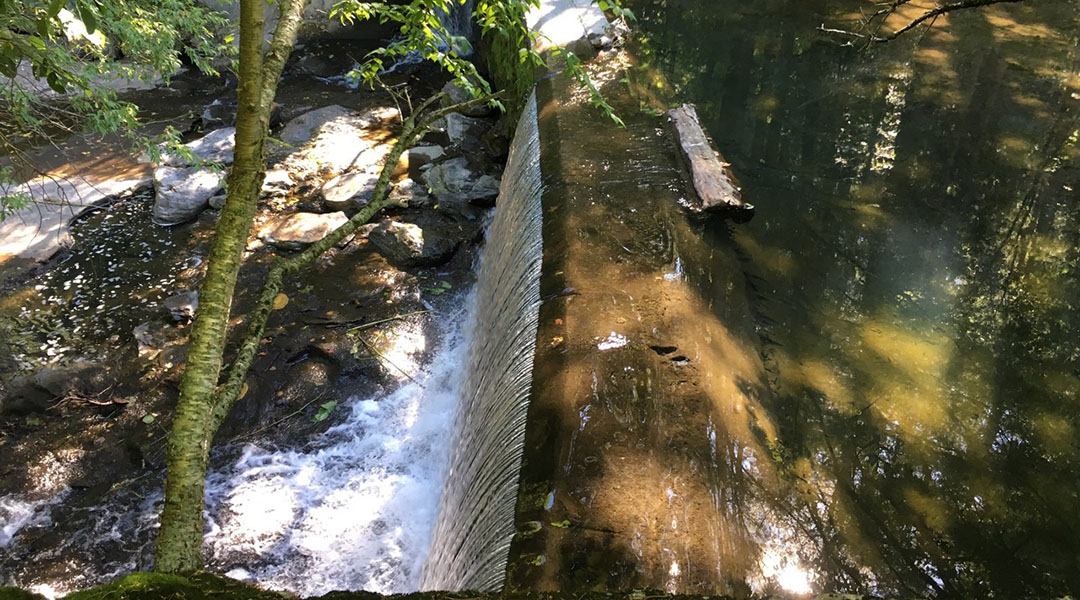
Peter Brewitt and Chelsea Colwyn discuss the legal and policy issues of non-jurisdictional dams

The delicious and nutritious yellow kiwi could be more widely available following a study to improve storage techniques.
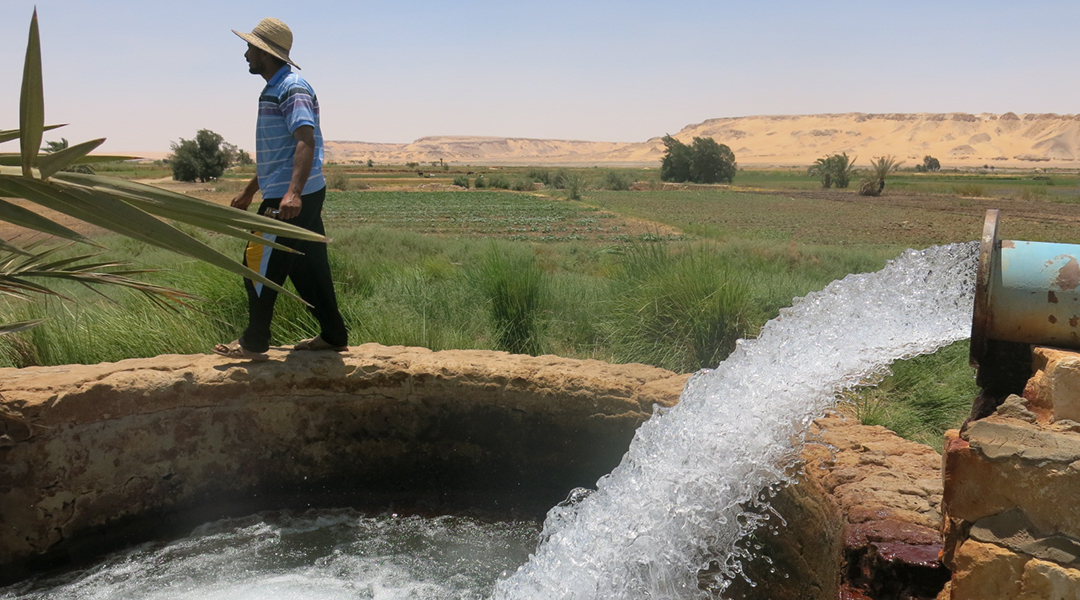
Researchers at the International Water Management Institute put forward a new conceptual thinking to achieve sustainable, socially acceptable, resilient, and equitable resource use.
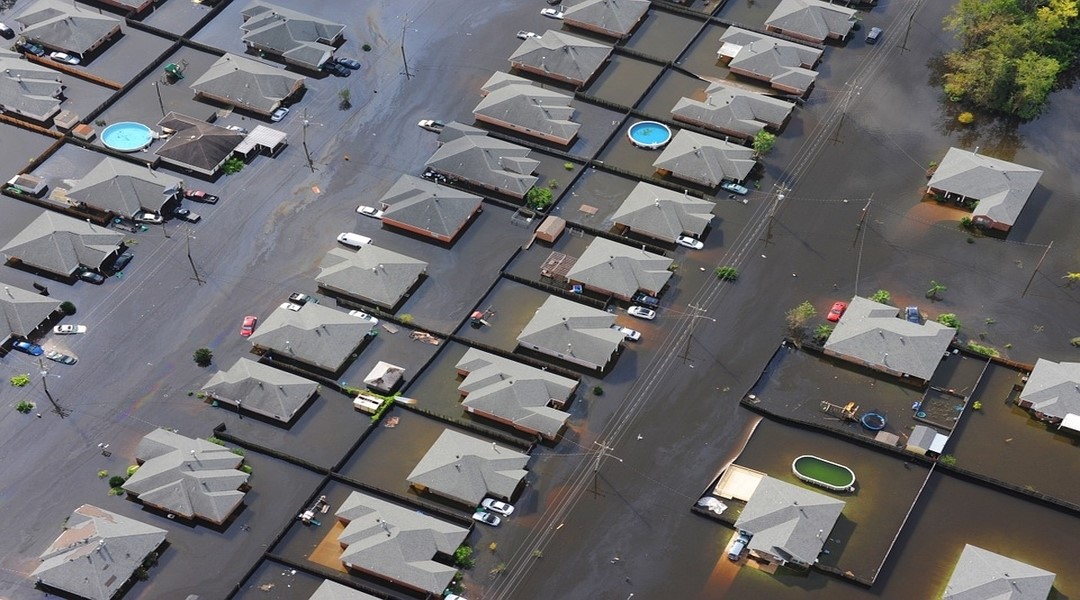
How do we effectively evaluate and employ zoning and building codes in flood prone areas to minimize damage?

Protecting human health should be a priority in climate change mitigation efforts.
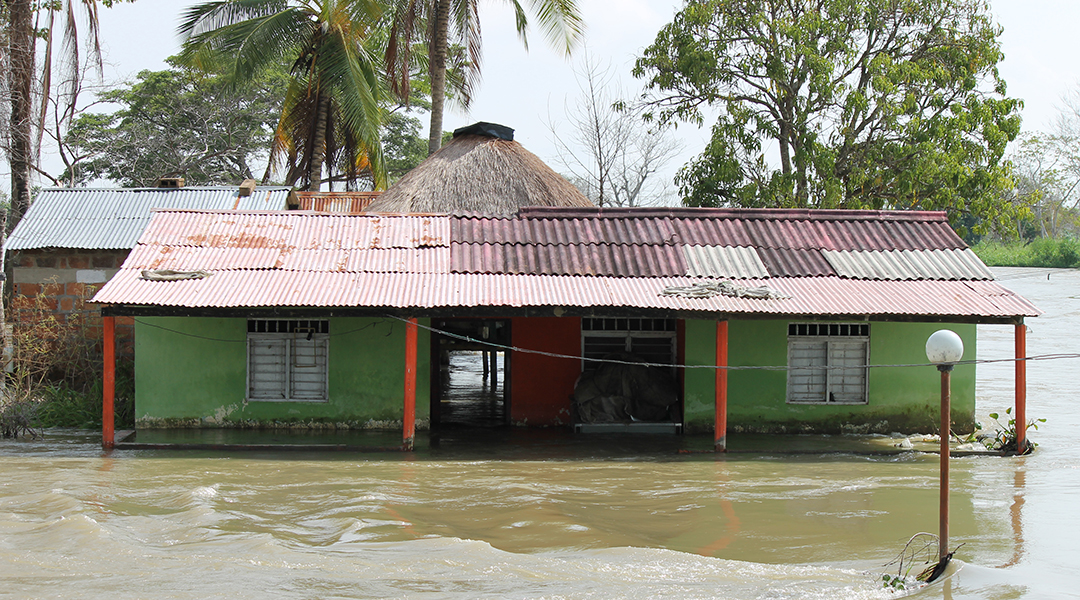
In this opinion piece, researchers analyze a commonly deployed analytical tool used to think about water in the social sciences: the “hydrosocial cycle”.

Irrigators’ decisions to follow best management practices or implement a policy change, to accept a technology, or even to exit farming, all affect society.
 New theory suggests gravity is not a fundamental force
 Higgs boson may be driving the Universe’s expansion
 Water-powered gadgets may be on the horizon thanks to new evaporation-based energy device
 Scientists discover a new class of antibiotics
 Micron-sized hidden dimensions could solve two of physics’ deepest puzzles
 A new type of dark matter could explain mysterious radiation from the Milky Way’s core