Scientists from Canada and Slovakia present an improved mechanistic description of acrylamide polymerization under industrially-relevant conditions
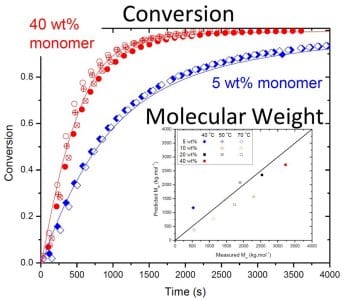

Scientists from Canada and Slovakia present an improved mechanistic description of acrylamide polymerization under industrially-relevant conditions
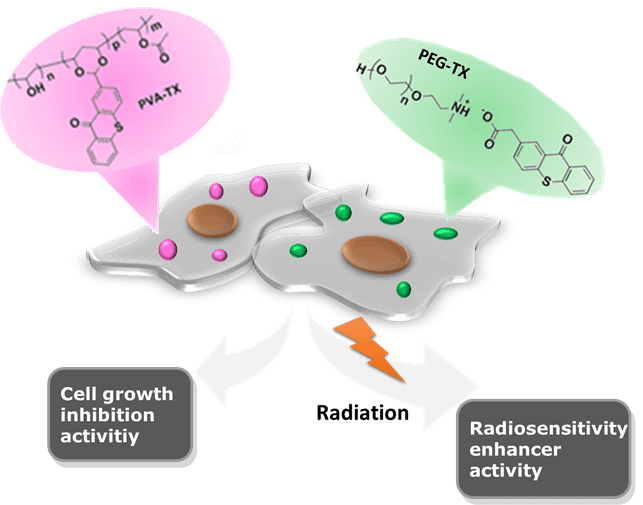
Researchers successfully prepare polymeric thioxanthones, which were shown to be used as potential anticancer and radiotherapy agents.
In a recent issue, Macromolecular Chemistry and Physics published a special section on conducting polymeric materials guest-edited by Søren Hvilsted.
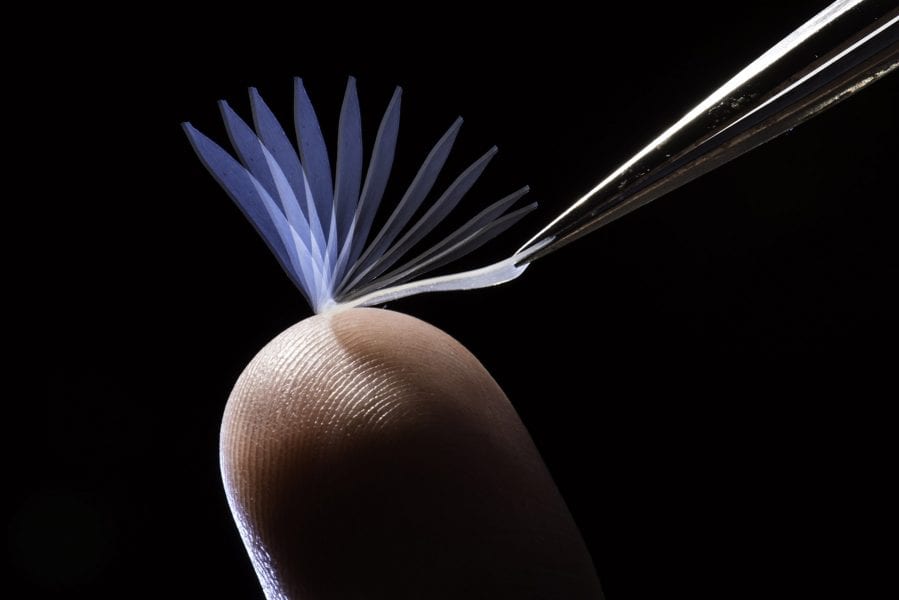
The Journal of Polymer Science Part B: Polymer Physics has published a special issue on shape-memory polymers.
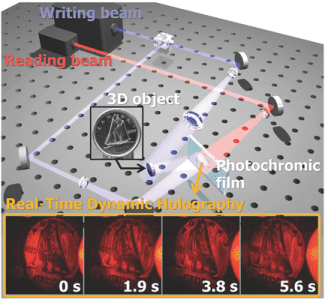
Researchers have achieved the real-time dynamic holographic movie of a 3D object
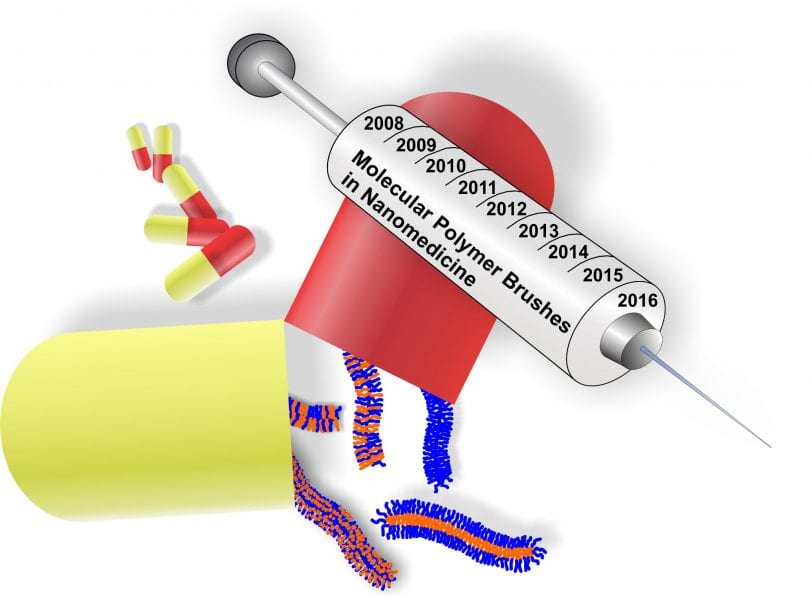
In a recent Talent article, Markus Müllner highlights the diverse applications of molecular polymer brushes in nanomedicine.
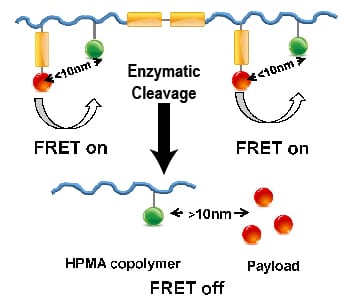
A new generation of enzyme-responsive HPMA copolymer-drug conjugates employing a enzyme-sensitive oligopeptide linker was developed. Fluorescence resonance energy transfer (FRET) was applied to investigate the enzyme-responsive performance in both cells and animals.

New triblock copolymer micelles undergo controllable morphological changes from rod-like to toroidal.
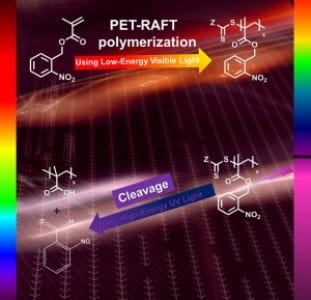
Using light to mediate the polymerization offers unique advantages over conventional polymerization methods.
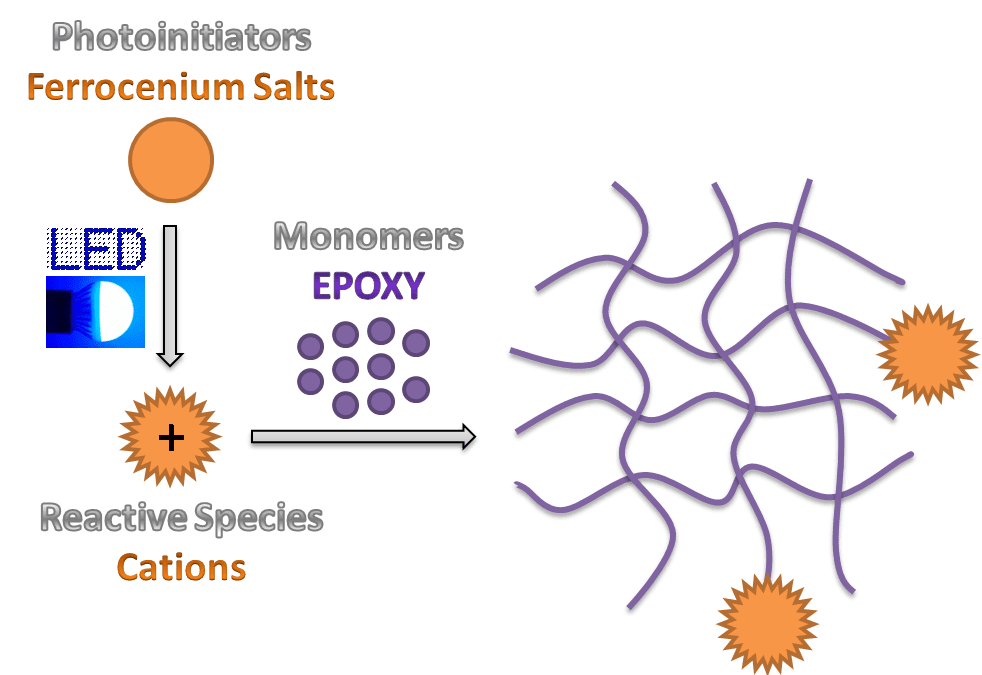
There are many economic, environmental and production benefits related to using light as a trigger for processes.
 New theory suggests gravity is not a fundamental force
 Higgs boson may be driving the Universe’s expansion
 Water-powered gadgets may be on the horizon thanks to new evaporation-based energy device
 Scientists discover a new class of antibiotics
 Micron-sized hidden dimensions could solve two of physics’ deepest puzzles
 A new type of dark matter could explain mysterious radiation from the Milky Way’s core