A polymetallodrug that overcomes the side effects of conventional anticancer phototherapy has been synthesized.
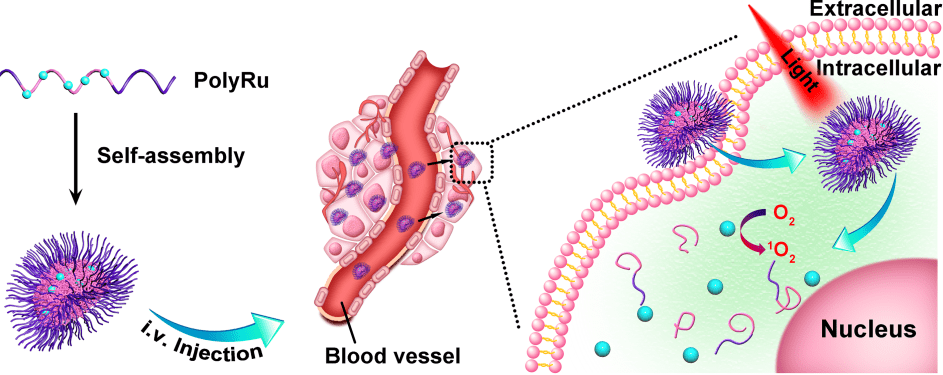

A polymetallodrug that overcomes the side effects of conventional anticancer phototherapy has been synthesized.
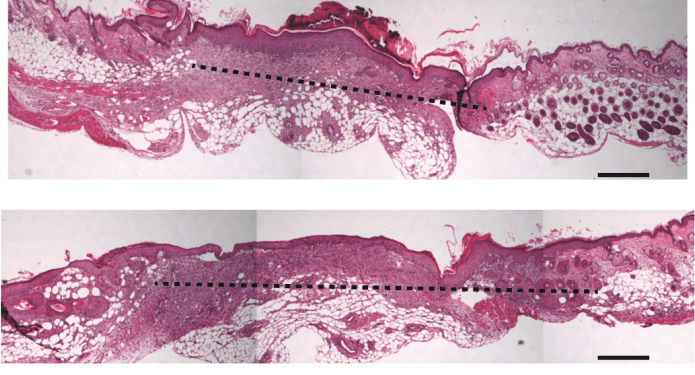
Researchers from the University of South Australia reveal how they use non-toxic porous silicon nanoparticles (pSi NPs) for the controlled release of FnAb to diabetic wounds.
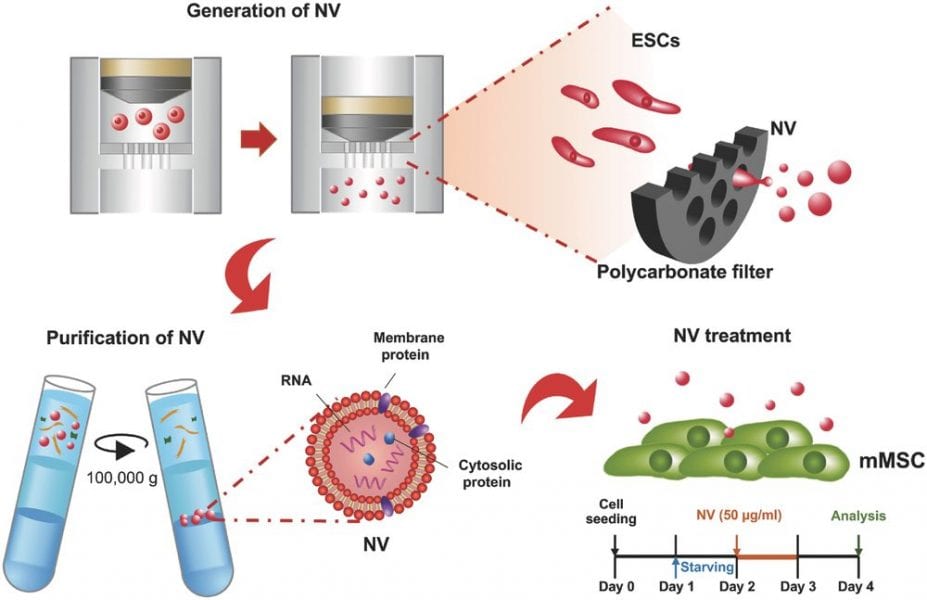
“Man-made” extracellular vesicle-mimetic nanovesicles developed with characteristics similar to those of extracellular vesicles.
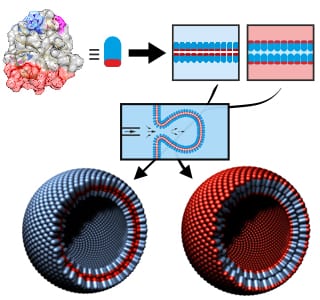
Professor Seemann and his colleagues discovered how bilayers made purely from hydrophobins were created using a microfluidic technique.

A recent report explores the pro- or anti-inflammatory effects of caffeine to gain a better understanding of the potential effects of coffee consumption on inflammation.
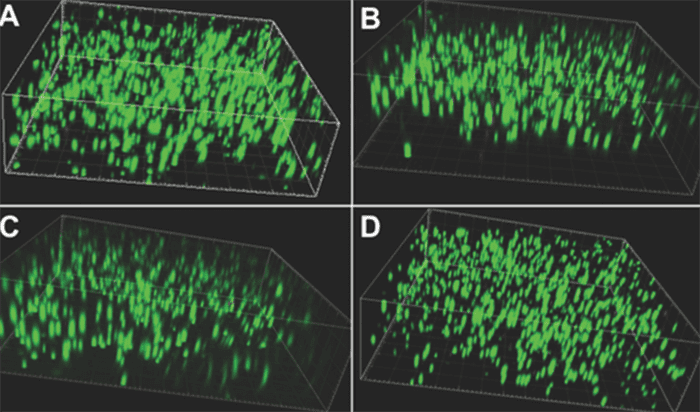
Researchers report the first example of a hydrogel for wound healing with both rapid self-healing ability and high mechanical strength.
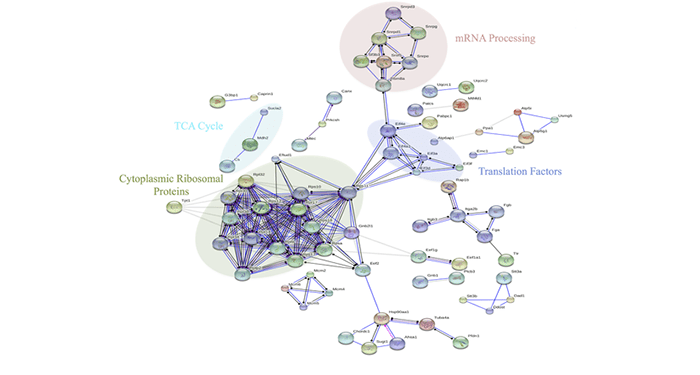
Surgical injury induces a system stress response which is associated with an over-activation of the innate immune response and a subsequent immunosuppression in the early post-operative period.
A methacrylated hyaluronic acid scaffold with oriented pores perpendicular to the axial direction by an unidirectional freeze-drying method is reported.
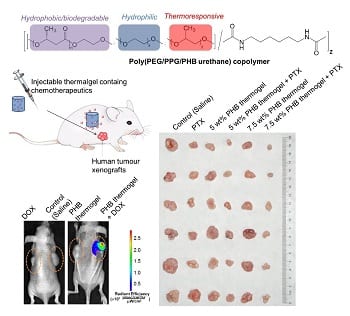
Recently, Dr. Wu and Dr. Loh have designed a biocompatible and injectable hydrogel based on thermogelling copolymer.
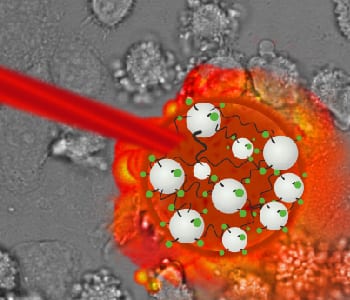
Marcelo Calderón and co-workers report on the design of a responsive nanogel system for a combined photothermal and photodynamic therapy of cancer. Based on a radical precipitation method, the near infrared absorbing cyanine green dye IR806 was conjugated to the macro crosslinker polyglycerol and polymerized into a thermoresponsive polyether based nanogel network.
 New theory suggests gravity is not a fundamental force
 Higgs boson may be driving the Universe’s expansion
 Water-powered gadgets may be on the horizon thanks to new evaporation-based energy device
 Scientists discover a new class of antibiotics
 Micron-sized hidden dimensions could solve two of physics’ deepest puzzles
 A new type of dark matter could explain mysterious radiation from the Milky Way’s core