Novel fluorescent technology targets urinary tract infections by enabling early, real-time detection of E. coli bacteria in catheter bags.
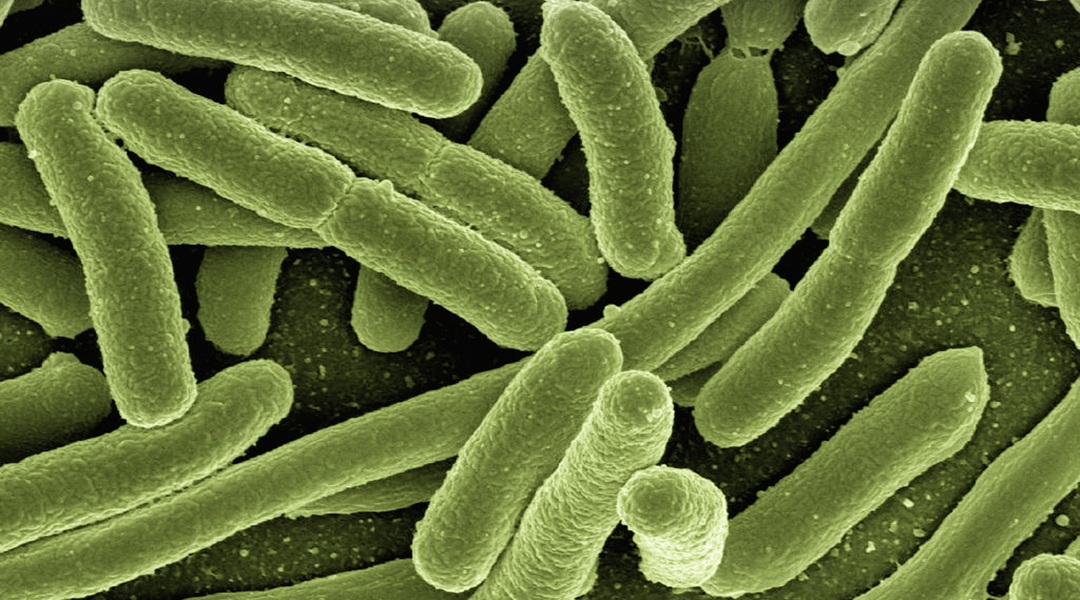

Novel fluorescent technology targets urinary tract infections by enabling early, real-time detection of E. coli bacteria in catheter bags.
Individual components of lipid nanoparticles are examined to understand how they interact with cells.
Using cold plasma, researchers are targeting the hair follicle microenvironment to encourage hair regrowth.
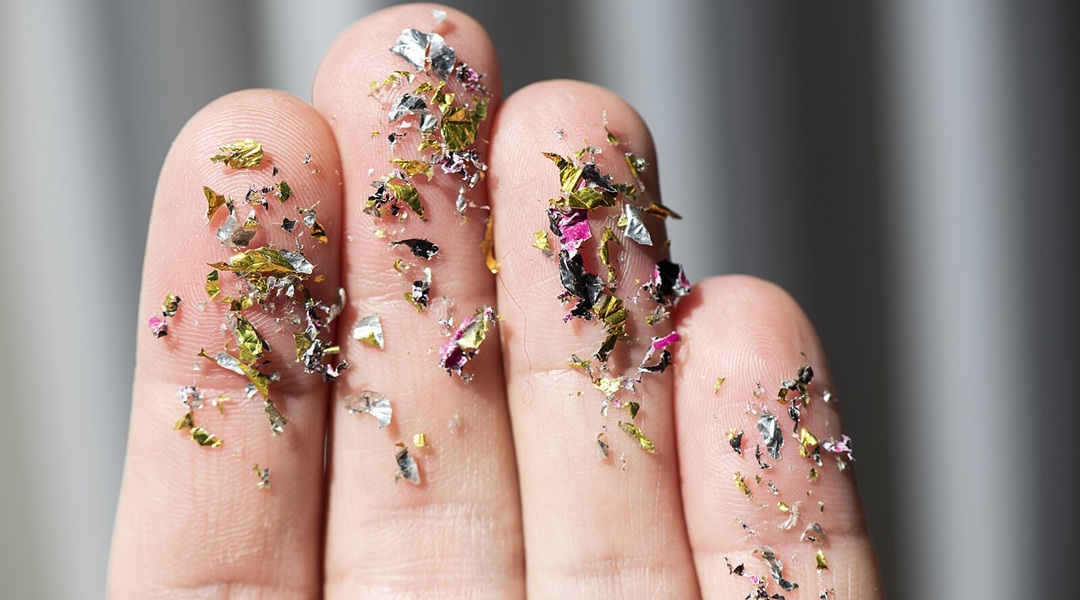
For the first time, scientists have detected microplastics in cancerous gastric tissue.
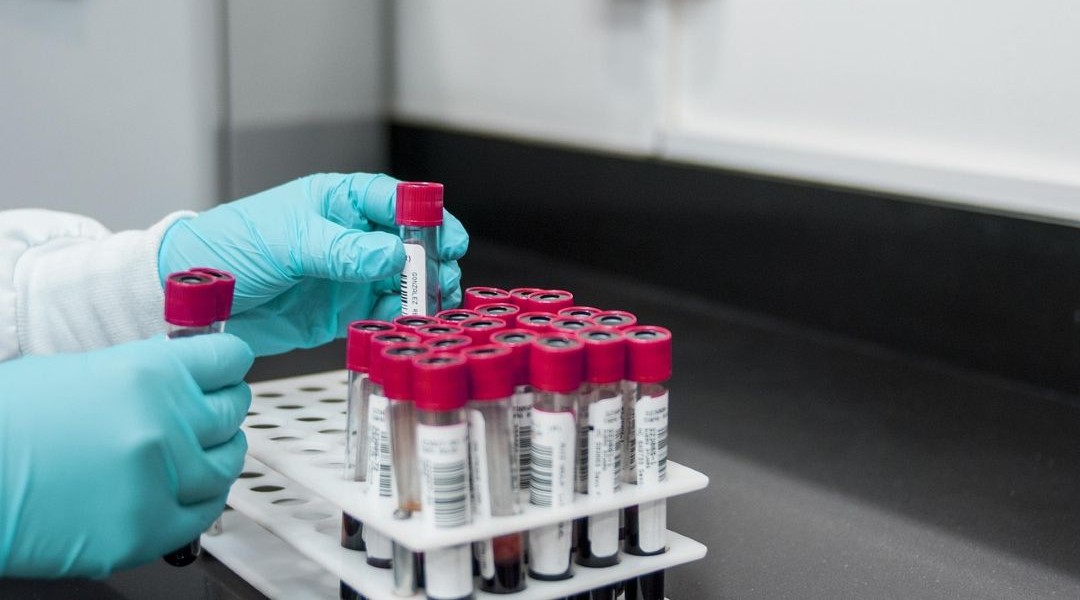
Yearly screening with multi-cancer blood tests could nearly halve late-stage diagnoses.
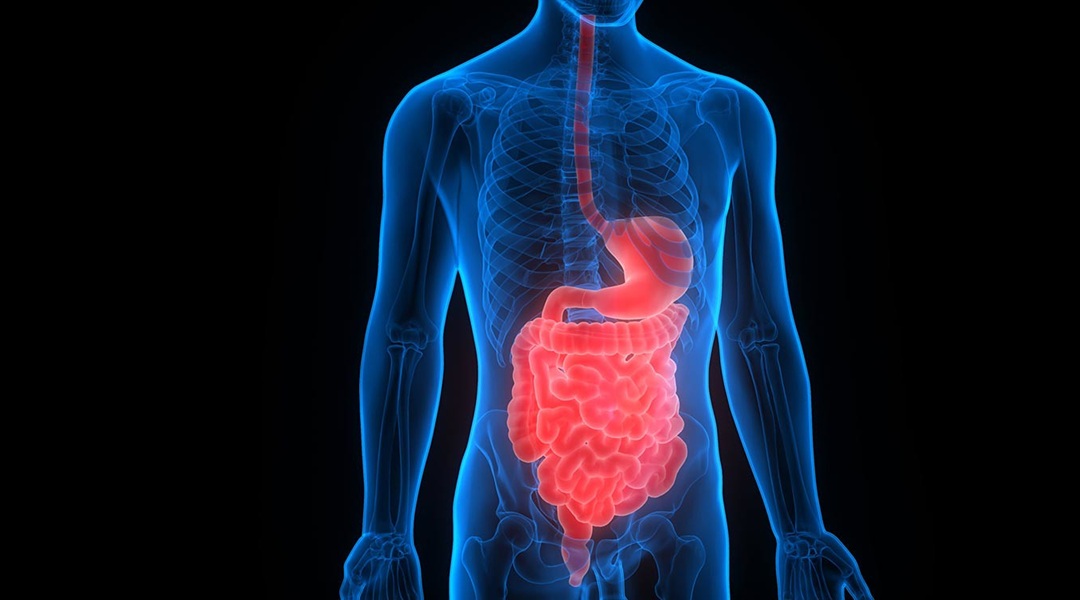
Traditional Chinese medicine inspires research into the benefits of honeysuckle for reducing inflammation and correcting gut bacteria imbalance in inflammatory bowel disease.
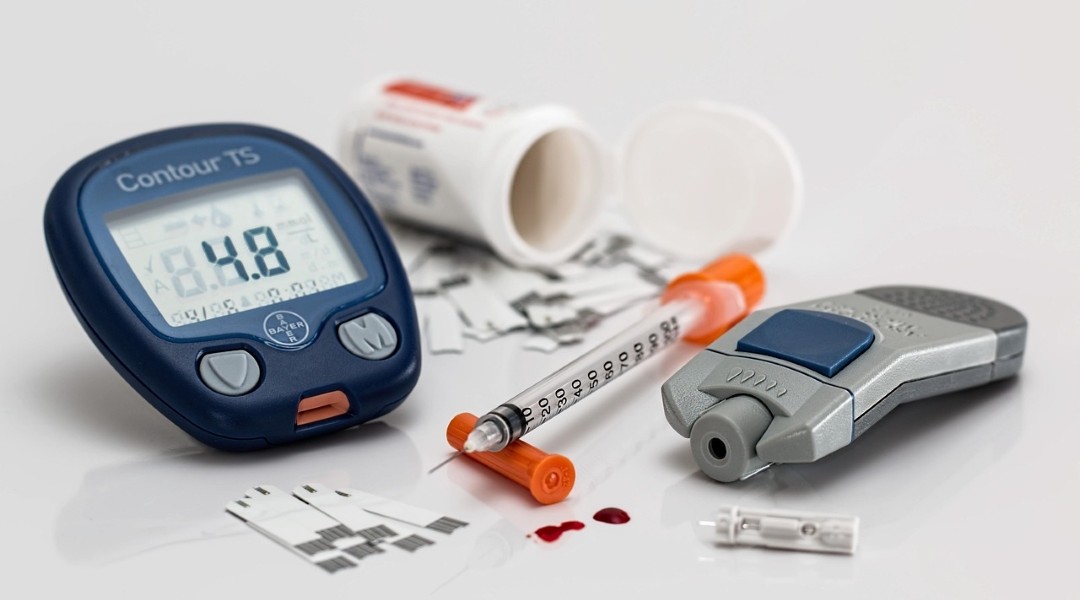
New technology could make diabetes management more accessible to those who need it most.
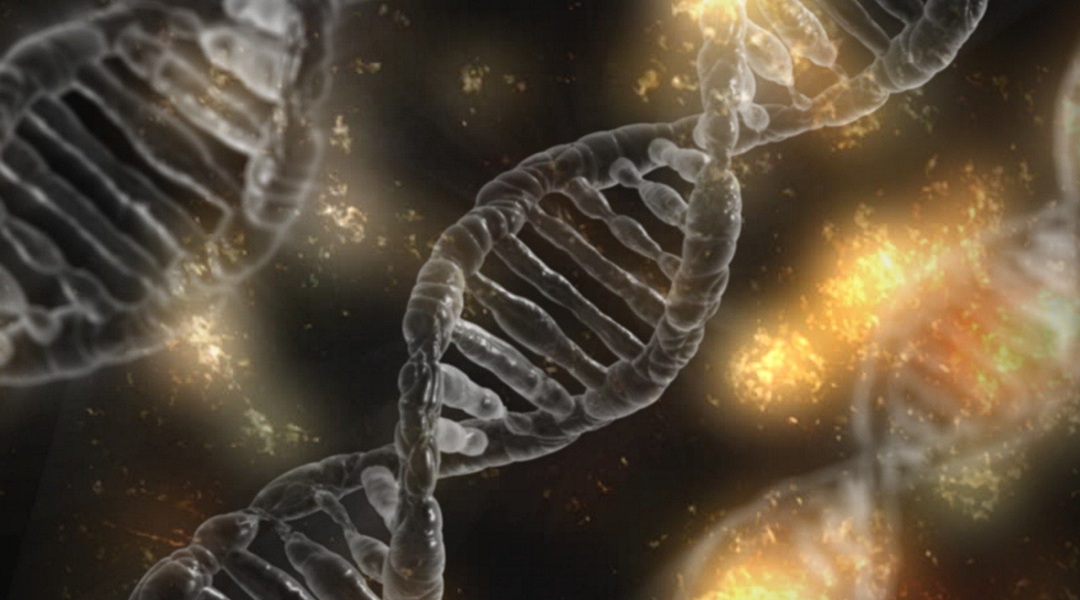
Previously overlooked non-canonical splicing variants are shown to lead to aberrant mRNA splicing in male infertility cases.
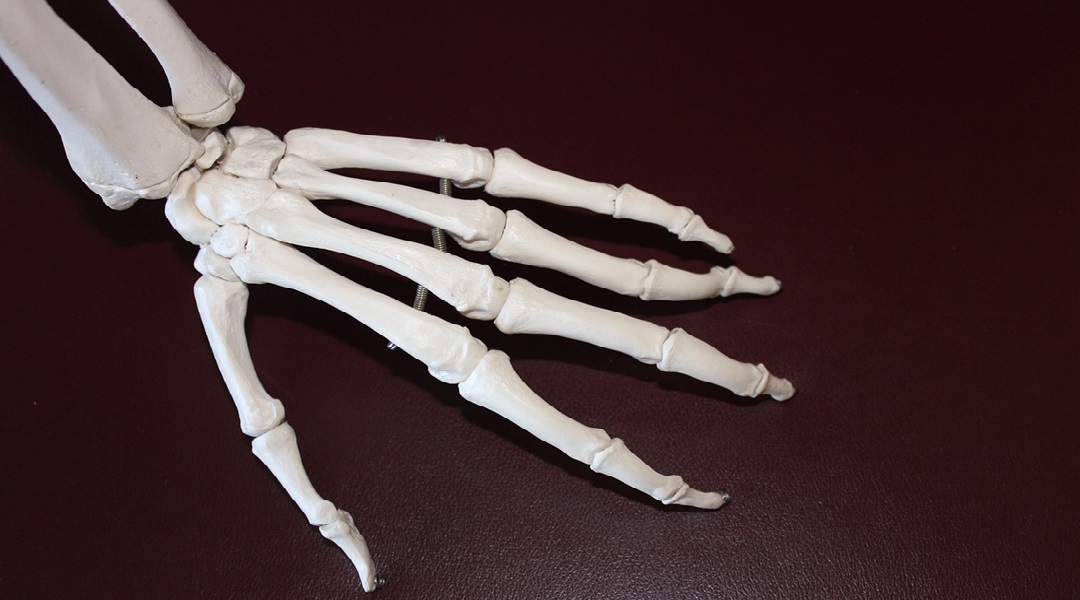
New 3D printed scaffolds more accurately mimic the structure and behaviour of natural bone.
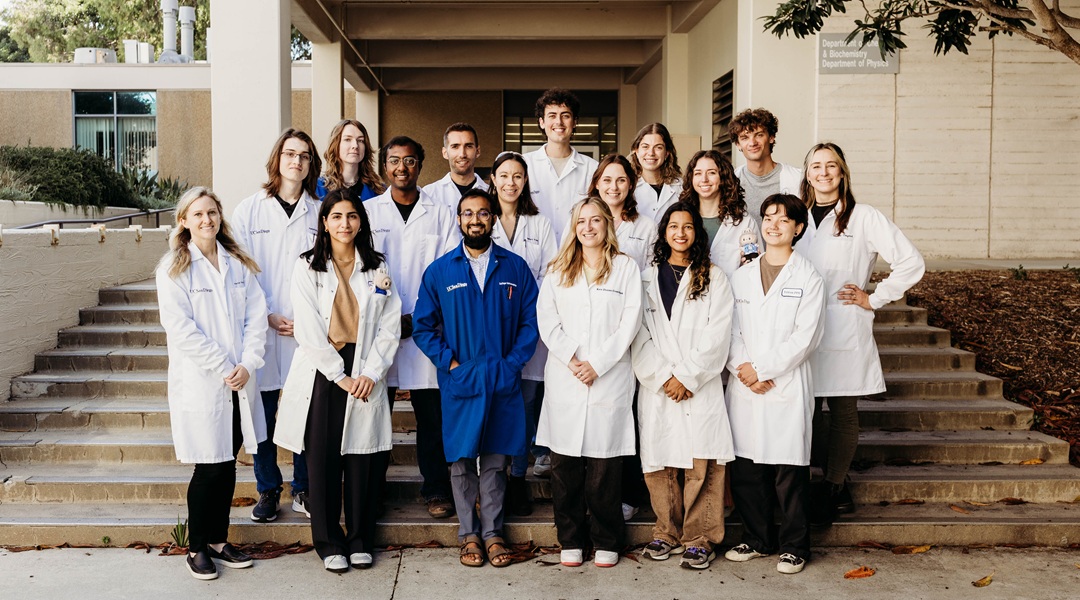
Young Innovator Awardee for 2025, Komor leads a group at UCSD developing precision genome editing methods using chemical biology.
 New theory suggests gravity is not a fundamental force
 Higgs boson may be driving the Universe’s expansion
 Water-powered gadgets may be on the horizon thanks to new evaporation-based energy device
 Scientists discover a new class of antibiotics
 Micron-sized hidden dimensions could solve two of physics’ deepest puzzles
 A new type of dark matter could explain mysterious radiation from the Milky Way’s core