New technique uses waste metal shavings to catalyze hydrogen production, turning nothing but trash and water into clean, renewable fuel.
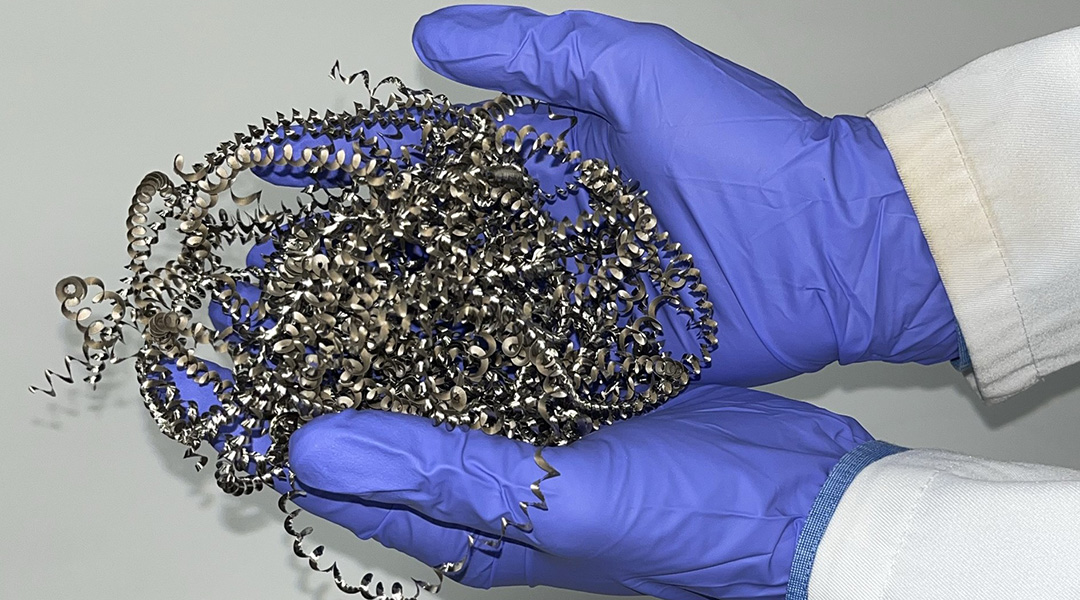

New technique uses waste metal shavings to catalyze hydrogen production, turning nothing but trash and water into clean, renewable fuel.
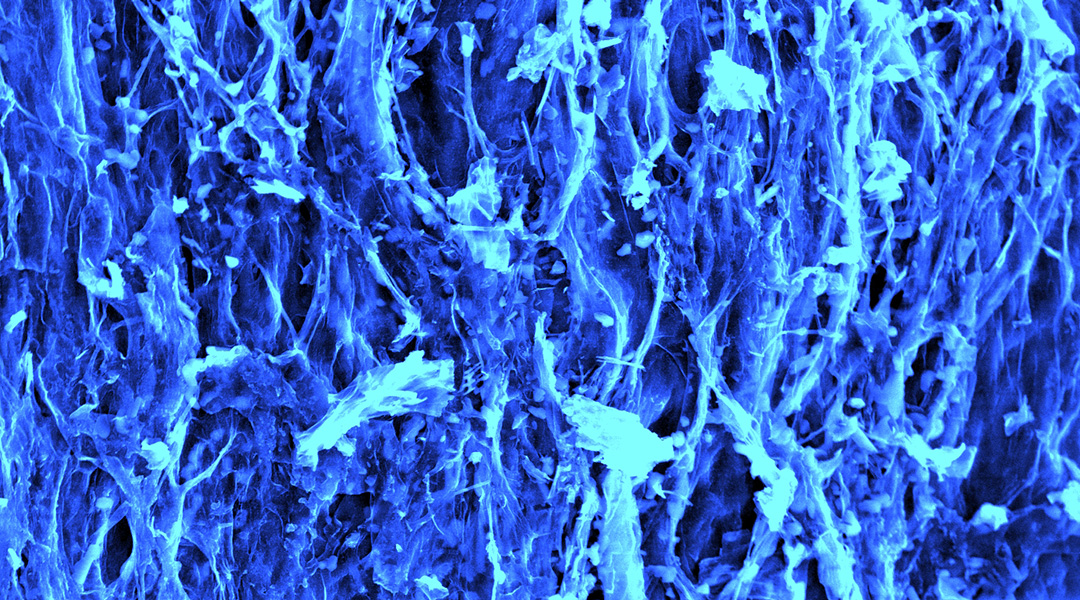
Scientists are using carbon filaments from mushrooms in supercapacitors, paving the way for a sustainable energy future.

A material derived from avocado pruning waste and bio-polyethylene combines high strength with biodegradability.
A genetically engineered strain of yeast is reducing the amount of carbon dioxide produced during the production of ethanol biofuels.
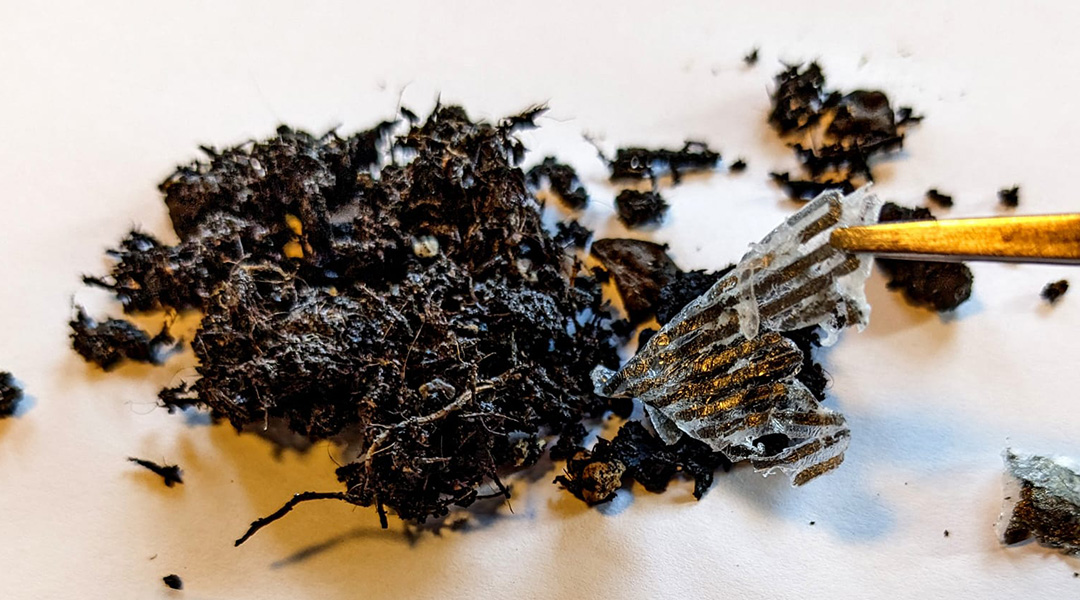
Discover how cellulose may revolutionize flexible electronics, replacing plastics in eco-friendly, sustainable substrates for innovative devices.

A liquid metal encapsulated within bio-based shells allows researchers to “draw” functioning electronic circuits with ease.

Autonomous materials laboratories and the research communities that build them will be crucial to achieving our climate goals.

Scientists convert waste coffee husks into cellulose fibers and films with potential applications in textiles and biodegradable products.

This cost-effective solar evaporation device could supplant lengthy and expensive filtration systems normally used in wastewater treatment.

A textured film maximizes sunlight by generating an increased amount of red light, reducing the costs of algae production on a significant scale.
 New theory suggests gravity is not a fundamental force
 Higgs boson may be driving the Universe’s expansion
 Water-powered gadgets may be on the horizon thanks to new evaporation-based energy device
 Scientists discover a new class of antibiotics
 Micron-sized hidden dimensions could solve two of physics’ deepest puzzles
 A new type of dark matter could explain mysterious radiation from the Milky Way’s core