After fires strip away vegetation, common Mediterranean lizards rapidly shift color to reflect heat, darkening again once the landscape recovers.


After fires strip away vegetation, common Mediterranean lizards rapidly shift color to reflect heat, darkening again once the landscape recovers.

Kombucha fermentation generates a byproduct perfect for the creation of mechanically stable, biodegradable electronic components.
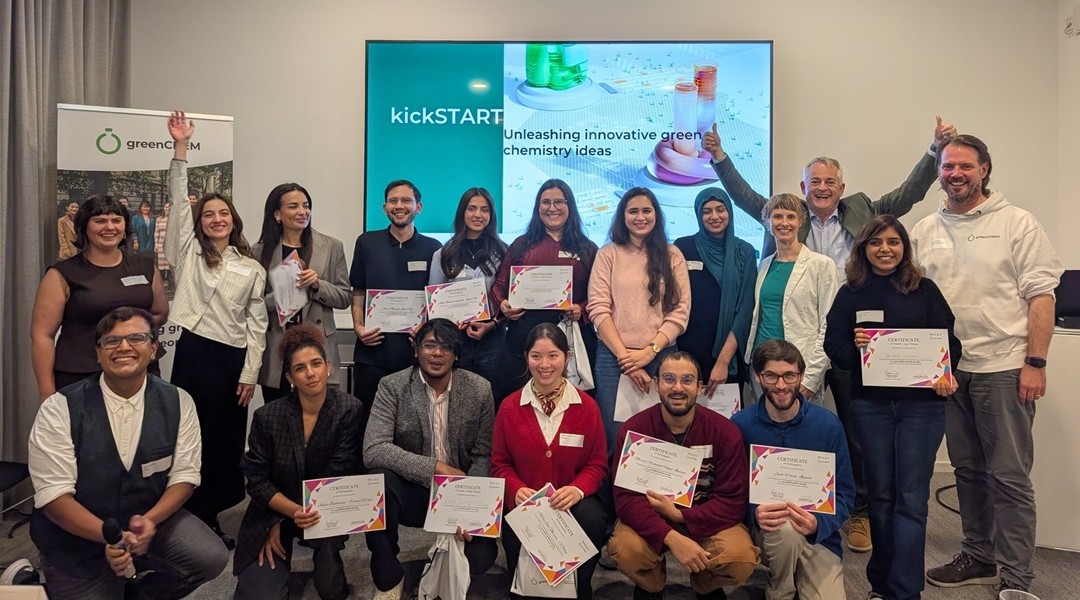
Young researchers promote the importance and industrial potential of green chemistry via the kickSTART project.
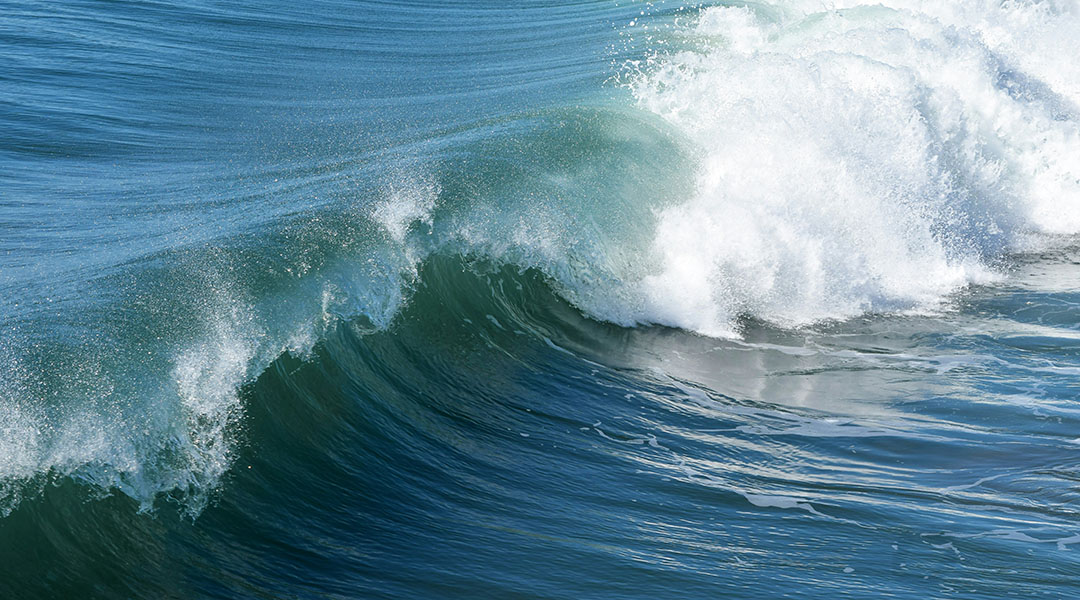
A sand-like material can be extracted from seawater by adding carbon dioxide, potentially making the building industry more sustainable.
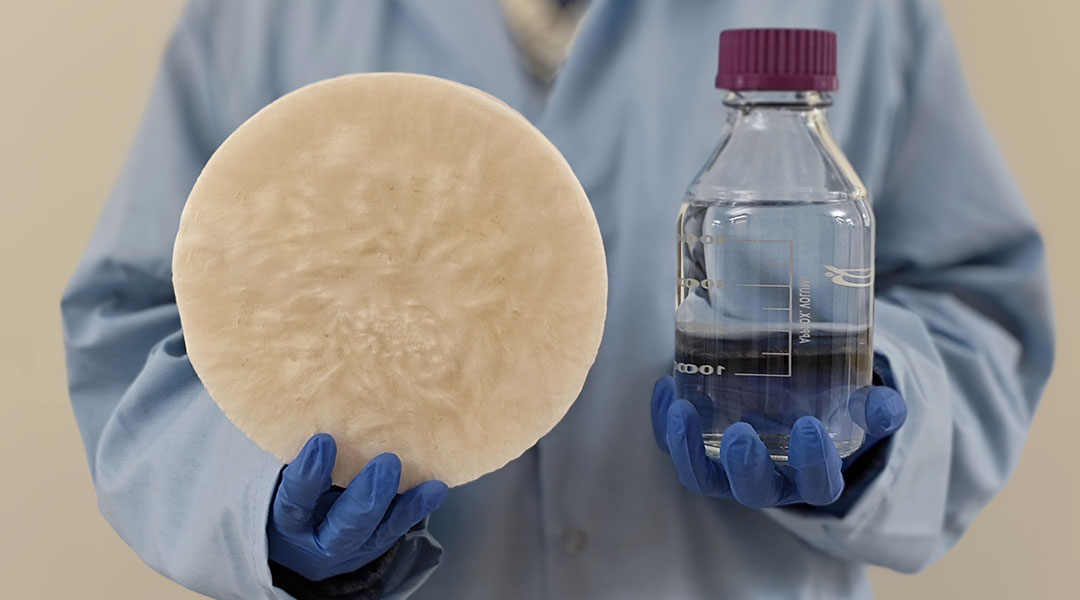
A new hydrogel extracts water from the air, offering a sustainable alternative to bottled water and addressing global water shortages.

Scientists have developed a process to recycle carbon fiber into valuable chemicals with the help of fungi.
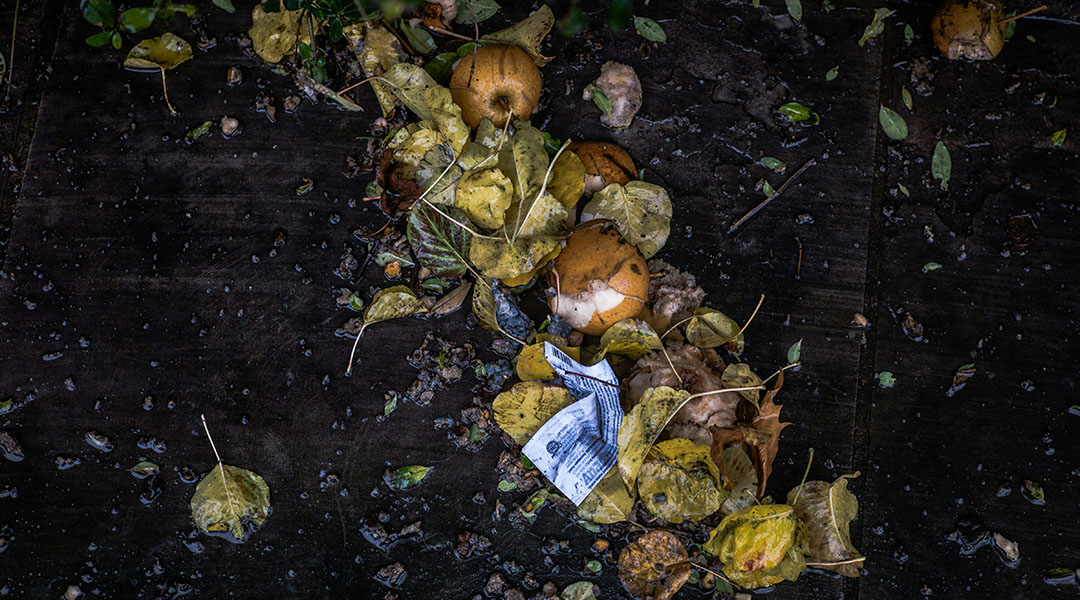
In the future, small electronics could be powered by fallen leaves, shed fur, and other waste materials found in nature.
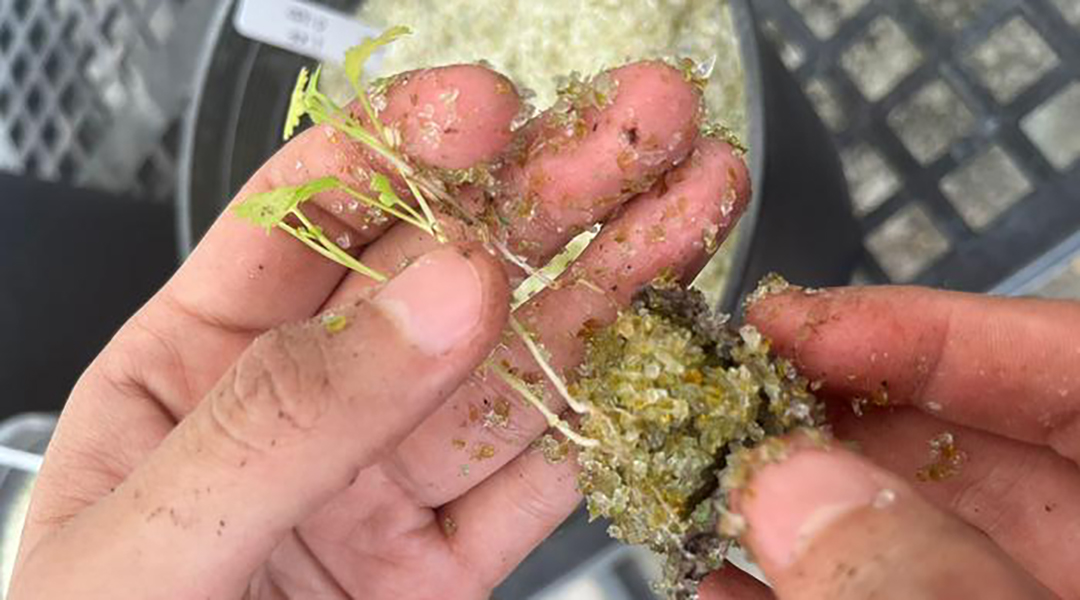
Pilot study explores how recycled glass is being used to grow salsa ingredients, protect coastlines, and safeguard the future of farming.
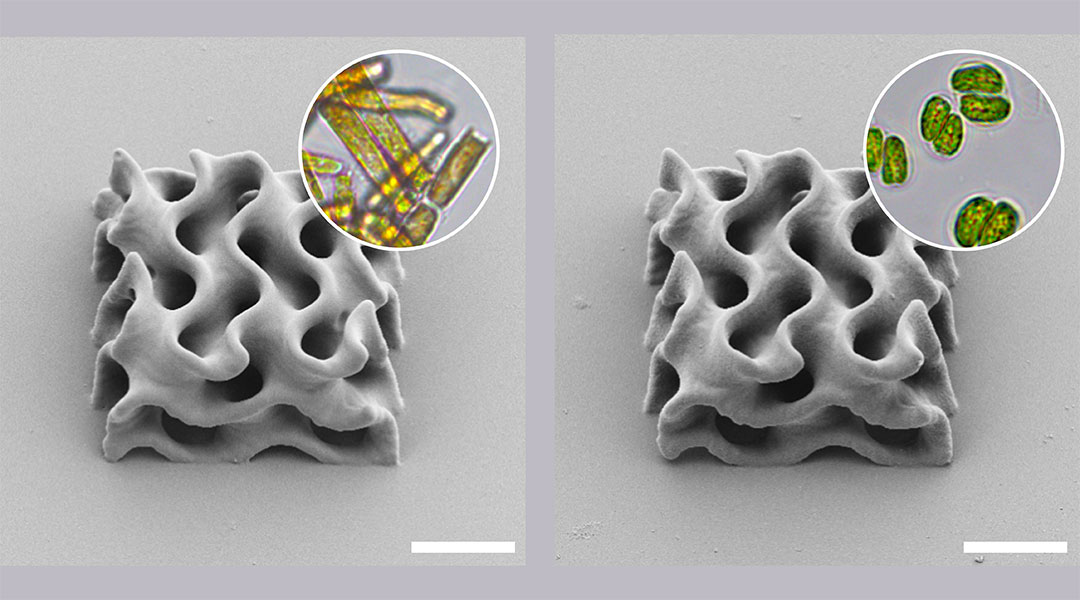
A search for environmentally friendly inks led researchers to microalgae biofactories, providing a renewable biomass solution.
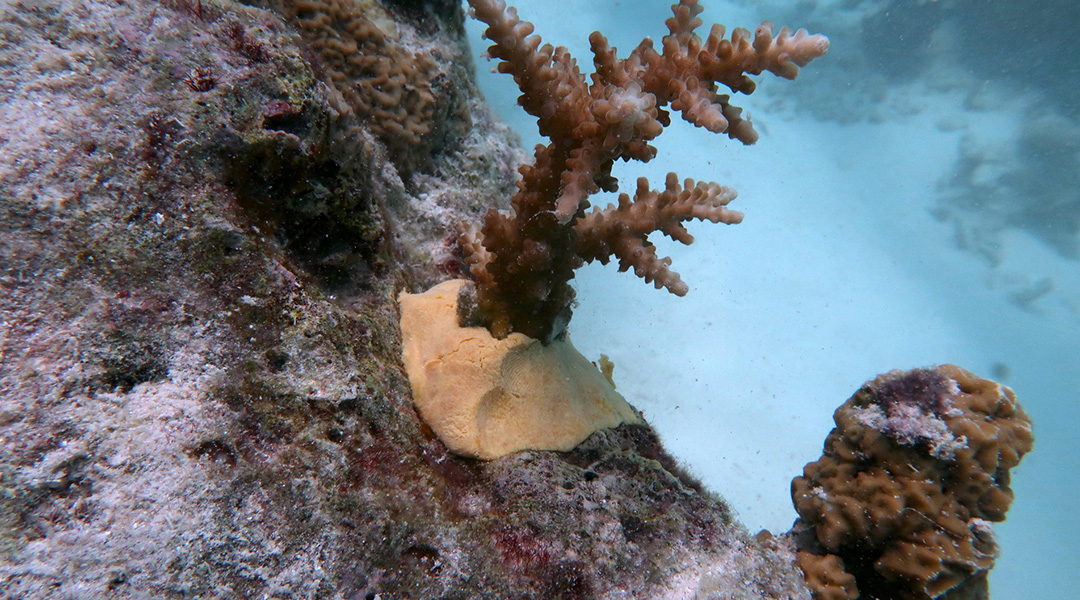
This ocean-safe putty was designed to help seed new coral reefs, offering a much-needed replacement for hardware store products.
 New theory suggests gravity is not a fundamental force
 Higgs boson may be driving the Universe’s expansion
 Water-powered gadgets may be on the horizon thanks to new evaporation-based energy device
 Scientists discover a new class of antibiotics
 Micron-sized hidden dimensions could solve two of physics’ deepest puzzles
 Turning Periods into Power: Menstrual Blood a Valuable Resource for Medical Diagnostics