Polyelectrolyte microcapsules as large as four microns can be ingested by cells, leading to impairment of cell functions.
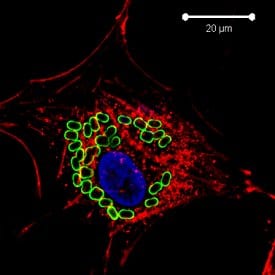

Polyelectrolyte microcapsules as large as four microns can be ingested by cells, leading to impairment of cell functions.
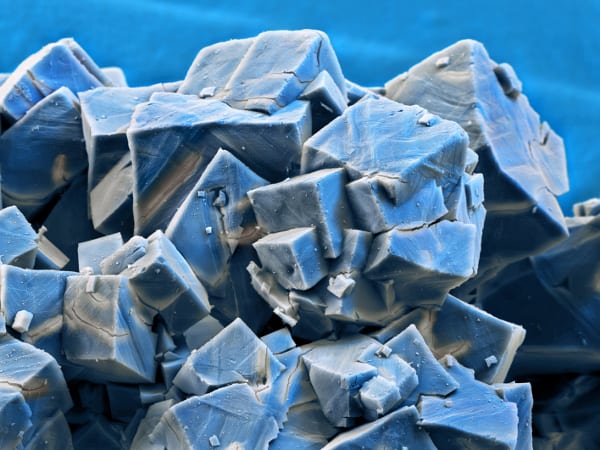
Initiated seven years ago by the two French chemical associations, the award pays tribute to chemical innovations that support sustainable development.

To meet environmental demands and new regulations and standards, Egypt researchers developed a lead-free silicon brass alloy with good machinability and castability.
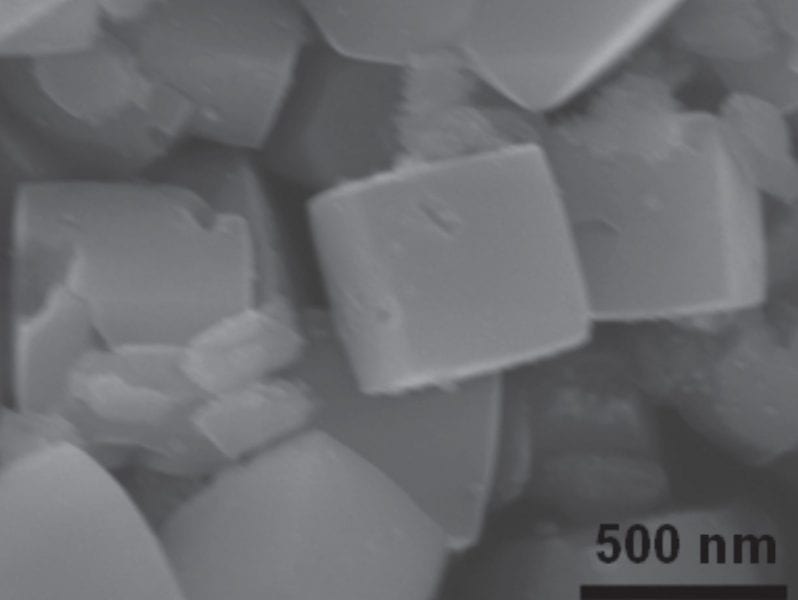
Chinese researchers have developed a new nanomaterial to improve the chemical conversion rate in photocatalytic energy systems.
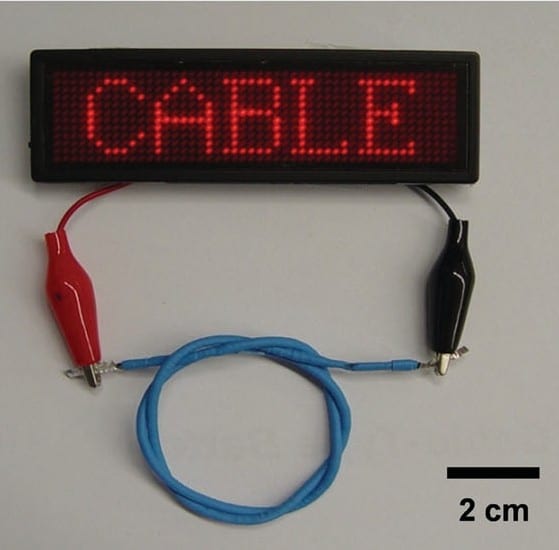
An exceptionally flexible prototype cable-type battery can be used in a variety of shapes towards portable, wearable, and flexible electronics.
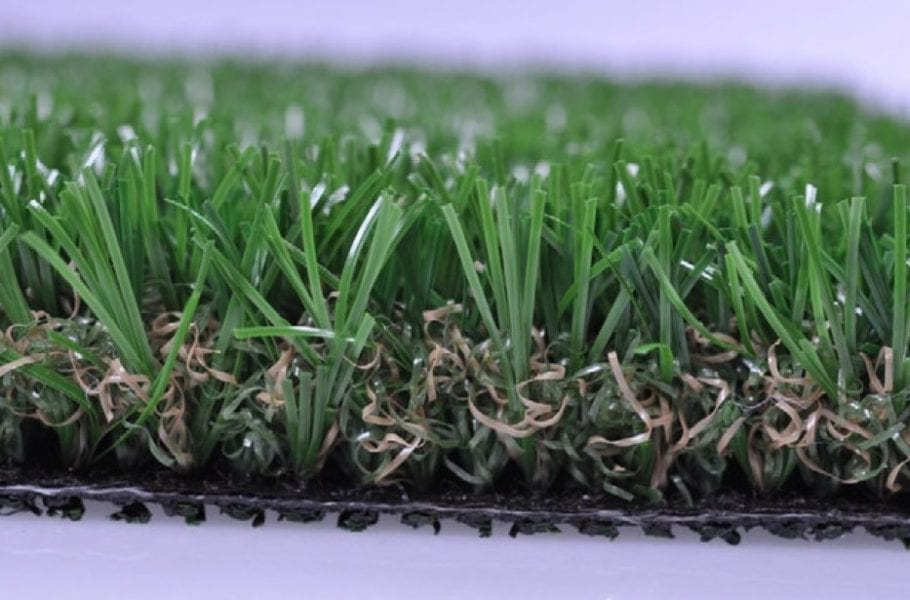
A new generation of artificial turfs offers better skin friendliness and also improved material properties.

Honorary doctoral degree awarded to pss founding editor for accomplishments in photovoltaics.

BASF is investing in the construction of a production plant for specialty zeolites, significantly increasing production capacity for specialty zeolites.

The combination of high-capacity reusable adsorbents and high-surface-area polyethylene fibers creates a material that can rapidly, selectively and economically extract valuable and precious dissolved metals from water.
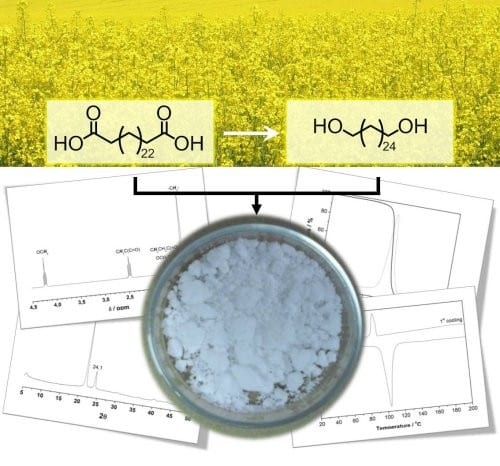
Researchers in Karlsruhe used plant oils to synthesize renewable long-chain aliphatic polyesters using olefin self-metathesis for the monomer synthesis.
 Micron-sized hidden dimensions could solve two of physics’ deepest puzzles
 Turning Periods into Power: Menstrual Blood a Valuable Resource for Medical Diagnostics
 Surfactants Steer Supraparticle Structure
 Bone loss in obesity traced to gut microbiota
 Edible electronics realize safe, complex monitoring devices
 Fermilab Confirms Muon g-2 Measurements