A liquid metal encapsulated within bio-based shells allows researchers to “draw” functioning electronic circuits with ease.


A liquid metal encapsulated within bio-based shells allows researchers to “draw” functioning electronic circuits with ease.

A newly discovered material and its intriguing properties could pave the way for more efficient computing.
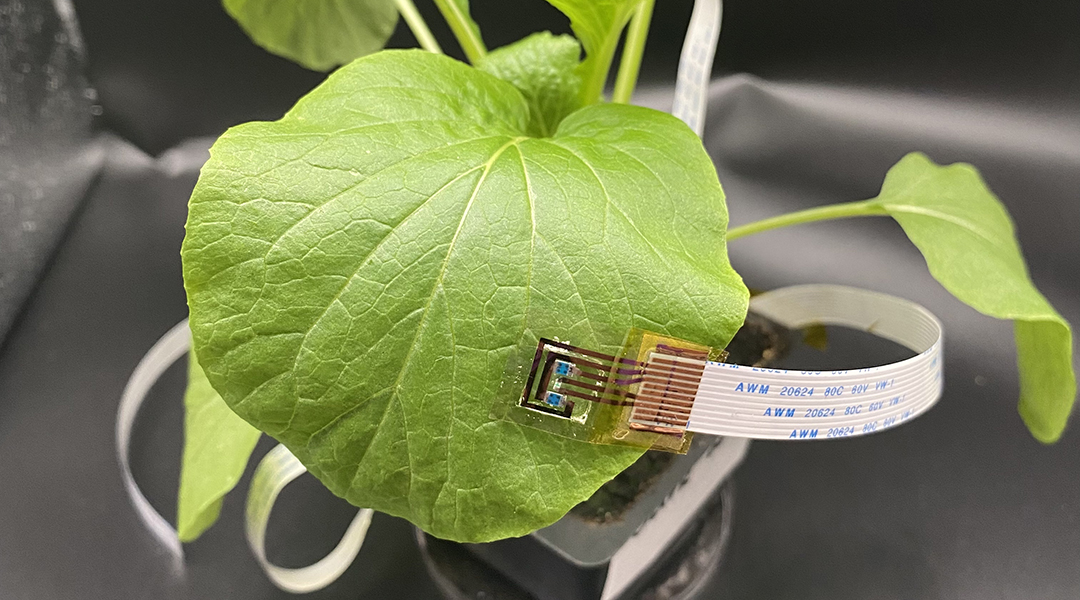
The sensor could improve crop yield by detecting changes in plant chlorophyll levels earlier and more precisely than existing methods.

This nanogenerator built from waste DVDs can generate electricity from gliding droplets of water.

Clouds have scrambled climate models for decades and researchers are doing something about it.

Swarms of iron-clad algae have been built to sweep through bodies of water to collect elusive bits of micro- and nanoplastics.

Through awareness and education, individuals may become more conscious of their future spending choices, ultimately contributing to the success of the right to repair movement.
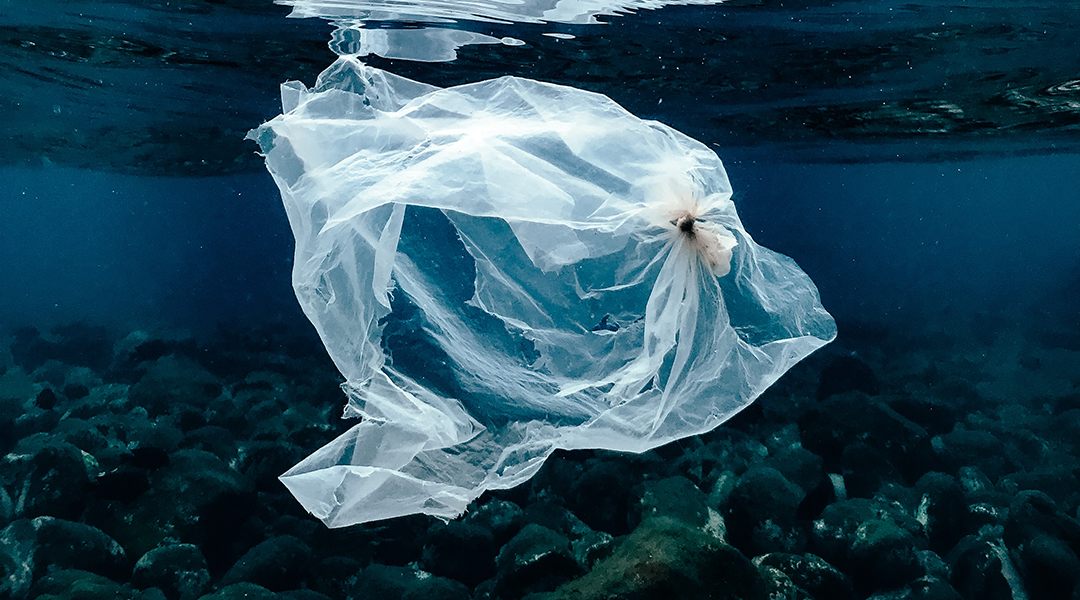
Magnetic iron nanoparticles shown to eliminate persistent water pollution, such as microplastics and oils.

A new frontier in clean energy may be on the horizon with nanoscale generators that capture electricity from molecules.

With innovations in biosensors, Internet of Things, and machine learning, a collective effort could offer a way to overcome an impending shortage.
 New theory suggests gravity is not a fundamental force
 Higgs boson may be driving the Universe’s expansion
 Water-powered gadgets may be on the horizon thanks to new evaporation-based energy device
 Scientists discover a new class of antibiotics
 Micron-sized hidden dimensions could solve two of physics’ deepest puzzles
 A new type of dark matter could explain mysterious radiation from the Milky Way’s core