Fabricated nanorods are not only straight and tall (at least by nano-standards), but also have an optimal crystal structure.
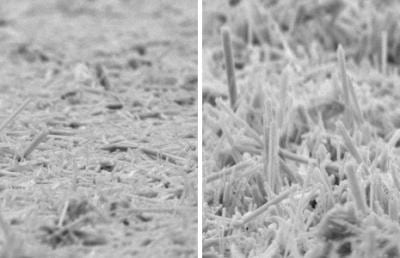

Fabricated nanorods are not only straight and tall (at least by nano-standards), but also have an optimal crystal structure.
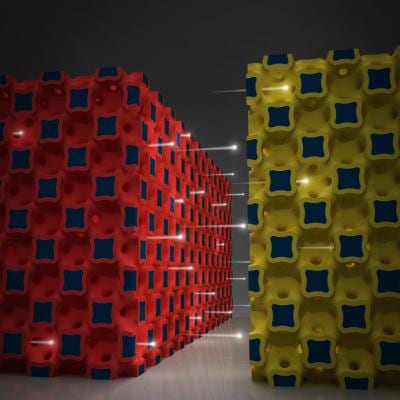
Technology out-powers even the best supercapacitors and could drive new applications in radio communications and compact electronics.
£700,000 grant will support research to drive down energy costs in an environmentally friendly way.
Dr. Akira Yoshino and Vladimir Evgenyevich Fortov are this year’s recipients of $1.2 million endowment.
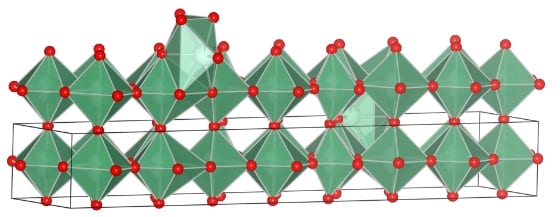
Synthesized form of niobium oxide developed at UCLA has a great facility for storing energy.
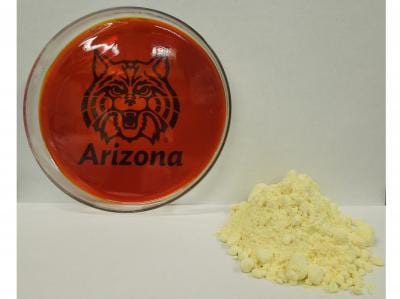
Process can transform waste sulfur into a lightweight plastic that may improve batteries for electric cars, reports a University of Arizona-led team.

Company claims that next-generation materials have four times the capacity of current anodes.
ETH Zurich and Empa researchers develop a nanomaterial which enables considerably more power to be stored in lithium ion batteries.
Nanowire solar cells created at EPFL could absorb 12 times as much light as the current standard.
Efficient solar cells can be fabricated using natural substrates derived from plants such as trees.


 Micron-sized hidden dimensions could solve two of physics’ deepest puzzles
 Turning Periods into Power: Menstrual Blood a Valuable Resource for Medical Diagnostics
 Surfactants Steer Supraparticle Structure
 Bone loss in obesity traced to gut microbiota
 Edible electronics realize safe, complex monitoring devices
 Fermilab Confirms Muon g-2 Measurements