A new method for creating a high degree of porosity within powder particles has been reported by US-based scientists.
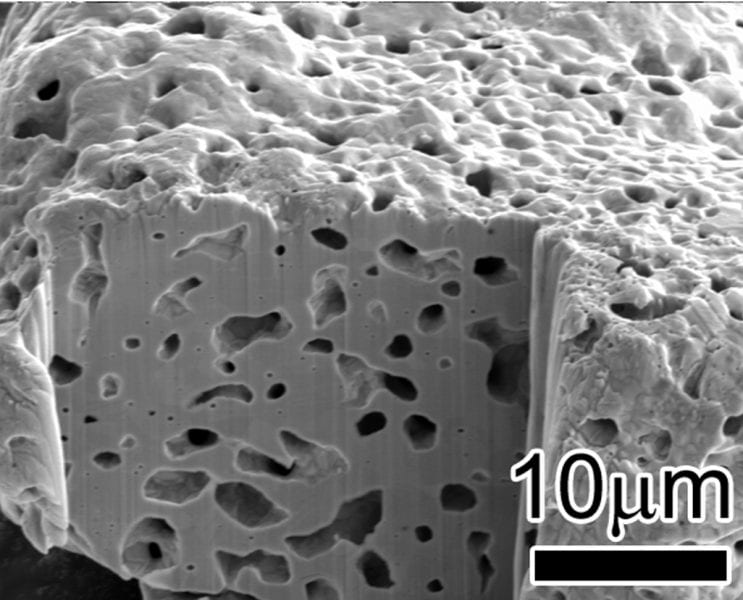


A new method for creating a high degree of porosity within powder particles has been reported by US-based scientists.
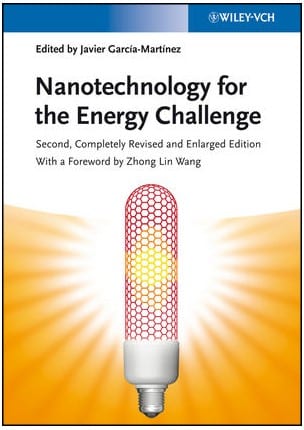
Markku Leskelä, of the Department of Chemistry, University of Helsinki, Finland provides another review for Nanotechnology for the Energy Challenge.
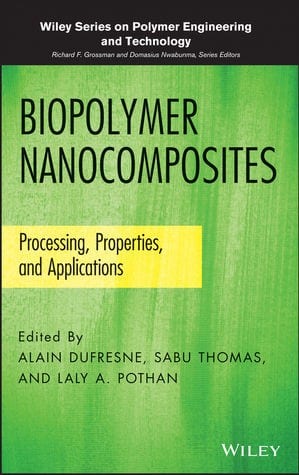
Marisa Masumi Beppu, University of Campinas SP, Brazil reviews Biopolymer Nanocomposites: Processing, Properties, and Application.
Researchers have demonstrated a roll forming simulation with the possibility of determining realistic load parameters by means of experimental results.
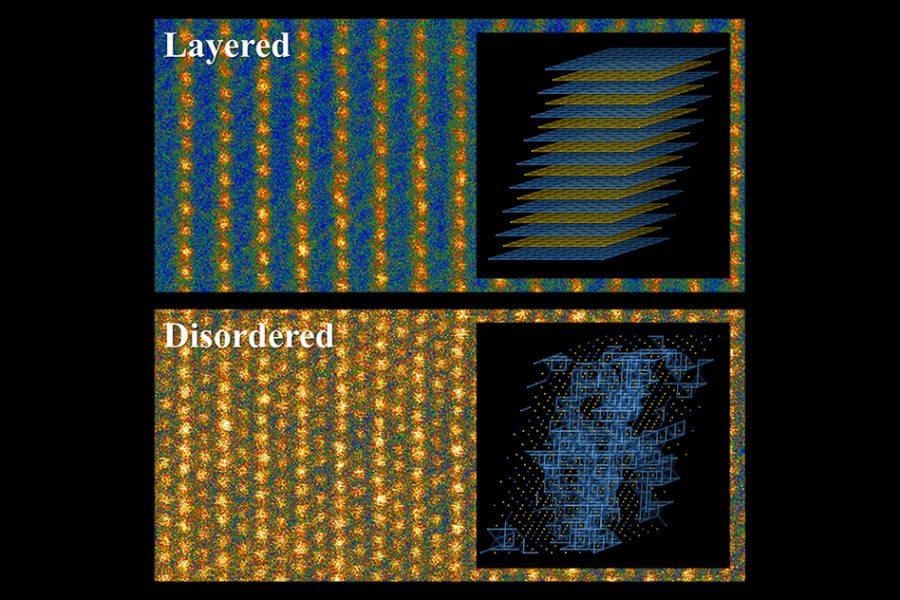
researchers at MIT and Brookhaven National Laboratory have found a whole new avenue in li-ion battery research: the use of disordered materials.
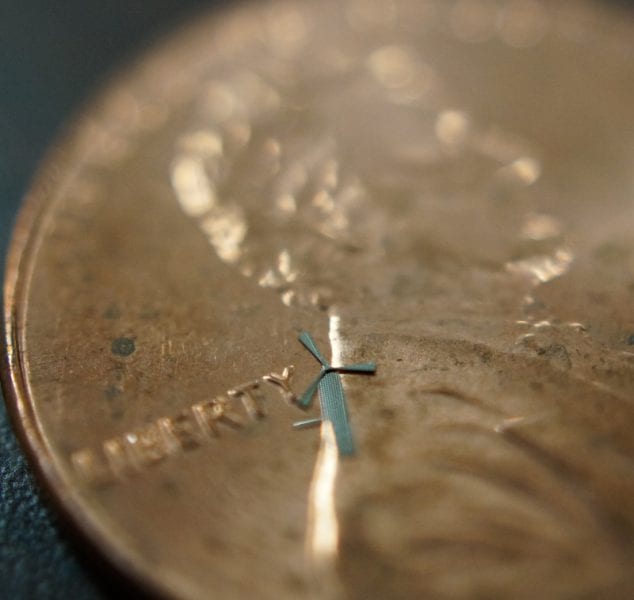
1.8mm wind turbines could be used to power cellphones, microelectronics, and have attracted the interested of WindMEMS.
EPFL scientists have developed an innovative mathematical method to greatly improve computer modeling of metamaterials.
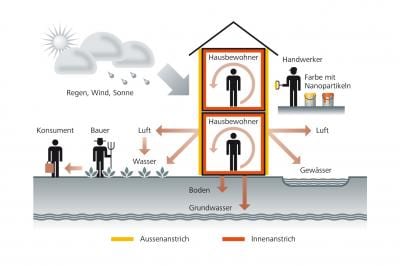
EU research project NanoHouse ends – suggests nanoparticles in the paint used on building façades do not represent a particular health risk.
Protein-based photoelectrochemical cell produces a direct current under continuous light but a novel alternating current under discontinuous illumination.
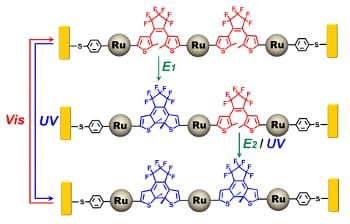
Researchers have achieved the first photo/electro co-modulation of molecular transport junctions based on chemically fabricated nanogaps.