
Researchers from Brazil have treated post-consumer PVC with SF 6 plasma to render its properties similar to those of virgin resin.

Advanced Science News
Content curated by ASN staff
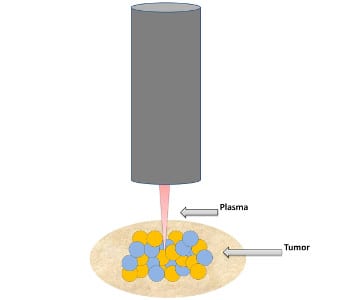
Treating cancer with low temperature plasma
Plasma Processes and Polymers publishes the first journal special issue that focuses on the application of low temperature plasma to cancer.
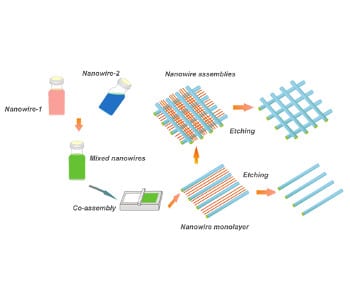
Flexible transparent electrodes made from nanowire networks
Shu-Hong Yu and his research group from USTC propose a new nanowire assembly strategy to fabricate flexible transparent electrodes.
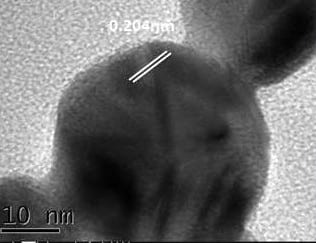
Detecting a heart attack with gold nanoparticles
Researchers have developed a colloidal gold test strip for Cardiac troponin I detection based on microplasma generated gold nanoparticles.
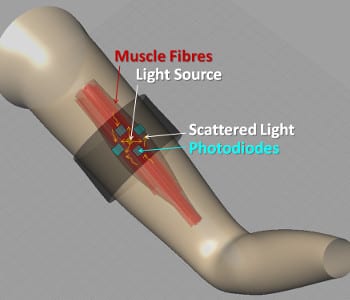
Light sensors for artificial limbs
Researchers shine light into muscle to detect instructions for artificial limbs.
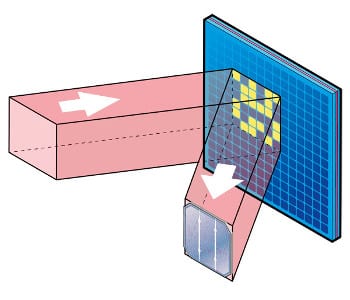
Laser testing solar cells
Scientists NPL have developed a new method for detecting defects in solar cells using a technique called ‘compressed sensing’.
Plasma etching for better vascular grafts
A Montreal-based research group have developed aligned electrospun PET nanofiber mats that mimic the media layer of arteries.

Artificial evolution for medical applications
2014 Karl Heinz Beckurts Award goes to Prof. Dr. Andreas Marx.
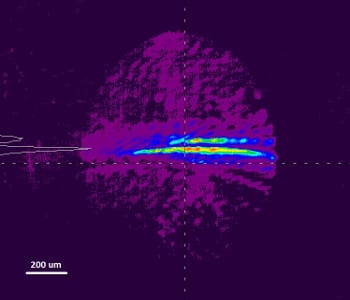
Breakthrough in whispering gallery mode sensors
Researchers have demonstrated free-space laser excitation of whispering gallery modes in vertically suspended oil droplets, recording Q-factors of over 105.
ChemNanoMat opens for submissions
ChemNanoMat is the latest journal to be launched by Wiley-VCH and opened for submissions at the beginning of November.