
Most read this week
-
 Cancer immunotherapy works better earlier in the day
-
 Hybrid electrolysis replaces waste oxygen with valuable chemicals
-
 Your meal as an energy source: harvesting heat to power smart ingestible devices
-
 Transforming agricultural waste into water and energy solutions in Mozambique
-
 3D printing is now possible inside living cells
Latest

Hybrid electrolysis replaces waste oxygen with valuable chemicals
A hybrid electrolysis system produces hydrogen while upgrading glycerol into valuable chemicals.

ATP depletion the key driver of ferroptosis in Alzheimer’s brains
Analysis of over 600 post-mortem brains reveals ATP depletion as key in Alzheimer’s-related ferroptosis, pointing to new treatments.

Spines of pinnipeds were adapted for marine life and swimming styles
Pinnipeds traded flexible necks for powerful, mobile lower backs as their ancestors transitioned from land to water.
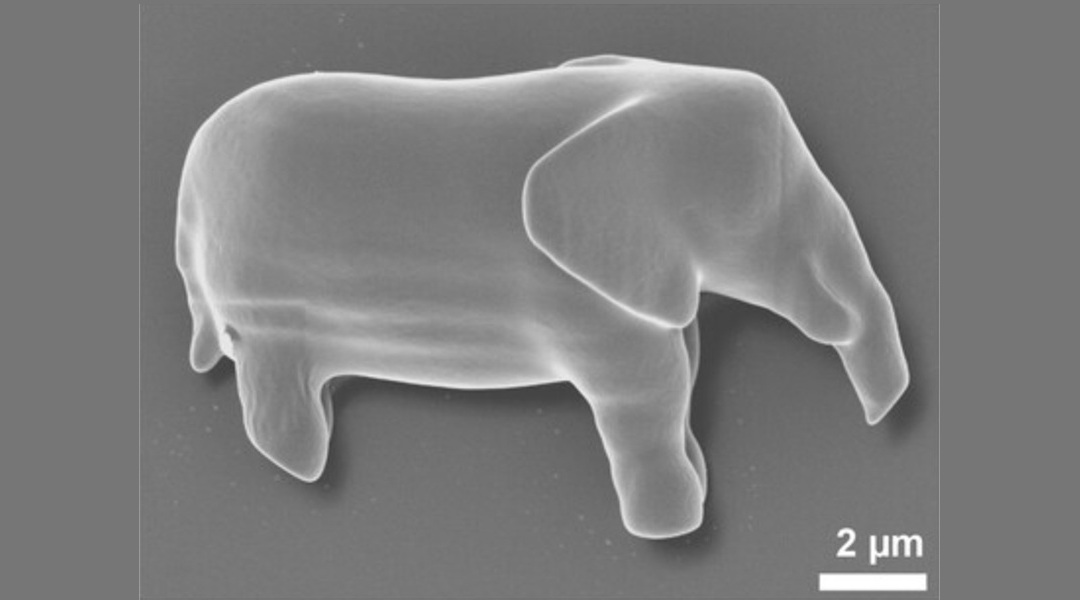
3D printing is now possible inside living cells
A tiny elephant and barcode tags are among the first items ever printed within a living cell.

Quantum computers reveal heat that flows the wrong way
Researchers have observed unusual patterns of heat flow inside quantum computers, revealing behaviors that defy classical thermodynamics.
Hybrid electrolysis replaces waste oxygen with valuable chemicals
A hybrid electrolysis system produces hydrogen while upgrading glycerol into valuable chemicals.
ATP depletion the key driver of ferroptosis in Alzheimer’s brains
Analysis of over 600 post-mortem brains reveals ATP depletion as key in Alzheimer’s-related ferroptosis, pointing to new treatments.
Spines of pinnipeds were adapted for marine life and swimming styles
Pinnipeds traded flexible necks for powerful, mobile lower backs as their ancestors transitioned from land to water.
3D printing is now possible inside living cells
A tiny elephant and barcode tags are among the first items ever printed within a living cell.
Quantum computers reveal heat that flows the wrong way
Researchers have observed unusual patterns of heat flow inside quantum computers, revealing behaviors that defy classical thermodynamics.
ASN Newsletter
Sign up for our newsletter and receive the latest science news directly to your inbox.
Most read this week
-
Cancer immunotherapy works better earlier in the day
-
Hybrid electrolysis replaces waste oxygen with valuable chemicals
-
Your meal as an energy source: harvesting heat to power smart ingestible devices
-
Transforming agricultural waste into water and energy solutions in Mozambique
-
3D printing is now possible inside living cells


Cancer immunotherapy works better earlier in the day
Patient deaths could be halved by simply adjusting the timing of immunotherapy treatment.

Transforming agricultural waste into water and energy solutions in Mozambique
Combining spatial analysis with community engagement, researchers are identifying where agricultural waste can help solve water and energy challenges in rural areas.

Airborne DNA reveals shifting reproductive timing in bryophytes
Reconstructing time from decades of air samples shows bryophytes releasing spores earlier as the climate warms.

Your meal as an energy source: harvesting heat to power smart ingestible devices
An edible thermoelectric system opens new directions for functional hydrogels and ingestible electronics.

POLiS Spokesperson Jürgen Janek on his past and future in solid-state electrochemistry
Prof. Jürgen Janek shares news about the post-lithium energy storage initiative ‘POLiS’ and talks about his career in electrochemistry.
ATP depletion the key driver of ferroptosis in Alzheimer’s brains
Analysis of over 600 post-mortem brains reveals ATP depletion as key in Alzheimer’s-related ferroptosis, pointing to new treatments.
Cancer immunotherapy works better earlier in the day
Patient deaths could be halved by simply adjusting the timing of immunotherapy treatment.
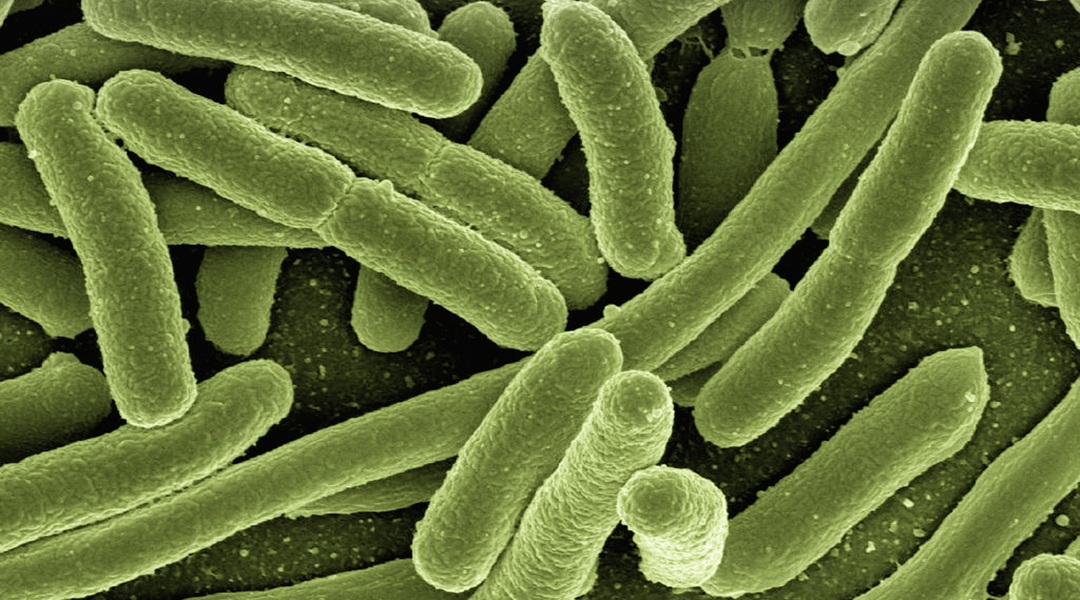
New sensor could transform urinary tract infection diagnostics
Novel fluorescent technology targets urinary tract infections by enabling early, real-time detection of E. coli bacteria in catheter bags.
Lipid nanoparticles: from trial-and-error to mechanism-based design
Individual components of lipid nanoparticles are examined to understand how they interact with cells.
ATP depletion the key driver of ferroptosis in Alzheimer’s brains
Analysis of over 600 post-mortem brains reveals ATP depletion as key in Alzheimer’s-related ferroptosis, pointing to new treatments.
Cancer immunotherapy works better earlier in the day
Patient deaths could be halved by simply adjusting the timing of immunotherapy treatment.
New sensor could transform urinary tract infection diagnostics
Novel fluorescent technology targets urinary tract infections by enabling early, real-time detection of E. coli bacteria in catheter bags.
Lipid nanoparticles: from trial-and-error to mechanism-based design
Individual components of lipid nanoparticles are examined to understand how they interact with cells.
Quantum computers reveal heat that flows the wrong way
Researchers have observed unusual patterns of heat flow inside quantum computers, revealing behaviors that defy classical thermodynamics.

Teaching machines to quiet the noise in quantum computers
Machine learning quickly and precisely diagnoses sources of noise in quantum computers.
Quantum router preserving delicate photon states may advance quantum technologies
Low-loss router based on an interferometer preserves polarization while directing single photons and entangled pairs.

Micron-sized hidden dimensions could solve two of physics’ deepest puzzles
Extra dimensions at the microscale could be tested experimentally within 3-5 years.
Quantum computers reveal heat that flows the wrong way
Researchers have observed unusual patterns of heat flow inside quantum computers, revealing behaviors that defy classical thermodynamics.
Teaching machines to quiet the noise in quantum computers
Machine learning quickly and precisely diagnoses sources of noise in quantum computers.
Quantum router preserving delicate photon states may advance quantum technologies
Low-loss router based on an interferometer preserves polarization while directing single photons and entangled pairs.
Micron-sized hidden dimensions could solve two of physics’ deepest puzzles
Extra dimensions at the microscale could be tested experimentally within 3-5 years.
3D printing is now possible inside living cells
A tiny elephant and barcode tags are among the first items ever printed within a living cell.
Quantum computers reveal heat that flows the wrong way
Researchers have observed unusual patterns of heat flow inside quantum computers, revealing behaviors that defy classical thermodynamics.
Your meal as an energy source: harvesting heat to power smart ingestible devices
An edible thermoelectric system opens new directions for functional hydrogels and ingestible electronics.

AI helps digital light processing print more robust structures
Digital light processing is improved with new resin and AI-optimized structures.
3D printing is now possible inside living cells
A tiny elephant and barcode tags are among the first items ever printed within a living cell.
Quantum computers reveal heat that flows the wrong way
Researchers have observed unusual patterns of heat flow inside quantum computers, revealing behaviors that defy classical thermodynamics.
Your meal as an energy source: harvesting heat to power smart ingestible devices
An edible thermoelectric system opens new directions for functional hydrogels and ingestible electronics.
AI helps digital light processing print more robust structures
Digital light processing is improved with new resin and AI-optimized structures.
Hybrid electrolysis replaces waste oxygen with valuable chemicals
A hybrid electrolysis system produces hydrogen while upgrading glycerol into valuable chemicals.
Spines of pinnipeds were adapted for marine life and swimming styles
Pinnipeds traded flexible necks for powerful, mobile lower backs as their ancestors transitioned from land to water.
Transforming agricultural waste into water and energy solutions in Mozambique
Combining spatial analysis with community engagement, researchers are identifying where agricultural waste can help solve water and energy challenges in rural areas.
Airborne DNA reveals shifting reproductive timing in bryophytes
Reconstructing time from decades of air samples shows bryophytes releasing spores earlier as the climate warms.
Hybrid electrolysis replaces waste oxygen with valuable chemicals
A hybrid electrolysis system produces hydrogen while upgrading glycerol into valuable chemicals.
Spines of pinnipeds were adapted for marine life and swimming styles
Pinnipeds traded flexible necks for powerful, mobile lower backs as their ancestors transitioned from land to water.
Transforming agricultural waste into water and energy solutions in Mozambique
Combining spatial analysis with community engagement, researchers are identifying where agricultural waste can help solve water and energy challenges in rural areas.
Airborne DNA reveals shifting reproductive timing in bryophytes
Reconstructing time from decades of air samples shows bryophytes releasing spores earlier as the climate warms.
POLiS Spokesperson Jürgen Janek on his past and future in solid-state electrochemistry
Prof. Jürgen Janek shares news about the post-lithium energy storage initiative ‘POLiS’ and talks about his career in electrochemistry.
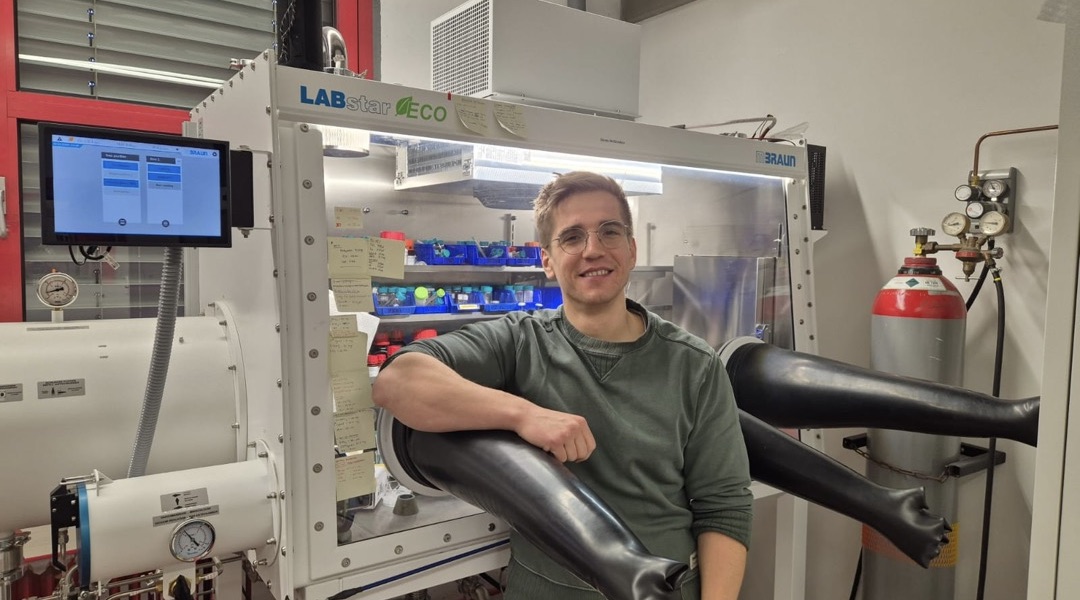
Alex Plajer – From Postdoc to PI: Combining Unusual Monomers Into Functional Polymers
Polymer chemist Alex Plajer talks about his research journey, transitioning into a group-leader role, and his vision for the field.

Laura Horan of Vanguard Automation on being a photonics engineer
Laura Horan, Staff Engineer and Head of Product Management at Vanguard Automation, talks to Elisenda Lara, EPIC’s MarCom Manager, about her career in the photonics industry.
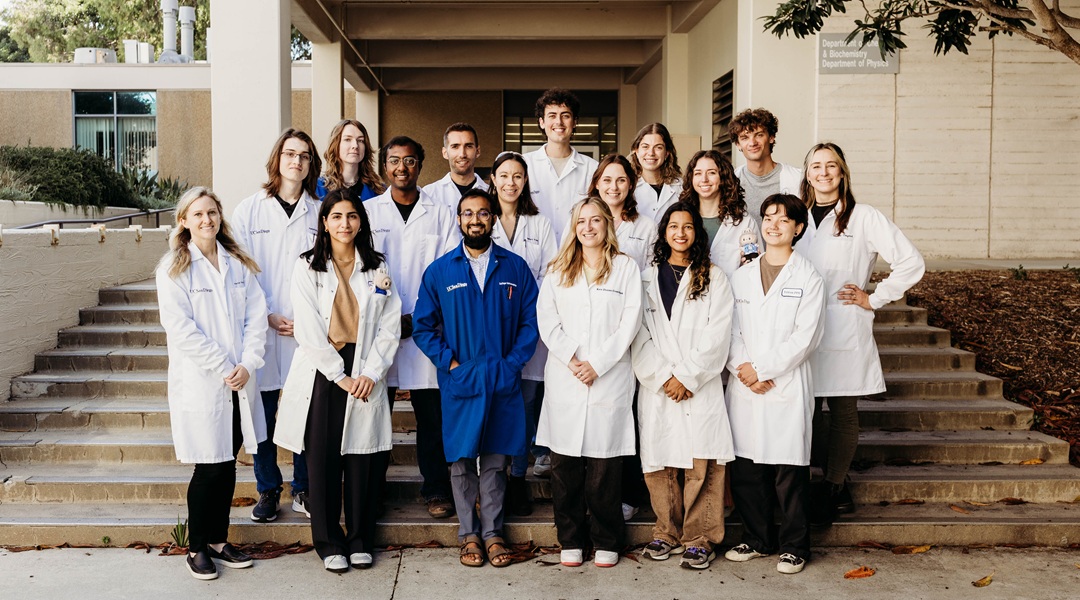
Alexis Komor, Expanding the Gene Editing Toolbox
Young Innovator Awardee for 2025, Komor leads a group at UCSD developing precision genome editing methods using chemical biology.
POLiS Spokesperson Jürgen Janek on his past and future in solid-state electrochemistry
Prof. Jürgen Janek shares news about the post-lithium energy storage initiative ‘POLiS’ and talks about his career in electrochemistry.
Alex Plajer – From Postdoc to PI: Combining Unusual Monomers Into Functional Polymers
Polymer chemist Alex Plajer talks about his research journey, transitioning into a group-leader role, and his vision for the field.
Laura Horan of Vanguard Automation on being a photonics engineer
Laura Horan, Staff Engineer and Head of Product Management at Vanguard Automation, talks to Elisenda Lara, EPIC’s MarCom Manager, about her career in the photonics industry.
Alexis Komor, Expanding the Gene Editing Toolbox
Young Innovator Awardee for 2025, Komor leads a group at UCSD developing precision genome editing methods using chemical biology.