Using plant proteins derived from crop waste and spent grains adds new dimension to sustainable lab-grown meats.
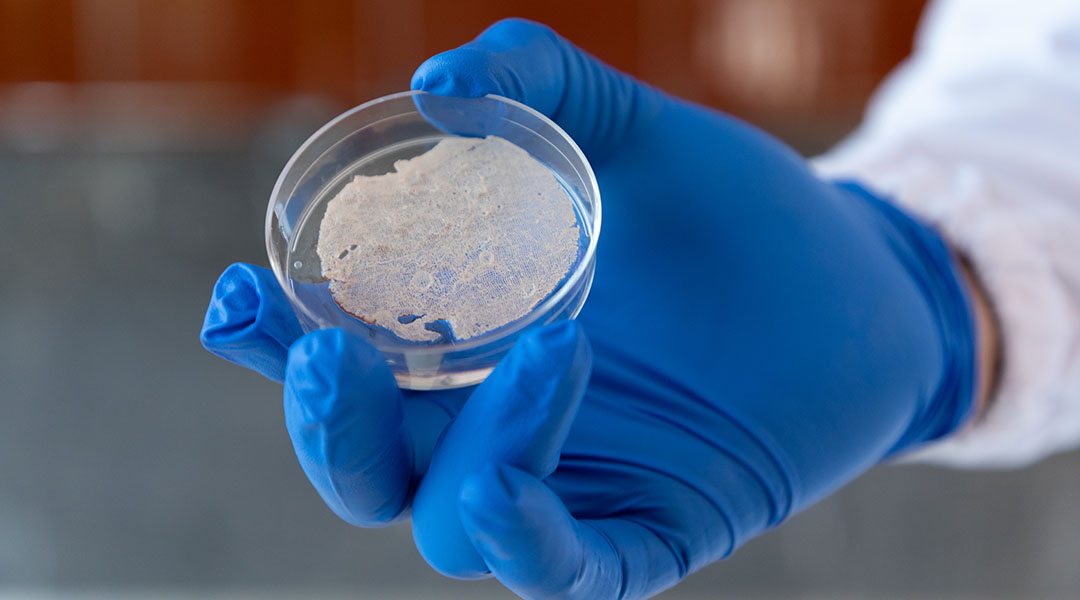

Using plant proteins derived from crop waste and spent grains adds new dimension to sustainable lab-grown meats.
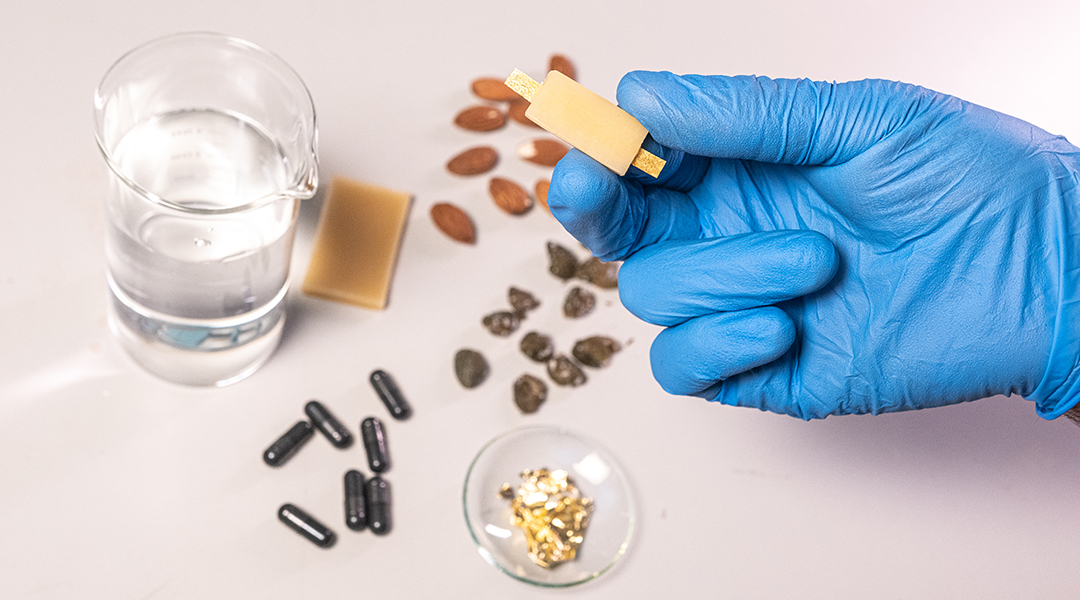
An edible and rechargeable battery to power devices used for GI tract monitoring, therapeutics, and analyzing food quality.

Using the adhesive properties of ice, researchers have developed a transfer method to move large sheets of 2D materials without breaking them.
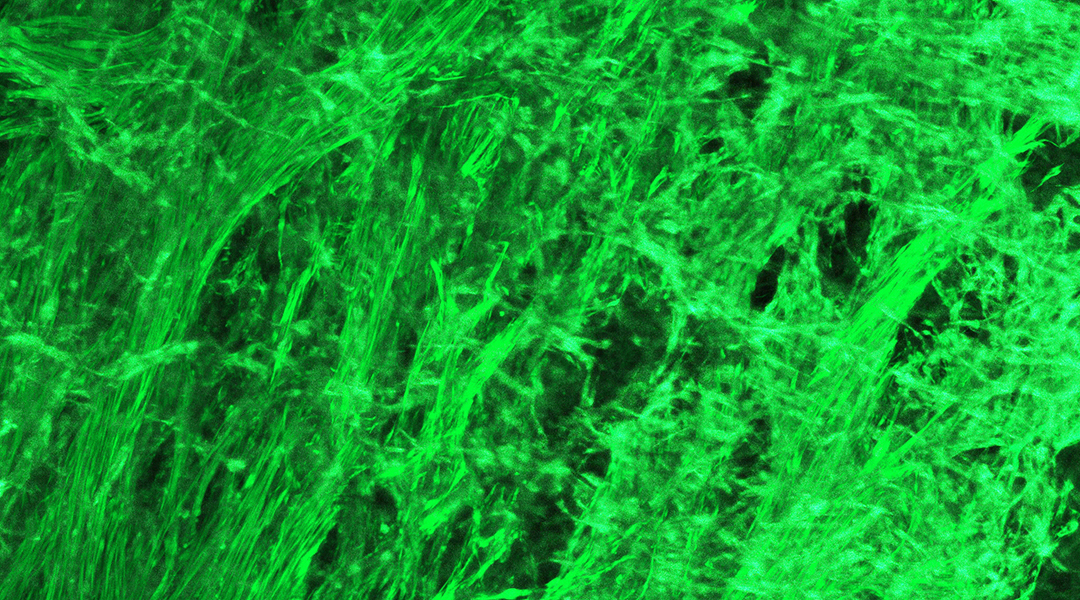
Engineered tissue mimics the contractions of the small intestine to break down artificial materials simulating partially digested food.
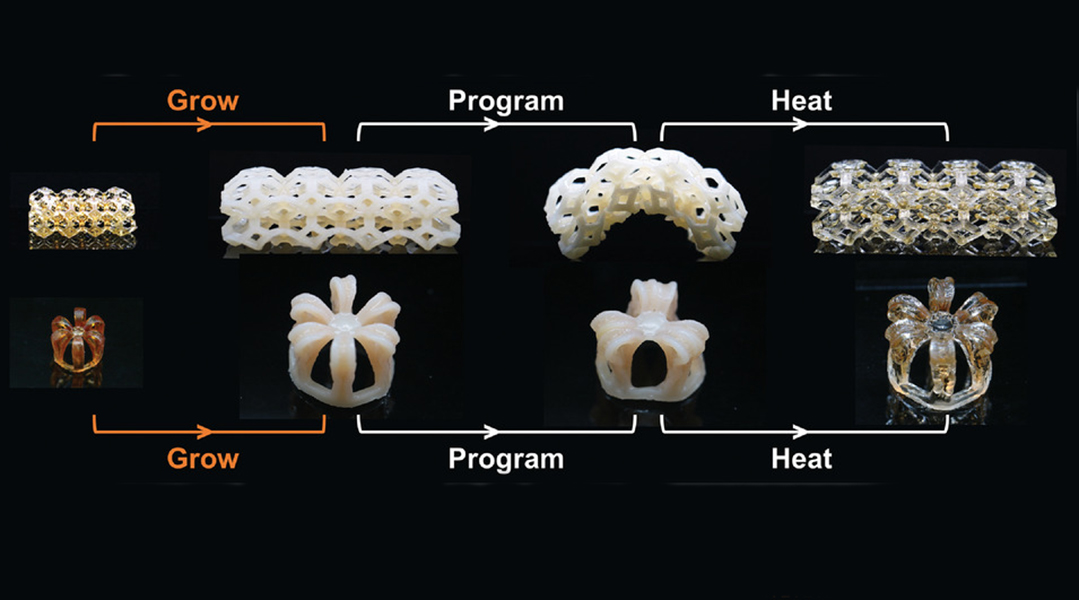
4D printing produces a living polymer network that can be printed into 3D shapes and then broken down into its monomer units for reuse.
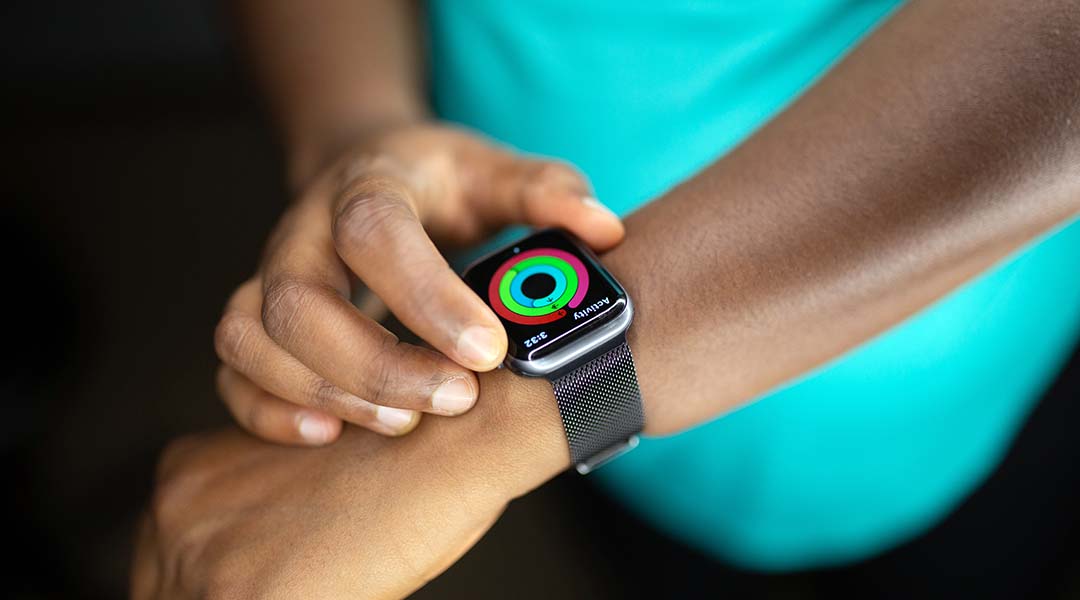
A novel hydrogel component could increase the life cycle of cheap, safe, environmentally friendly, and energy-efficient batteries.
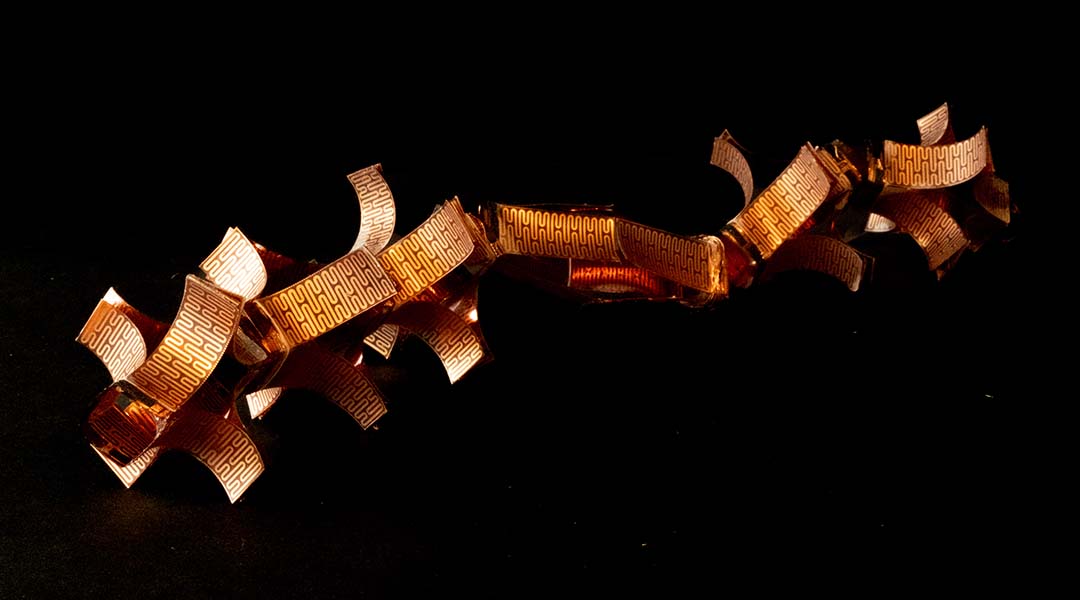
The replacement of rigid parts could help robots more closely mimic the humble worm to help them squeeze into tight spots.
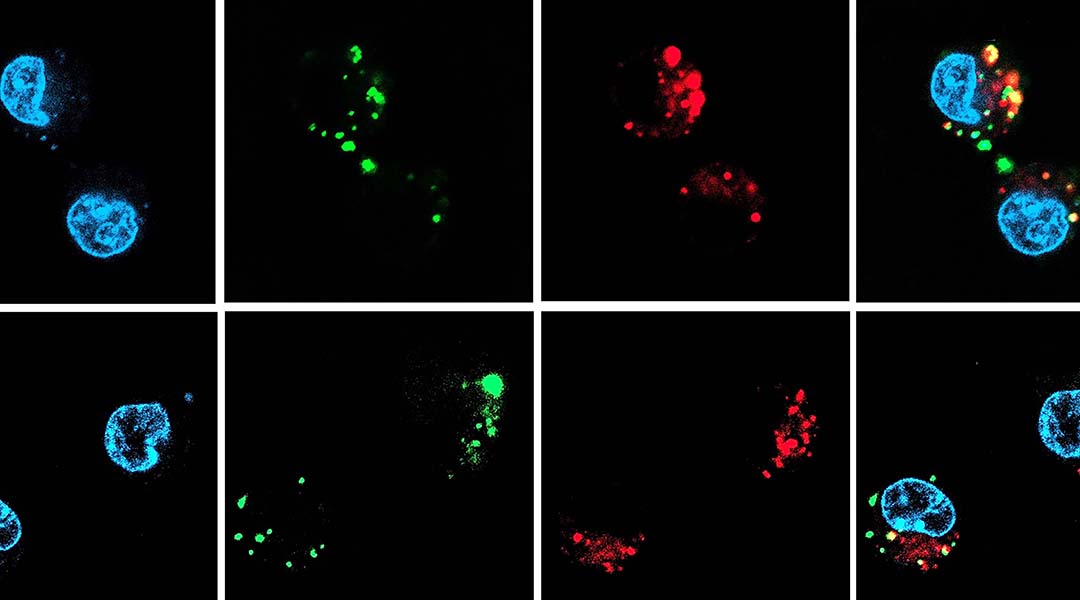
Drugs based on nucleic acids are easily degradable and tough to deliver, but a way around this is to coat them in protective carrier.
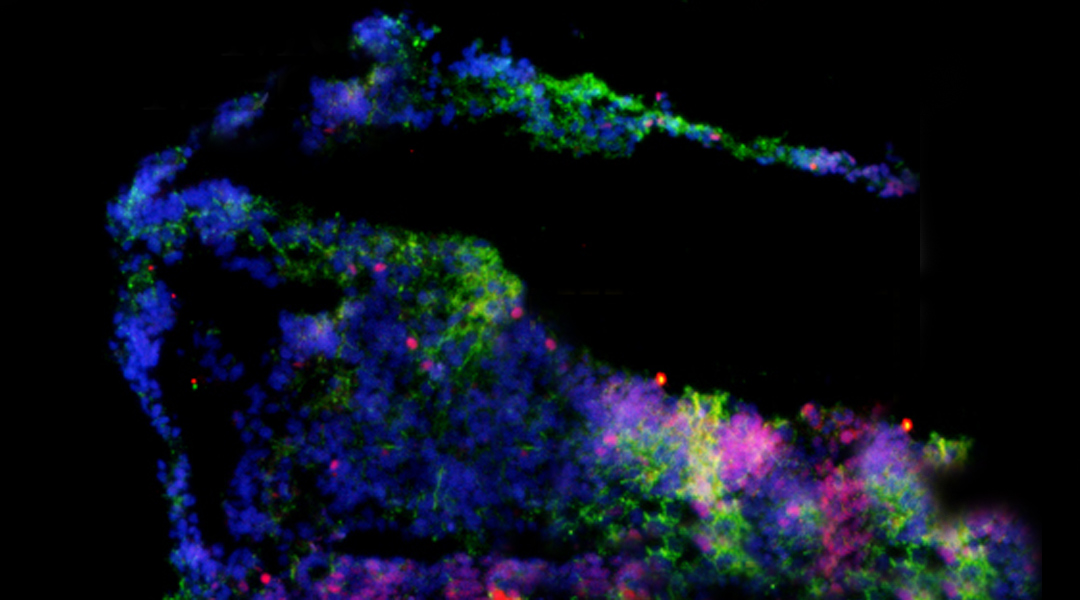
To mimic the the interconnected structure of the brain, model organoids can be connected together into larger assemblies.
Taking inspiration from plants, researchers demonstrate a proof-of-concept device that extracts hydrogen fuel from humidity using sunlight.

 Micron-sized hidden dimensions could solve two of physics’ deepest puzzles
 Turning Periods into Power: Menstrual Blood a Valuable Resource for Medical Diagnostics
 Surfactants Steer Supraparticle Structure
 Bone loss in obesity traced to gut microbiota
 Edible electronics realize safe, complex monitoring devices
 Fermilab Confirms Muon g-2 Measurements