In-situ assembled flower-shaped DNA constructs can be used for an efficient intracellular protein delivery.
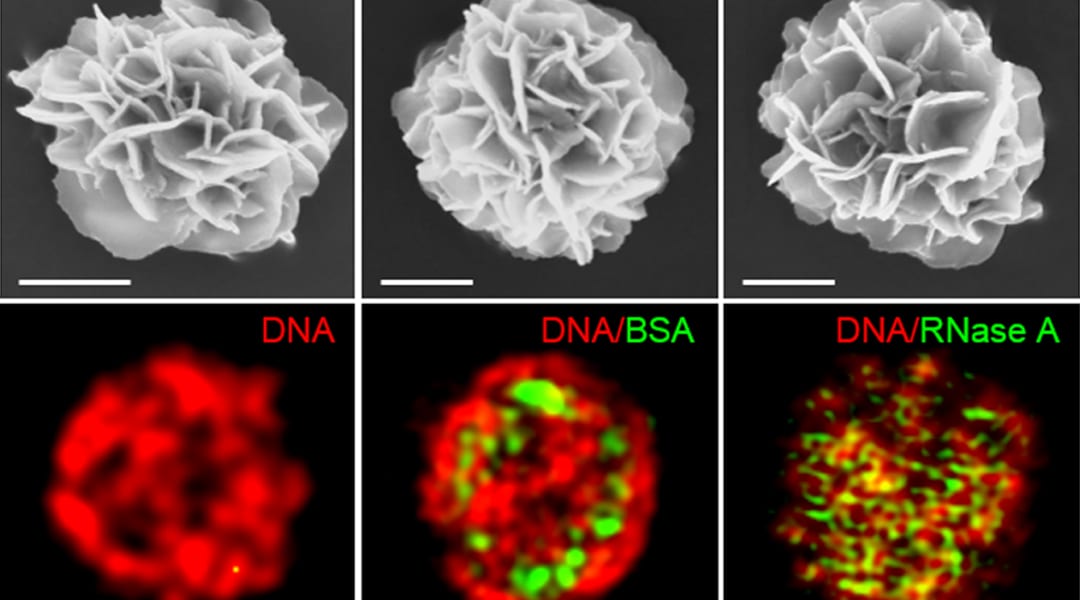

In-situ assembled flower-shaped DNA constructs can be used for an efficient intracellular protein delivery.
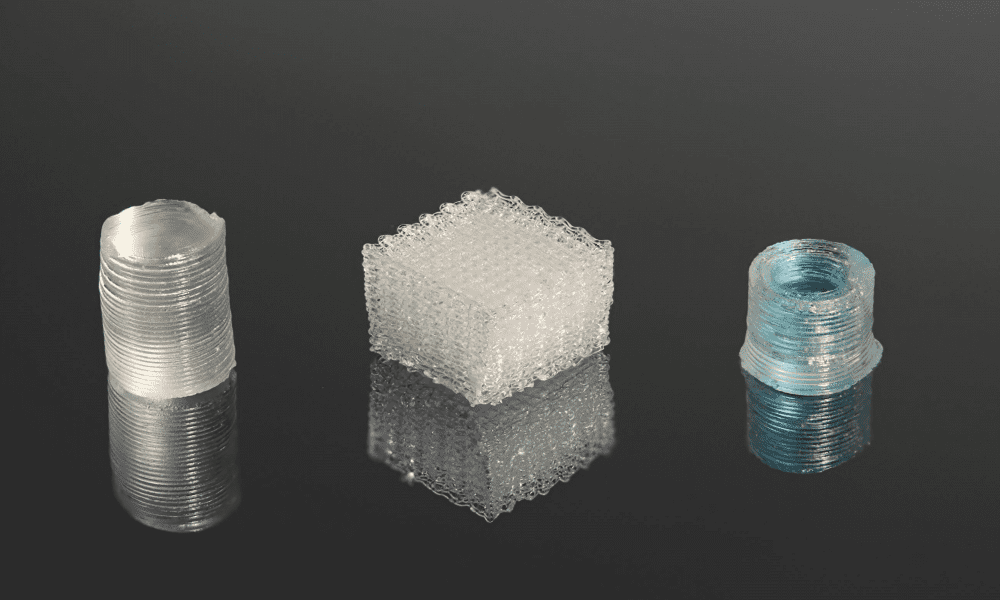
3D-printed transparent glass is prepared using a two-step method that shows promise for the creation of glass optics as well as intricate glass structures.
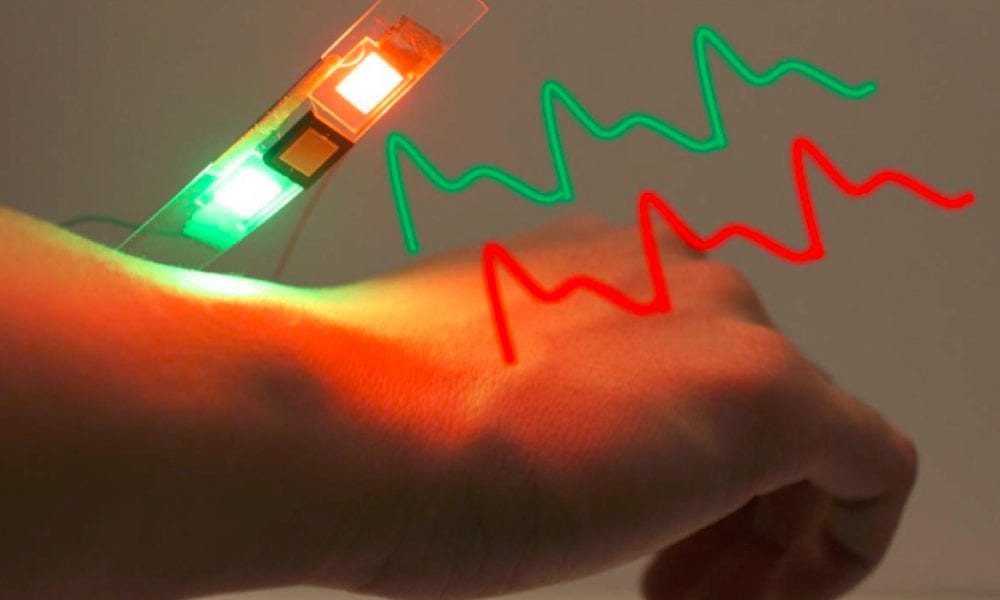
Accurate pulse and oxygenation data can be obtained through multicolor PLEDs on one flexible substrate fabricated by a surface energy patterning assisted blade coating technique.

An optically transparent epoxy-siloxane molecular hybrid material that simultaneously exhibits glass-like wear resistance and strength, plastic-like modulus and a high modulus of resilience is developed by Dongchan Jang, Byeong-Soo Bae and co-workers.

A set of biocompatible, biodegradable, and biofunctionalizable diffractive optical elements (DOEs) using silk proteins as the building materials are reported by Zhendong Tao, Tiger H. Tao and co-workers.

Thermal dewetting of gold, which is sandwiched between the yolk and shell, leads to the desired nanocup morphology.
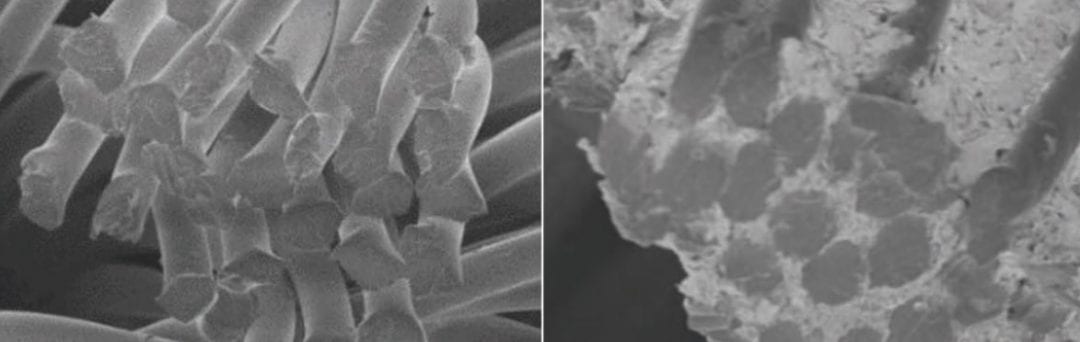
When fabric stretches, printed patterns crack and separate. This new conductive ink maintains the integrity of printed circuits for electronic textiles.
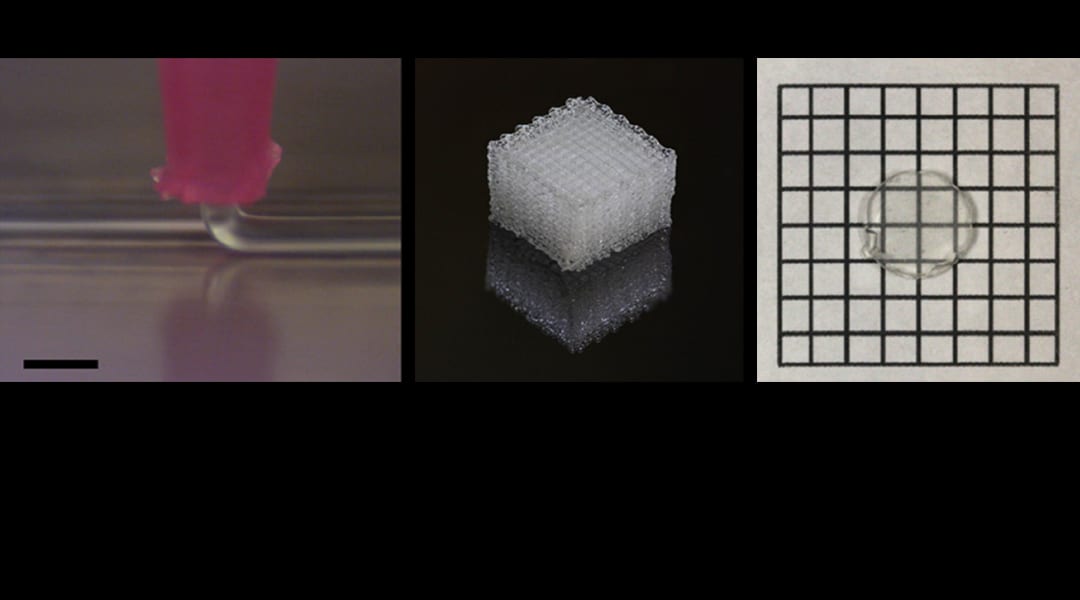
3D printing technology enables a mold-free formation of freeform transparent glass.
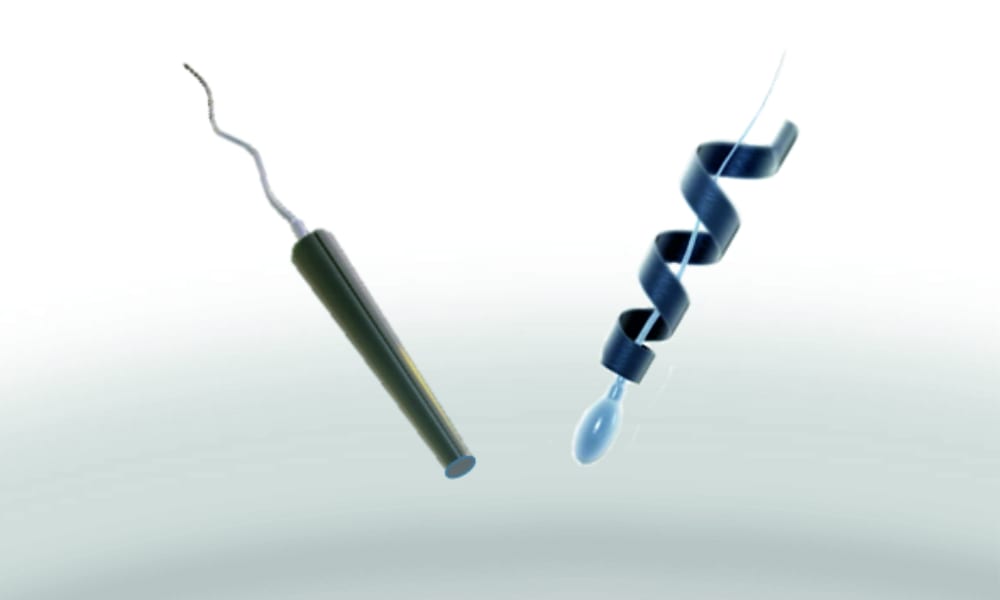
Sperm cells are attractive as propulsion sources or as functional components in robotic microswimmers to realize complex tasks in the body.

Inspired by human fingers after prolonged exposure to water, moisture responsive wrinkling surfaces are developed.
 New theory suggests gravity is not a fundamental force
 Higgs boson may be driving the Universe’s expansion
 Water-powered gadgets may be on the horizon thanks to new evaporation-based energy device
 Scientists discover a new class of antibiotics
 Micron-sized hidden dimensions could solve two of physics’ deepest puzzles
 A new type of dark matter could explain mysterious radiation from the Milky Way’s core