Researchers from South Korea report a dynamic self-assembly technology to fabricate repeating structures from magnetic particles.
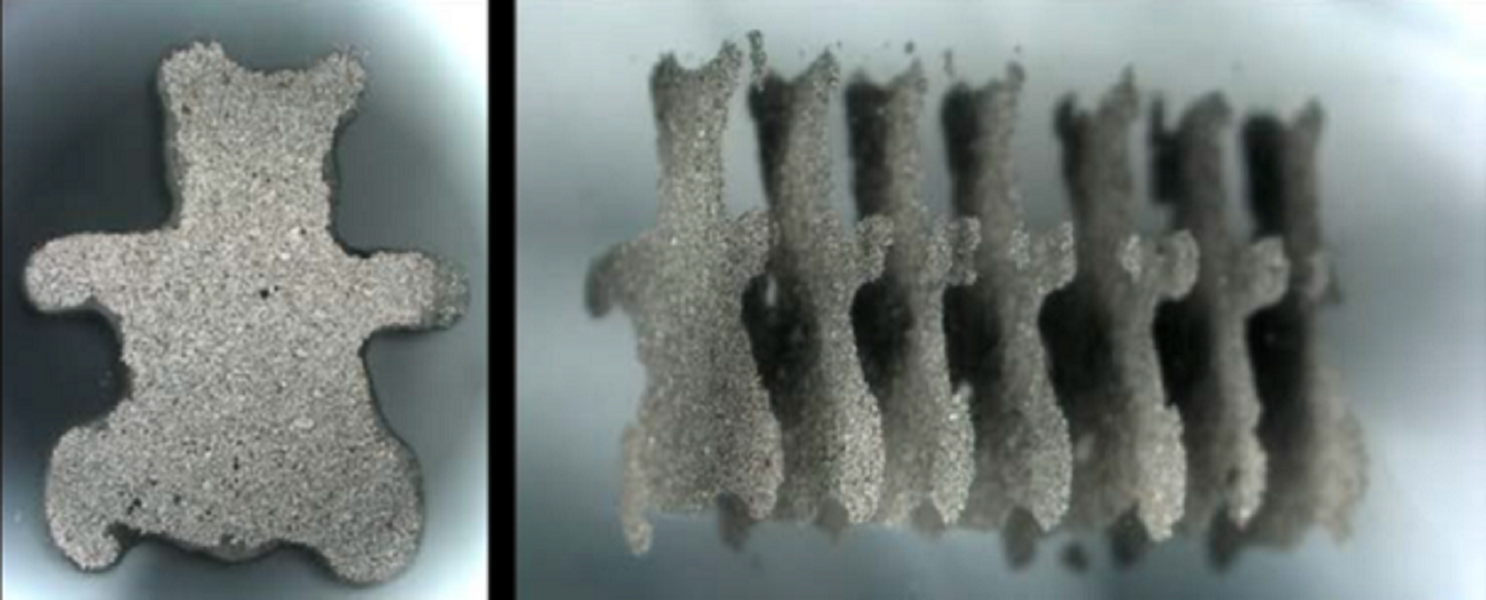

Researchers from South Korea report a dynamic self-assembly technology to fabricate repeating structures from magnetic particles.
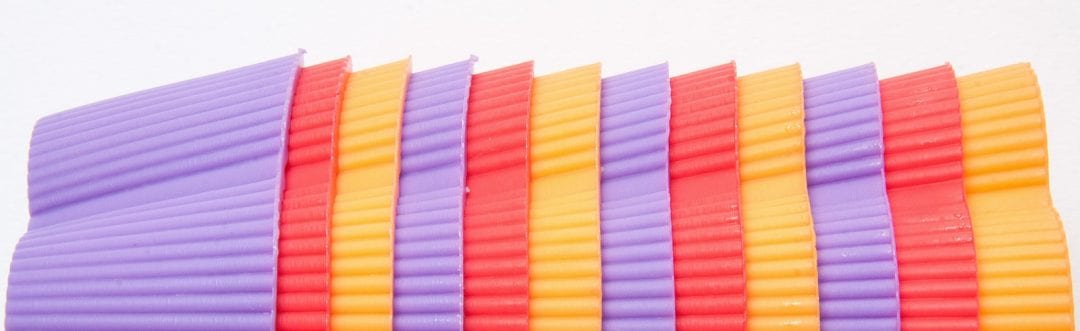
Researchers achieved 3D printing of flexible silicone rubber structures through combining water with solid and liquid forms of silicone into a pasty ink.
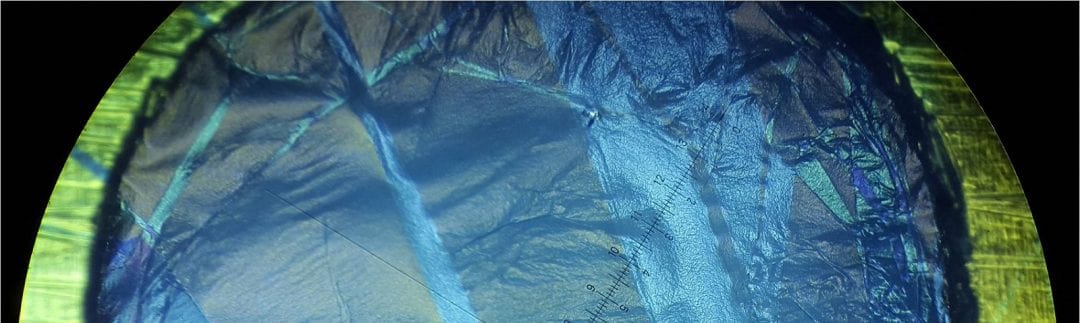
Scientists at LMU Munich and FSU Jena have developed organic semiconductor nanosheets, which can easily be removed from a growth substrate and placed on other substrates.
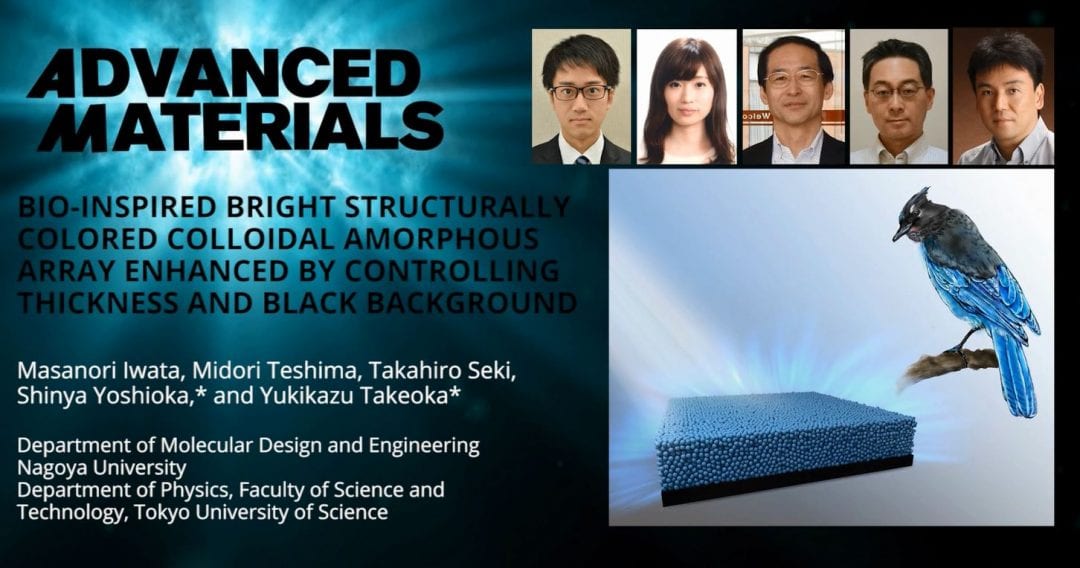
Inspired by Steller’s jay, researchers produce angle-independent, structurally colored materials composed of amorphous arrays of fine spherical silica colloidal particles.

Researchers from King Abdullah University of Science and Technology design a high-performance filtration membrane made exclusively of cyclodextrin.
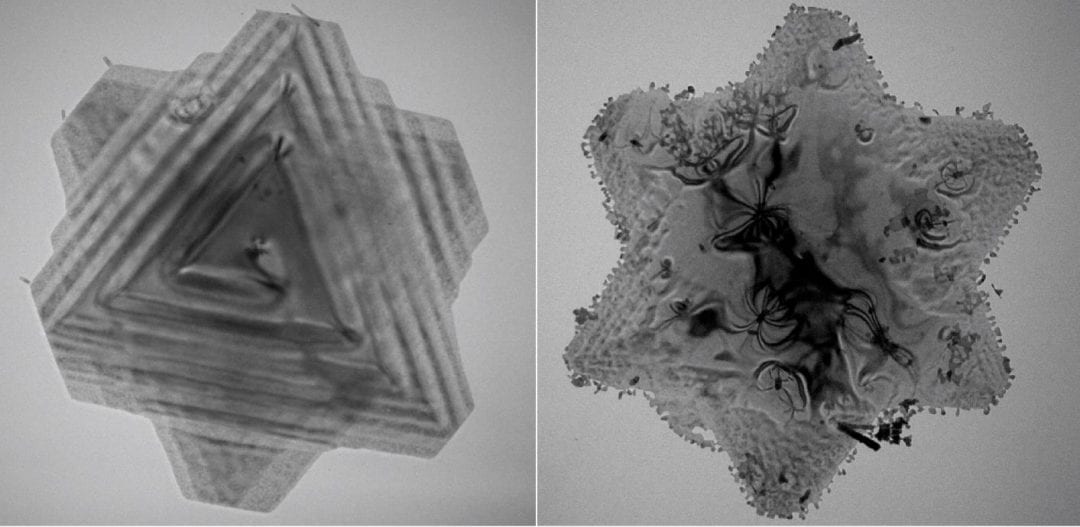
Sb2Te3 nanoplates decorated with two-dimensional chalcogenide self-assembled Ag, with spiral growth.
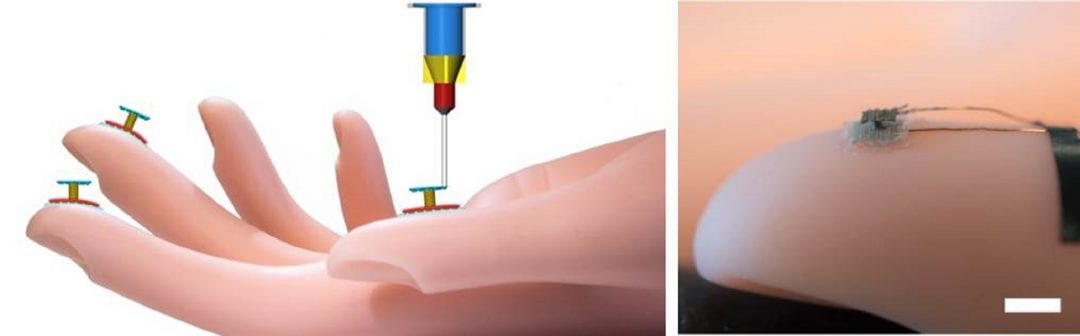
Complex multi-material tactile sensors can be printed in situ; a new route toward the biointegration of various sensors in wearable electronics.

This year sees the 120th anniversary of Zhejiang University in Hangzhou, China.
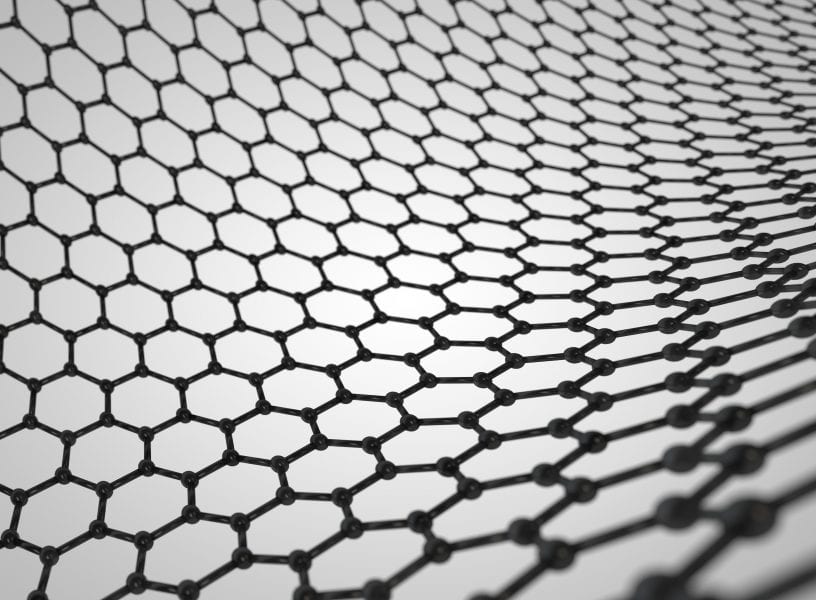
Using an innovative method, super-flexible graphene films are synthesized while maintaining their ultra-high thermal conductivity. (Image credit: Artbox/Shutterstock)

A Boolean logic gate is constructed within a single molecule, controlled by light and protonation.

 Micron-sized hidden dimensions could solve two of physics’ deepest puzzles
 Turning Periods into Power: Menstrual Blood a Valuable Resource for Medical Diagnostics
 Surfactants Steer Supraparticle Structure
 Bone loss in obesity traced to gut microbiota
 Edible electronics realize safe, complex monitoring devices
 Fermilab Confirms Muon g-2 Measurements