Analysis reveals never-before-seen details about a type of thin film being explored for advanced microelectronics.


Analysis reveals never-before-seen details about a type of thin film being explored for advanced microelectronics.
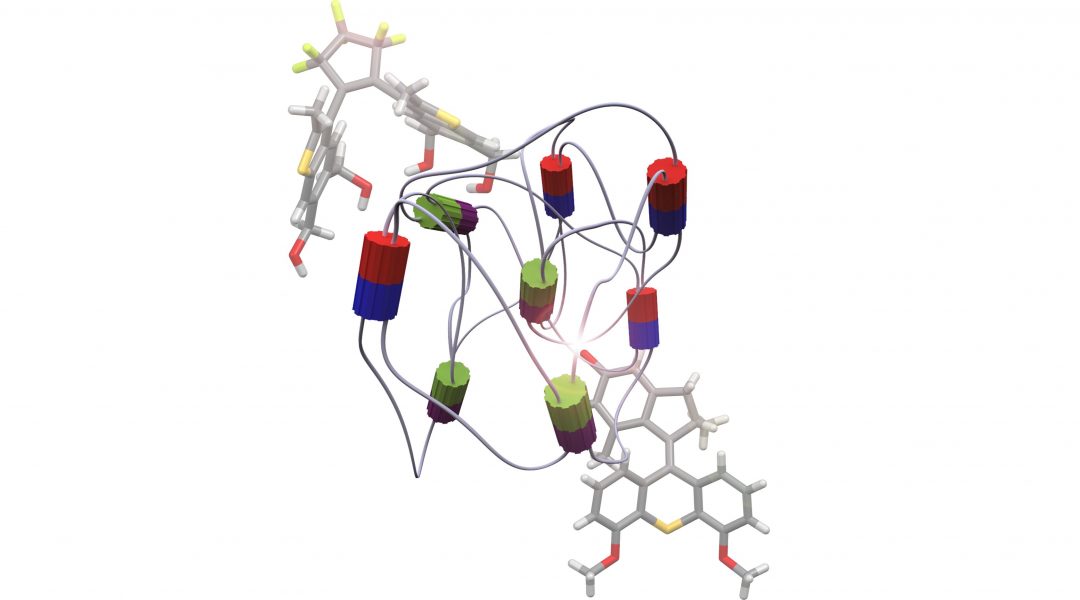
New types of 2D and 3D stimuli‐responsive materials can be constructed by integrating molecular machines as part of their building blocks.

A new material that pulls moisture from the air and uses it to generate an electric current.

Programmable smart materials, which can be reversibly controlled through magnetically-induced heating and actuation.

“This work opens new avenues for material scientists and biologists to mimic in the lab the structure of living tissues and to upscale the production of engineered constructs.” ~ Dr. Riccardo Levato and Prof. Chris Moser.
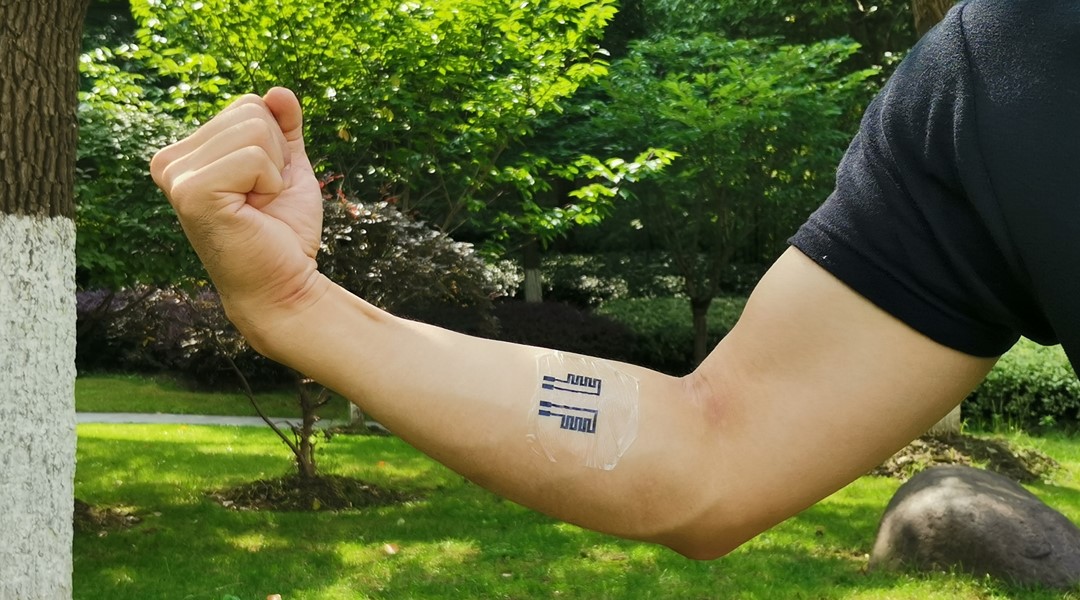
Skin-friendly epidermal electronic devices fabricated using flexible, stretchable, and degradable protein-based substrates could offer a viable solution to real-time health and fitness monitoring.

Michal Leskes and Shira Haber assess the capabilities of NMR in analyzing solid-state interfaces.
Hybrid systems of hydrogels and metals with tough bonding may find widespread application in smart materials and device interfaces.

Machine learning enables the manufacturing of highly compressible nano-scale devices.

Meeting Michael Sailor: the passion for science, the strength of cross-disciplinary research.

 Micron-sized hidden dimensions could solve two of physics’ deepest puzzles
 Turning Periods into Power: Menstrual Blood a Valuable Resource for Medical Diagnostics
 Surfactants Steer Supraparticle Structure
 Bone loss in obesity traced to gut microbiota
 Edible electronics realize safe, complex monitoring devices
 Fermilab Confirms Muon g-2 Measurements