A prototype theranostic device based on thermally triggered release of a fluorescent antibiotic from polymer coated porous silicon films is developed.
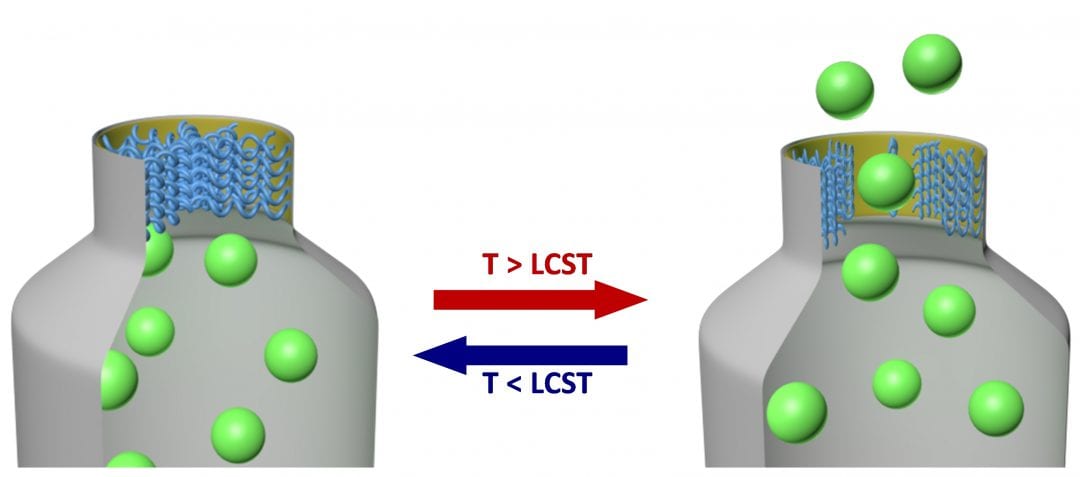

A prototype theranostic device based on thermally triggered release of a fluorescent antibiotic from polymer coated porous silicon films is developed.
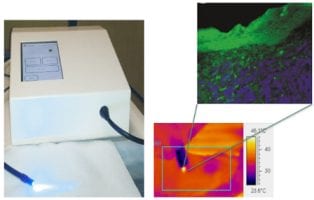
Irradiation with a blue-LED haemostatic device improved the healing process in superficial skin wounds without adverse side effects.

An international, interdisciplinary team is developing highly porous biomaterials for localised release of therapeutic ions and drugs
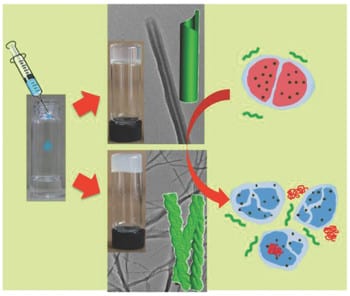
Silver(I) metallogels with nanotube and nanofiber structures show strong antibiotic properties.
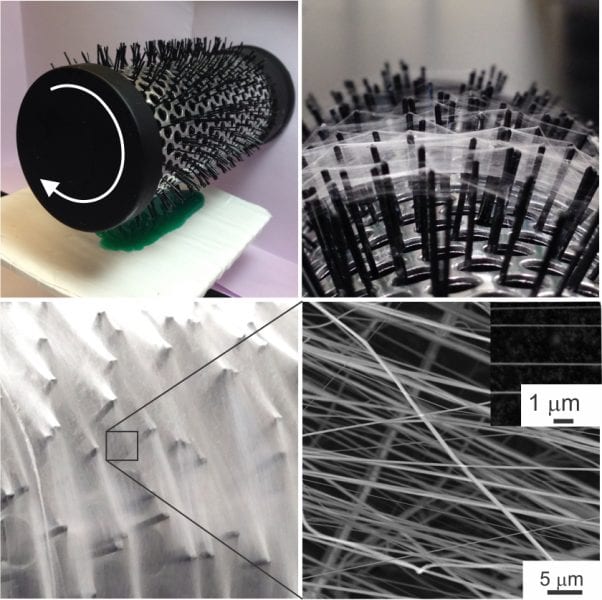
Touch- and brush-spinning methods for drawing of nanofibers, core–shell nanofibers, and their aligned 2D and 3D meshes have been developed.
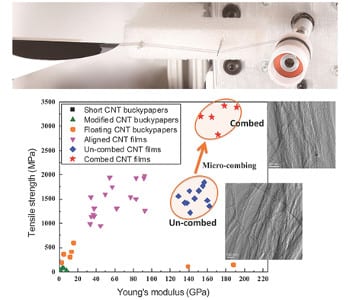
Prof. Zhu and his co-workers from North Carolina State University have used a traditional method to advance CNT thin film production.
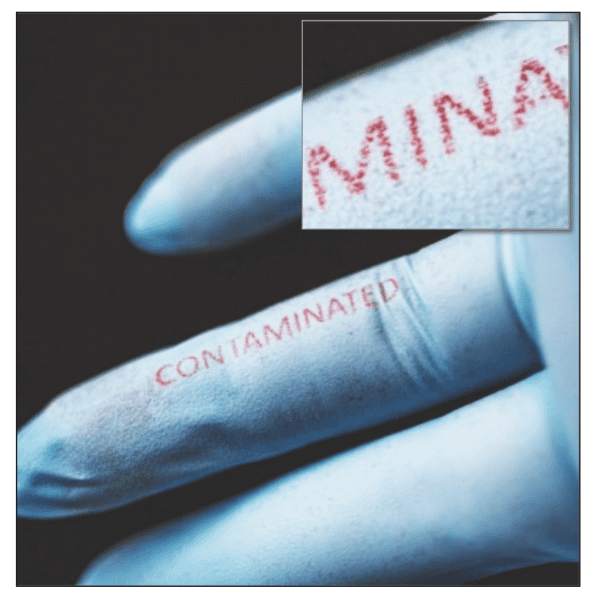
A new silk ink formulation provides a “bottom-up” approach to customized multifunction biomaterials.
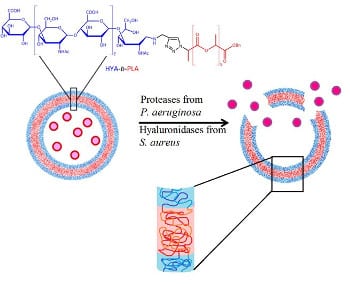
German researchers have developed dual enzyme-responsive polymeric capsules for bacterial enzyme sensing.
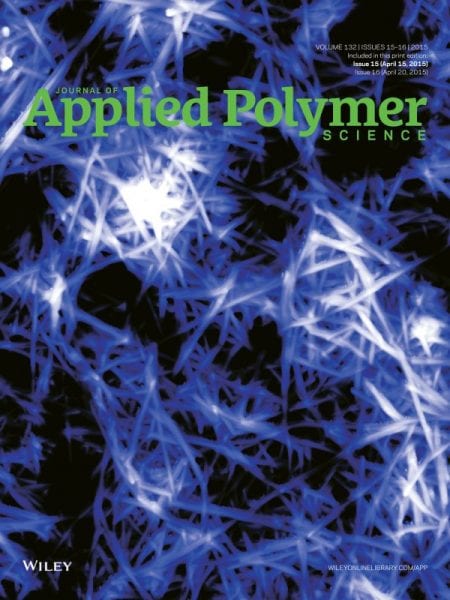
Dr. Mehdi Jorfi and Prof. E. Johan Foster review the applications of nanocellulose in various biomedical applications.
Researchers have combined self-assembled colloid monolayers and the dynamic shadowing growth technique to fabricate arrays of Swiss roll nanostructures.

 Micron-sized hidden dimensions could solve two of physics’ deepest puzzles
 Turning Periods into Power: Menstrual Blood a Valuable Resource for Medical Diagnostics
 Surfactants Steer Supraparticle Structure
 Bone loss in obesity traced to gut microbiota
 Edible electronics realize safe, complex monitoring devices
 Fermilab Confirms Muon g-2 Measurements