Researchers at Osaka University are helping to power portable sensors that do not use batteries by generating electricity from heat that is otherwise wasted.


Researchers at Osaka University are helping to power portable sensors that do not use batteries by generating electricity from heat that is otherwise wasted.
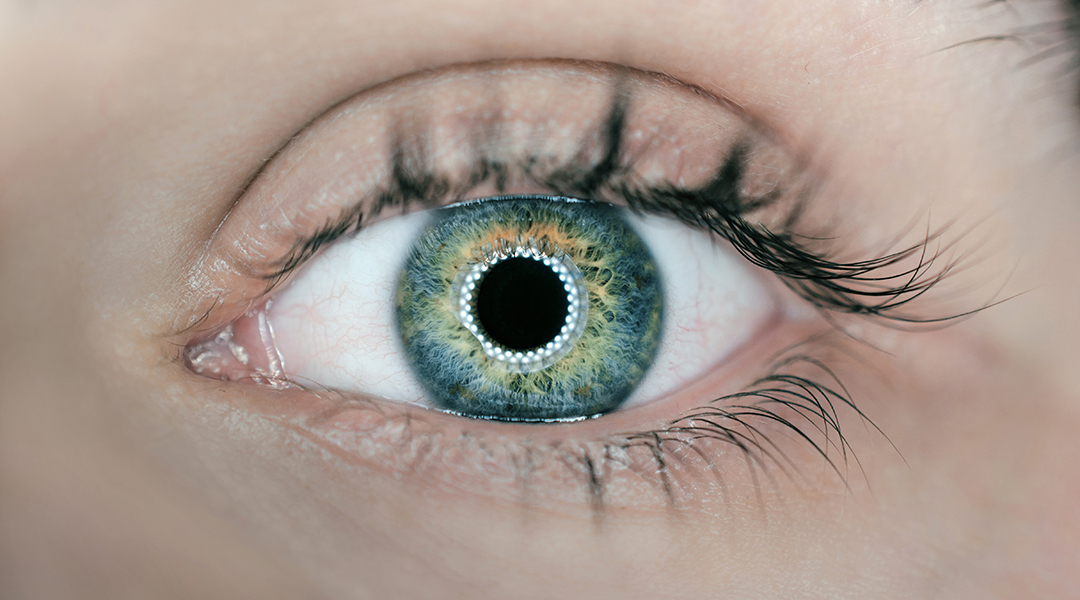
Smart contact lenses could revolutionize the way in which we monitor brain activity and diagnose neurological diseases.
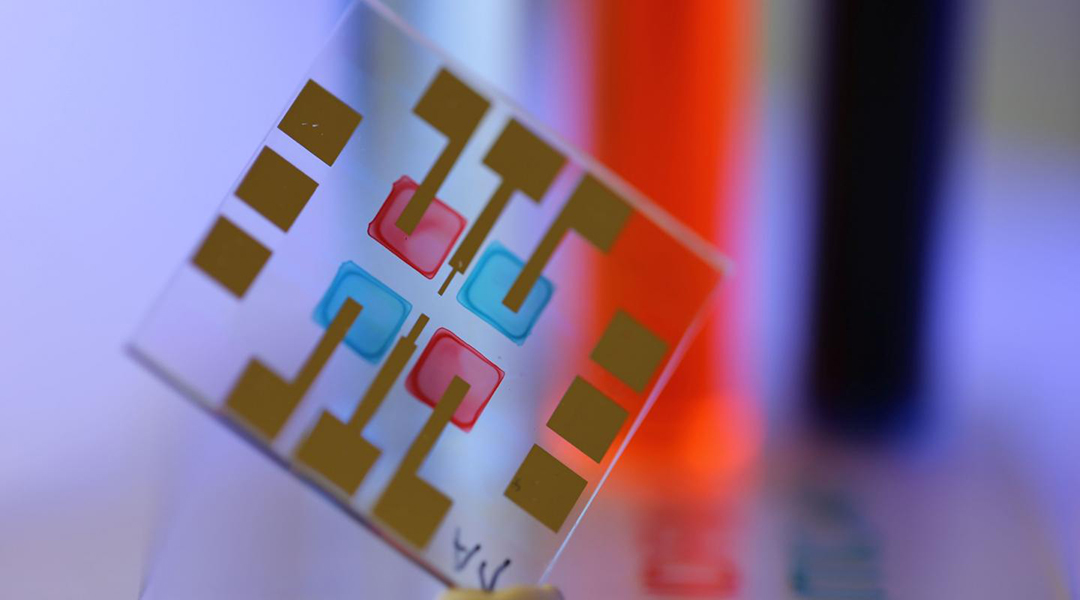
Color-selective organic light sensors are produced by inkjet printing with semiconducting inks.
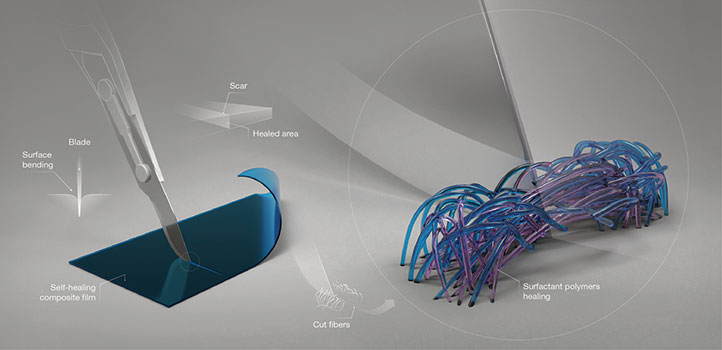
Sensors that are worn on the skin could soon be powered by our own body heat.
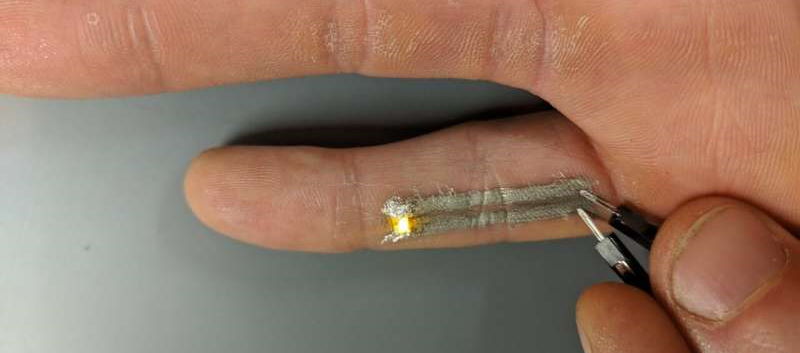
Scientists developed a fully print-in-place electronics technique that is gentle enough to work on surfaces as delicate as human skin.

Physically connecting various sensors into a single intelligent system could bring AI closer to the sensing capacity of living creatures.

A 0.2 mm thick sensor that can read fingerprints with incredible detail by detecting visible light reflected from the surface of the skin.

Body area networks based on near-field communication technology allow for inconspicuous medical sensing.

Reseachers from ICMAB present their aqueous electrolyte-gated organic transistors.

Reseachers from KAUST present their flexible and biofouling independent salinity sensors.
 New theory suggests gravity is not a fundamental force
 Higgs boson may be driving the Universe’s expansion
 Water-powered gadgets may be on the horizon thanks to new evaporation-based energy device
 Scientists discover a new class of antibiotics
 Micron-sized hidden dimensions could solve two of physics’ deepest puzzles
 A new type of dark matter could explain mysterious radiation from the Milky Way’s core