This is just the beginning, say scientists working on the new technology.


This is just the beginning, say scientists working on the new technology.

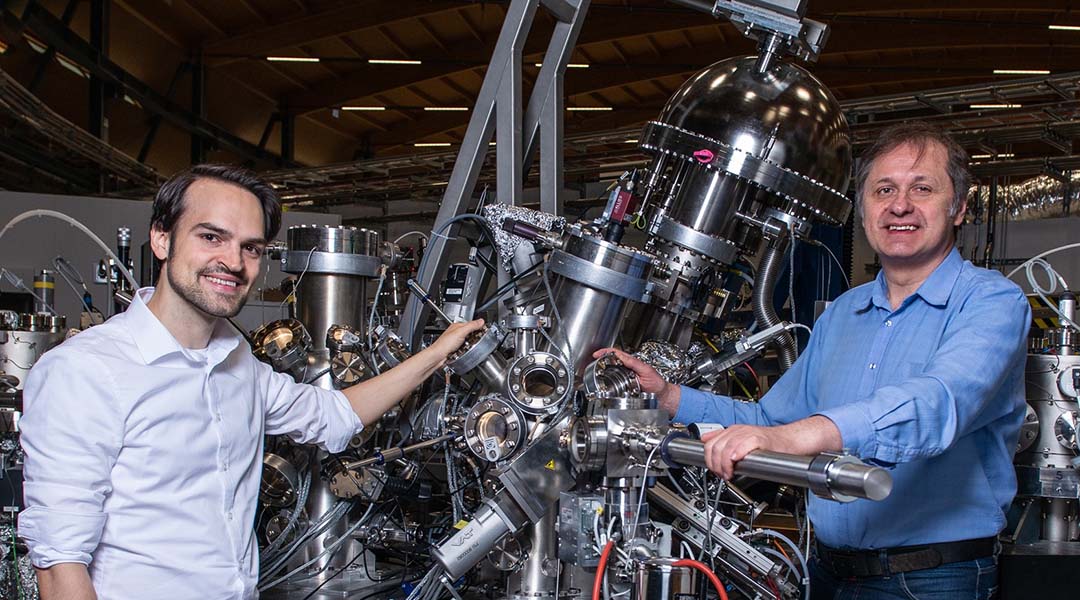
Scientists achieve groundbreaking room-temperature quantum coherence for 100 nanoseconds, propelling molecular qubits closer to practical quantum computing.
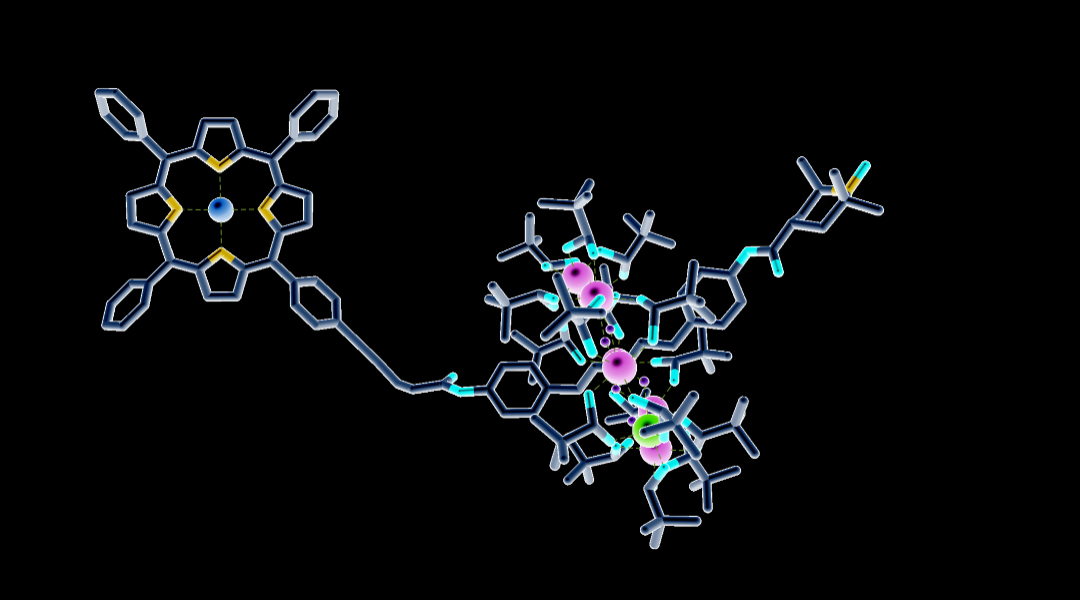
A molecular complex was built to contain three distinct qubits, offering an intriguing architecture for future quantum computers.
A new endeavor explores the idea of topological qubits that are easy to engineer for error-free quantum computing.
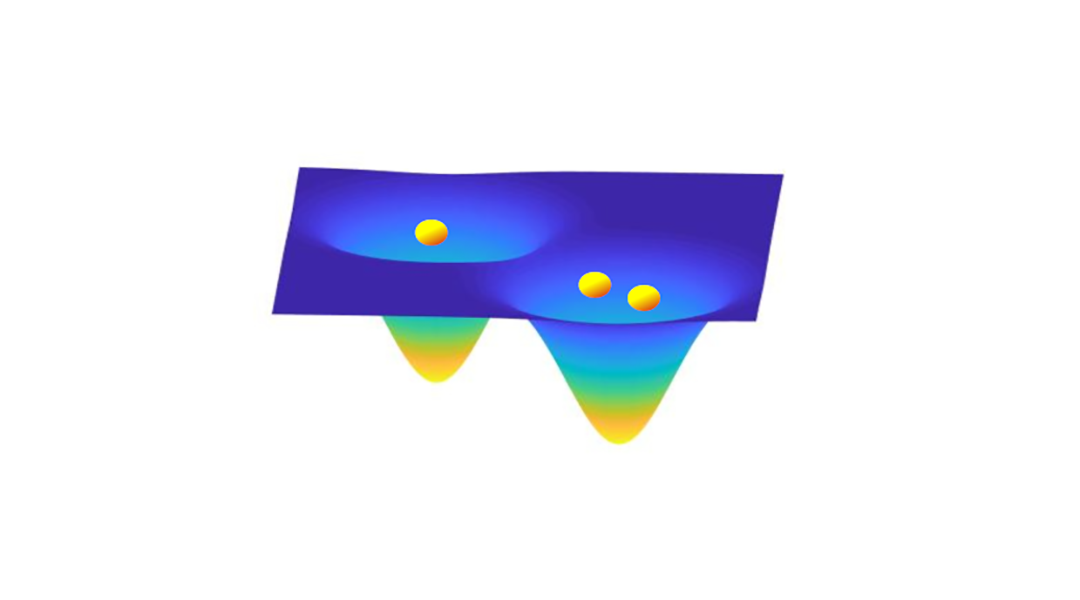
Predicting the experimental conditions that enhance coherence times for semiconducting quantum dot hybrid qubits.

Researchers have observed unusual patterns of heat flow inside quantum computers, revealing behaviors that defy classical thermodynamics.
Machine learning quickly and precisely diagnoses sources of noise in quantum computers.
Low-loss router based on an interferometer preserves polarization while directing single photons and entangled pairs.
Scientists created flexible probabilistic bits from custom polymers, offering a new, energy-efficient path for AI and machine learning using classical physics.

A new study targets feature selection, a key step in machine learning where the algorithm determines which parts of the input data are most relevant to making accurate predictions.

 Micron-sized hidden dimensions could solve two of physics’ deepest puzzles
 Turning Periods into Power: Menstrual Blood a Valuable Resource for Medical Diagnostics
 Kirigami-inspired neural probes are a cut above
 Immune resilience gene signature could hold the key to healthy aging
 Surfactants Steer Supraparticle Structure
 Bone loss in obesity traced to gut microbiota