This is just the beginning, say scientists working on the new technology.


This is just the beginning, say scientists working on the new technology.

A radical superconducting qubit design promises to extend their runtime by addressing decoherence challenges in quantum computing.

Scientists achieve groundbreaking room-temperature quantum coherence for 100 nanoseconds, propelling molecular qubits closer to practical quantum computing.
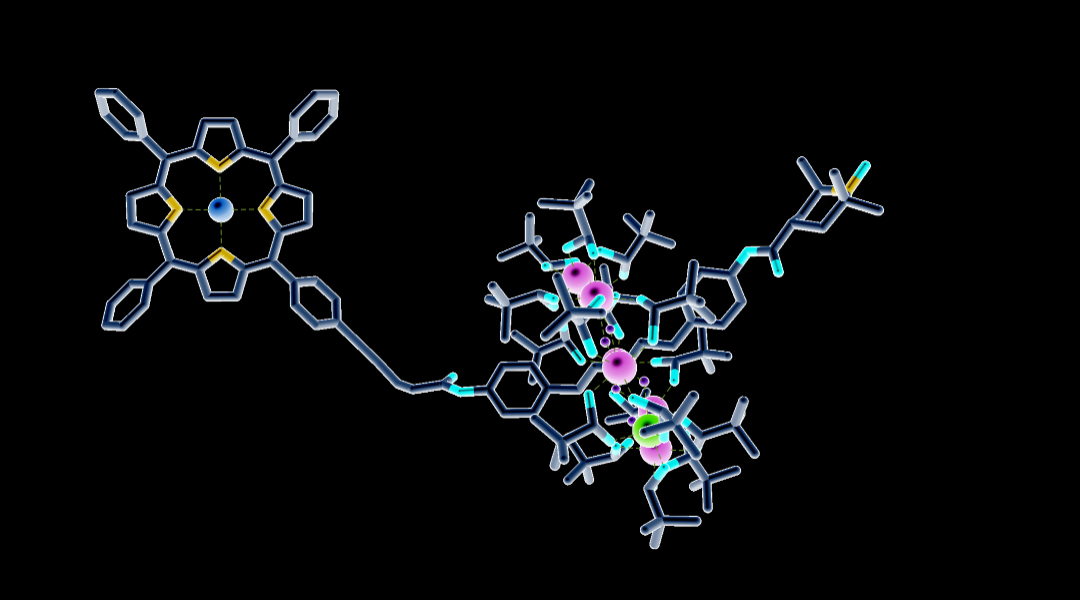
A molecular complex was built to contain three distinct qubits, offering an intriguing architecture for future quantum computers.
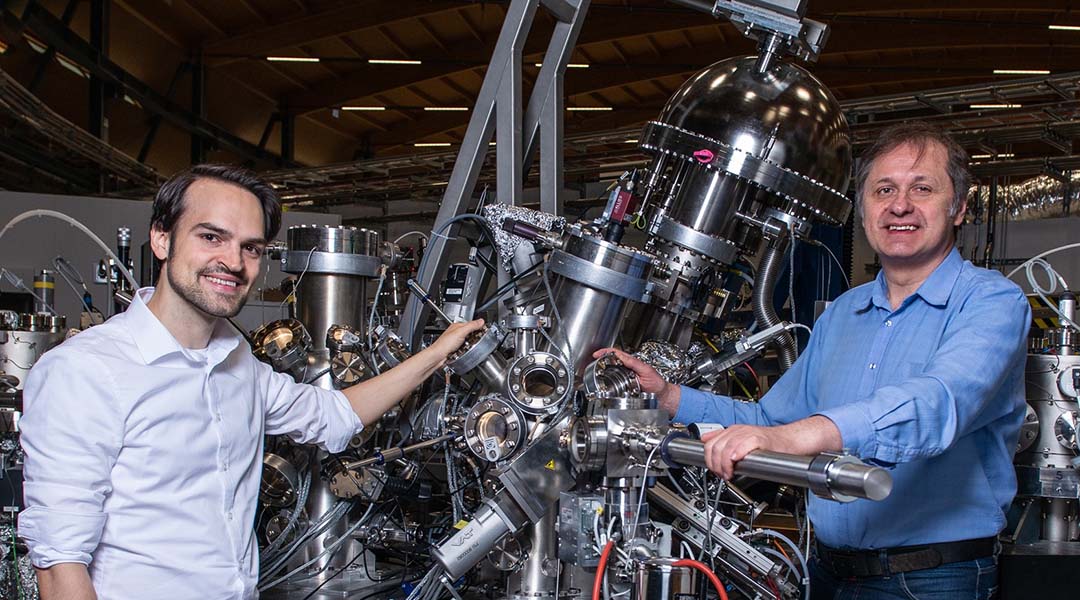
A new endeavor explores the idea of topological qubits that are easy to engineer for error-free quantum computing.
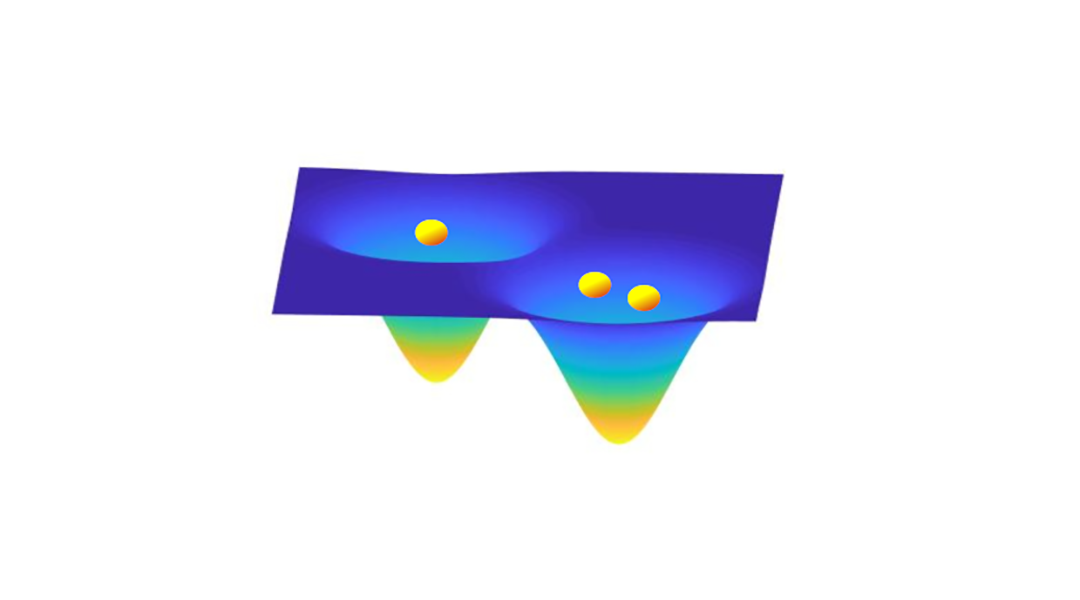
Predicting the experimental conditions that enhance coherence times for semiconducting quantum dot hybrid qubits.
Machine learning quickly and precisely diagnoses sources of noise in quantum computers.
Low-loss router based on an interferometer preserves polarization while directing single photons and entangled pairs.

Scientists created flexible probabilistic bits from custom polymers, offering a new, energy-efficient path for AI and machine learning using classical physics.

A new study targets feature selection, a key step in machine learning where the algorithm determines which parts of the input data are most relevant to making accurate predictions.
 New theory suggests gravity is not a fundamental force
 Higgs boson may be driving the Universe’s expansion
 Water-powered gadgets may be on the horizon thanks to new evaporation-based energy device
 Scientists discover a new class of antibiotics
 Micron-sized hidden dimensions could solve two of physics’ deepest puzzles
 A new type of dark matter could explain mysterious radiation from the Milky Way’s core