Researchers at Rutgers University have developed a method to generate an entire library of safe quantum dots quickly and efficiently.
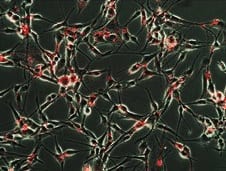

Researchers at Rutgers University have developed a method to generate an entire library of safe quantum dots quickly and efficiently.
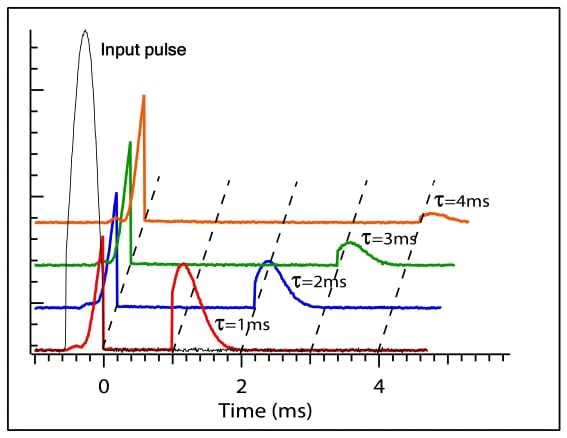
One of the exciting potential applications of electromagnetically induced transparency and slow and stored light is for practical realization of quantum memory, and, ultimately, quantum computing. Recent advances using ensembles of warm atoms in vapor cells have been made.
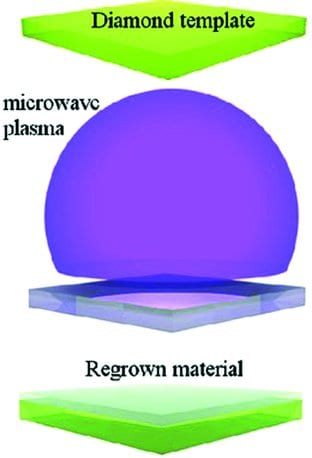
By using microwave CVD, high quality, single crystal diamond membranes have been epitaxially grown. The resulting material exhibits bright luminescence and good electron spin coherences times, suitable for application in quantum computing.
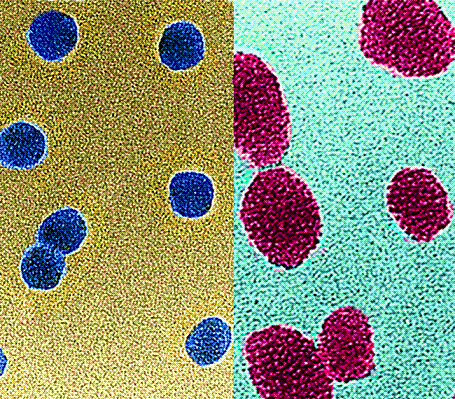
Ultrabright Fluorescent Mesoporous Silica Nanoparticles
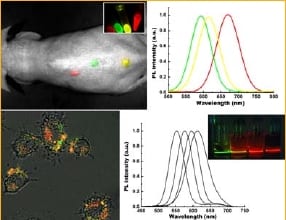
An international team of researchers review a useful tool for three dimensional multi-photon microscopy and imaging
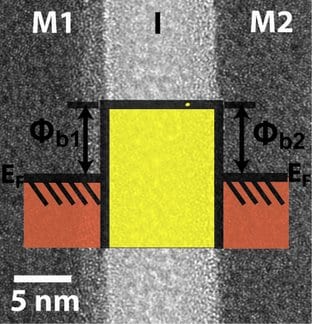
Researchers at Oregon State University develop cutting edge metal-insulator-metal diodes, harnessing quantum tunneling of electrons to increase performance of electronics.
Materials scientists from the USA have made a thin layer of quantum dots on a photonic crystal surface, thereby creating a stable material with enhanced emission properties.
Progress in using quantum dots for in vivo imaging: for the first time, a systematic biodistribution study of silica-coated quantum dots is reported.

A matrix-driven approach enables strong white light emission using a flexible substrate.

Extra dimensions at the microscale could be tested experimentally within 3-5 years.

 Micron-sized hidden dimensions could solve two of physics’ deepest puzzles
 Turning Periods into Power: Menstrual Blood a Valuable Resource for Medical Diagnostics
 Kirigami-inspired neural probes are a cut above
 Immune resilience gene signature could hold the key to healthy aging
 Surfactants Steer Supraparticle Structure
 Bone loss in obesity traced to gut microbiota