A one-step synthesis of ammonia without thermal, electrical, or solar input could help replace energy-intensive Haber Bosch.
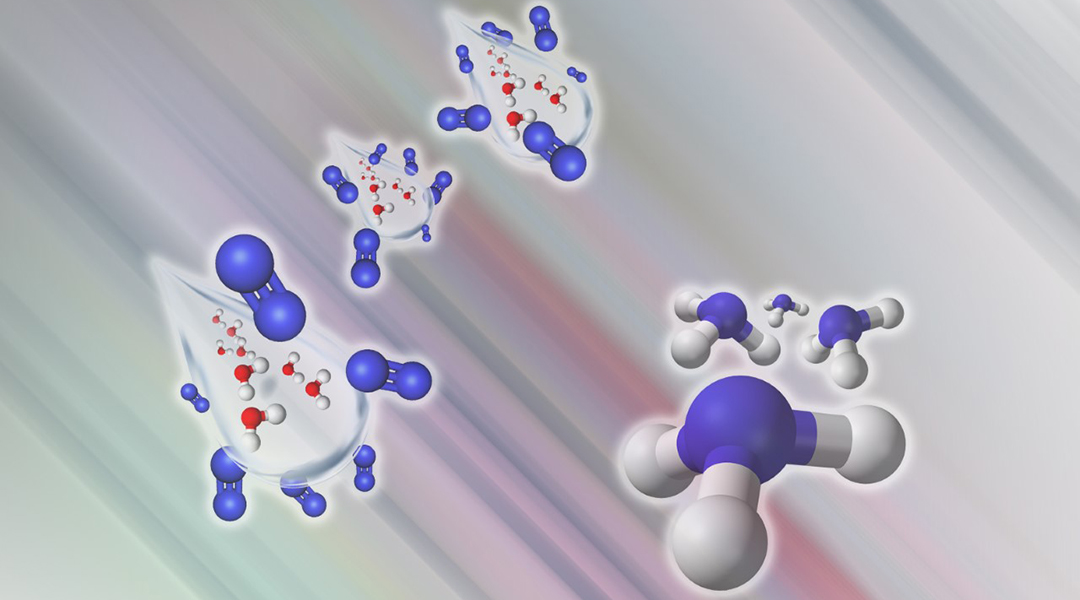

A one-step synthesis of ammonia without thermal, electrical, or solar input could help replace energy-intensive Haber Bosch.

Astronomers have observed neutron stars that emit more energy than is theoretically possible, and now an explanation might be in the works.

A new study proposes a technique to print images on a special surface such that they can only be seen by authorized recipients.

A new study evaluates gravity using string theory, a promising candidate for describing particle interactions at their most fundamental level.

A biocomputer built from connected heart cells solves computational problems with high accuracy and at a low computational cost.

Splitting water with light via photocatalysis to create hydrogen could help reach net zero emission goals if the process can be scaled up.
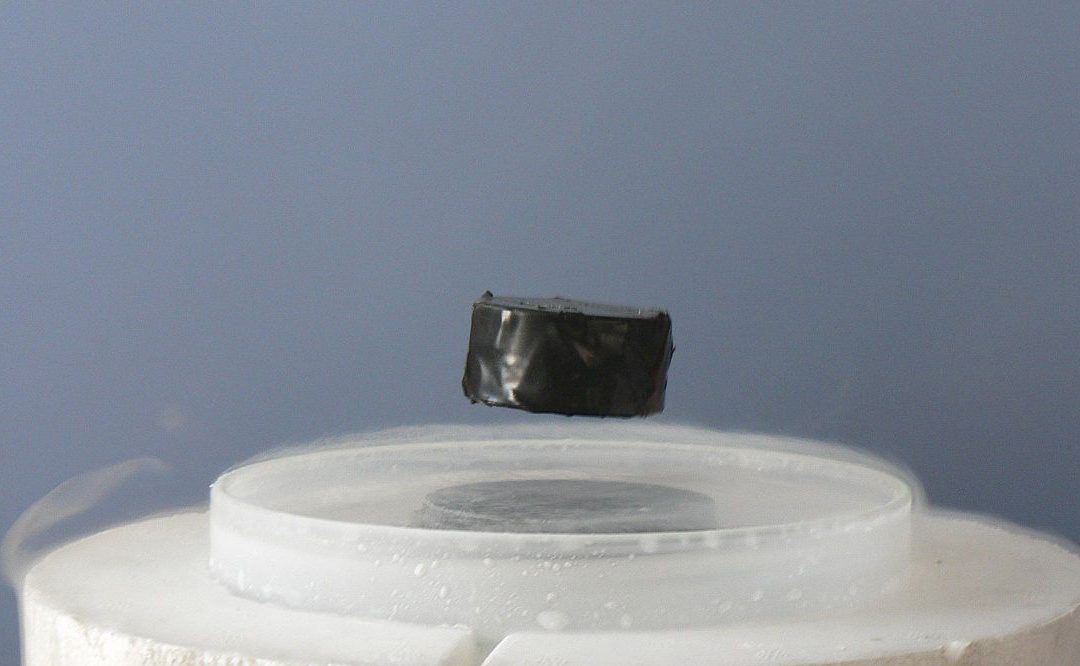
Understanding room temperature superconductivity one step closer thanks to researchers looking at the effects of pressure.
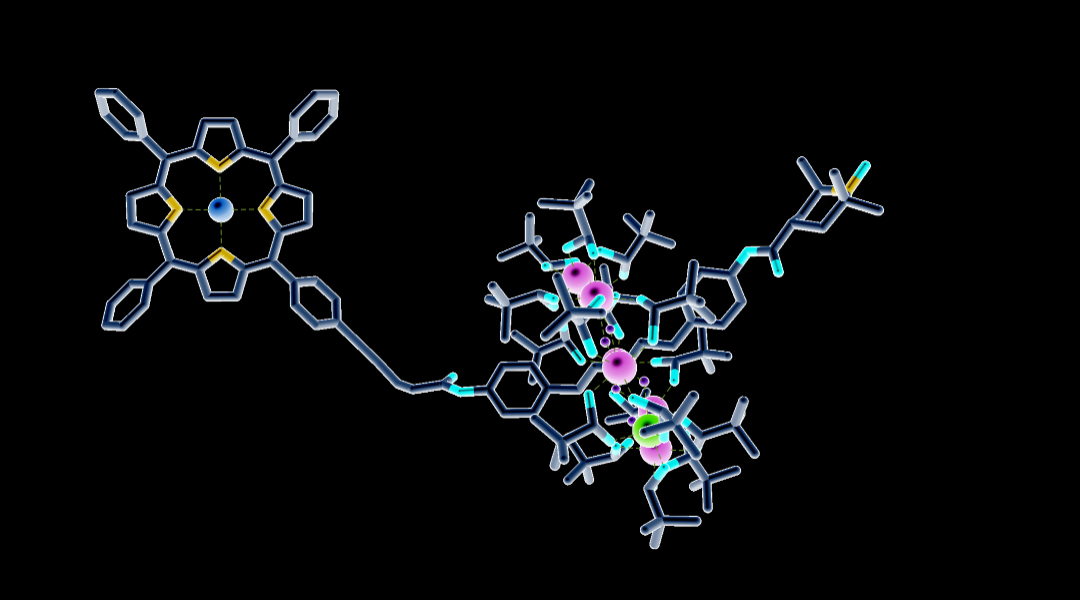
A molecular complex was built to contain three distinct qubits, offering an intriguing architecture for future quantum computers.

A new experimental technique could push the capabilities of particle accelerators in exploring the subatomic world.

Automated molecule design through machine learning helps scientists identify and synthesize a new polymer electrolyte for lithium-ion batteries.

 Micron-sized hidden dimensions could solve two of physics’ deepest puzzles
 Turning Periods into Power: Menstrual Blood a Valuable Resource for Medical Diagnostics
 Surfactants Steer Supraparticle Structure
 Bone loss in obesity traced to gut microbiota
 Edible electronics realize safe, complex monitoring devices
 Fermilab Confirms Muon g-2 Measurements