At the interface of light and matter, Natalie Banerji is using spectroscopy to advance technologies such as solar cells and bioelectronics.
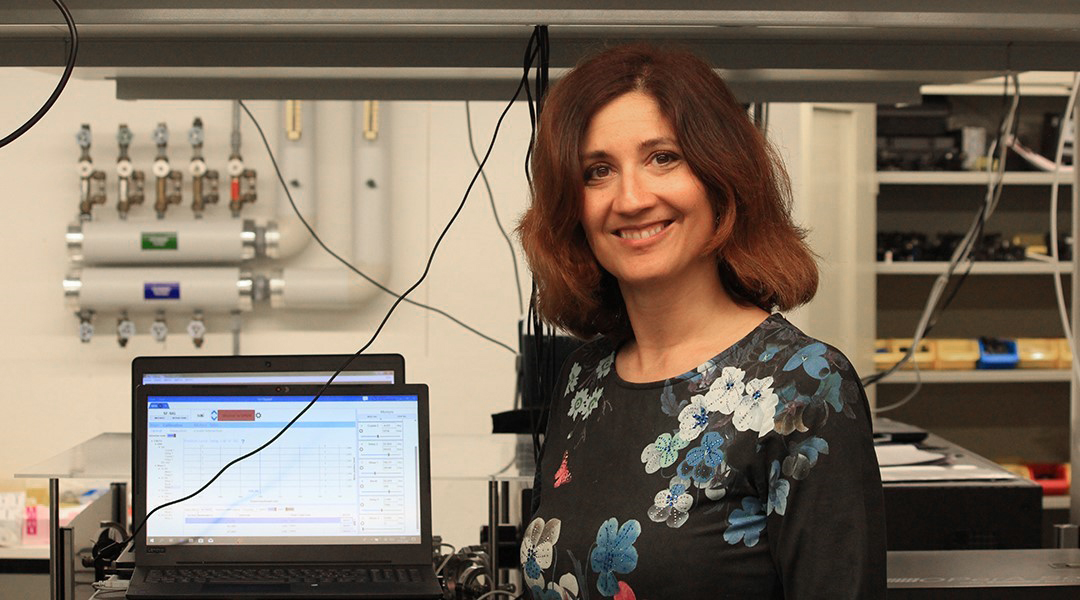

At the interface of light and matter, Natalie Banerji is using spectroscopy to advance technologies such as solar cells and bioelectronics.
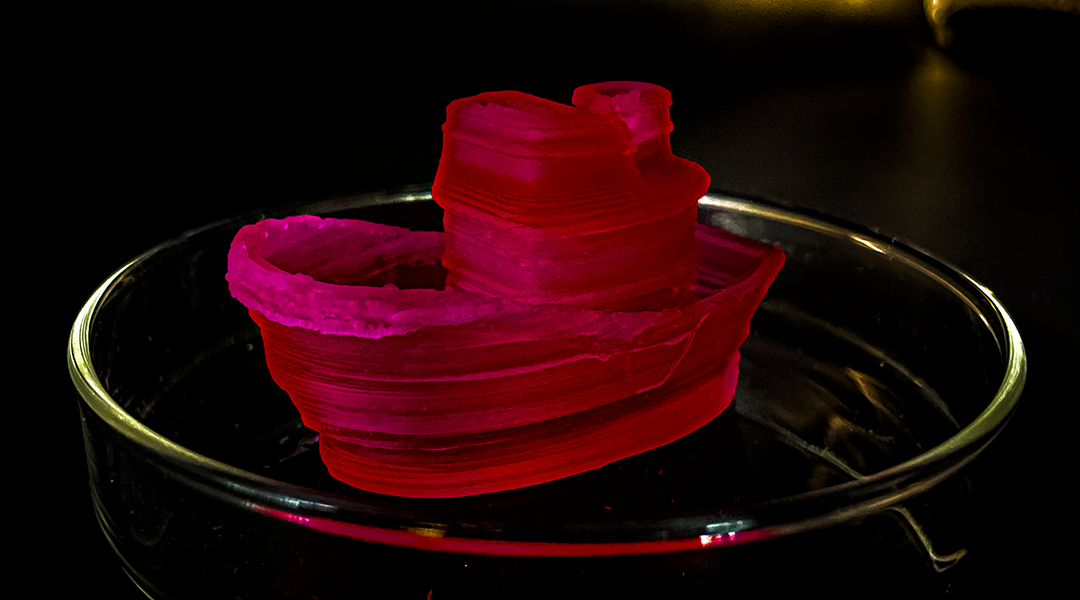
Researchers have created stiff, recyclable hydrogels that can be broken down into their base components and reshaped on demand.
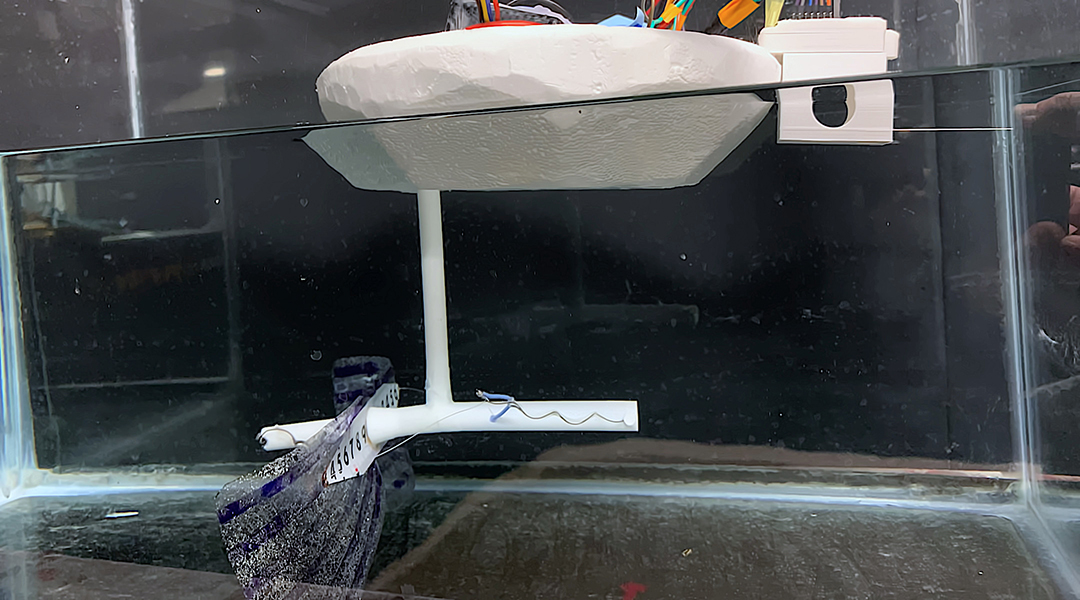
A robotic swimmer that mimics the movement of octopuses could help researchers better monitor aquatic environments remotely and in real time.

Using stimuli-responsive hydrogels with regularly arranged colloidal particles, researchers create color-changing microrobots that can freely explore and gather information.

A new study identifies that magnesium hydrosilicate, a compound present during the Earth’s formation, may be responsible for our planet’s abundant water.
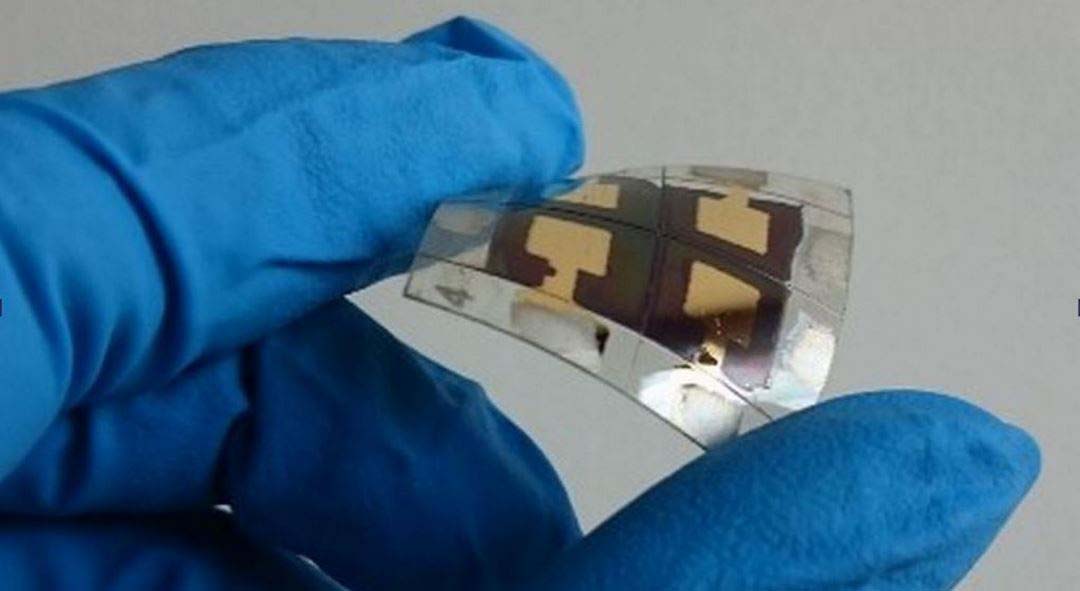
A new ink deposition method simplifies a complicated process for creating efficient perovskite solar cells.
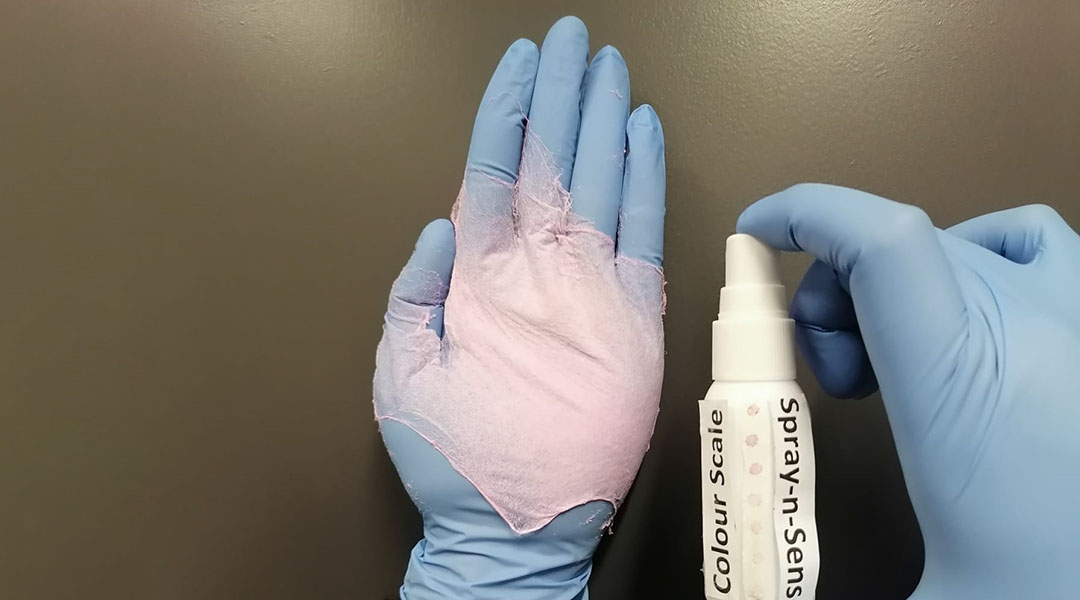
An innovative chemical sensor design could make environmental monitoring in the field more efficient and effective.
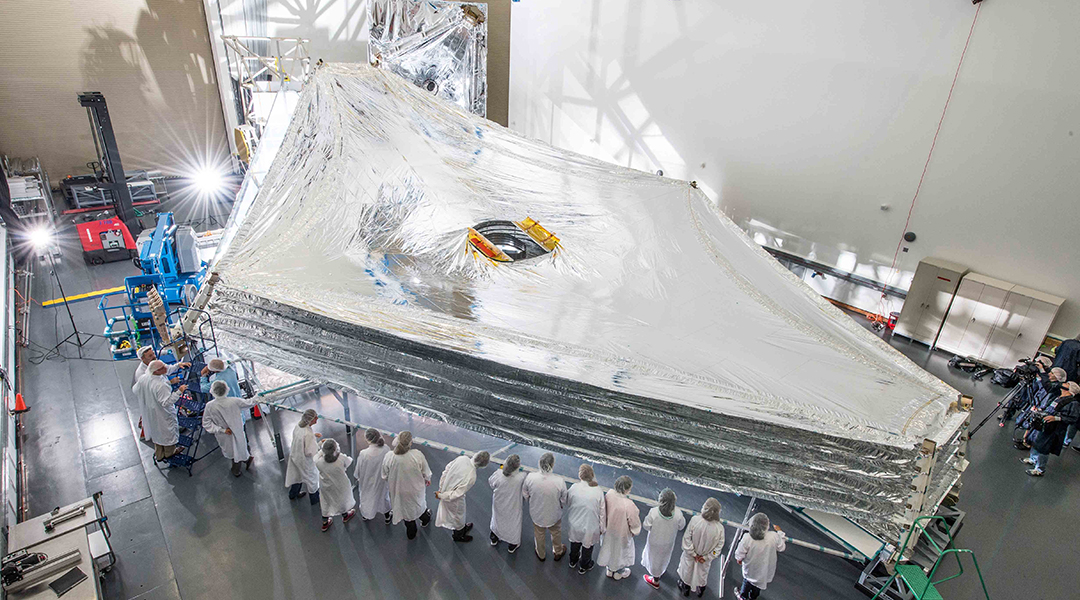
Webb team successfully deploys 70ft sunshield in key launch milestone for the spacecraft’s operations.
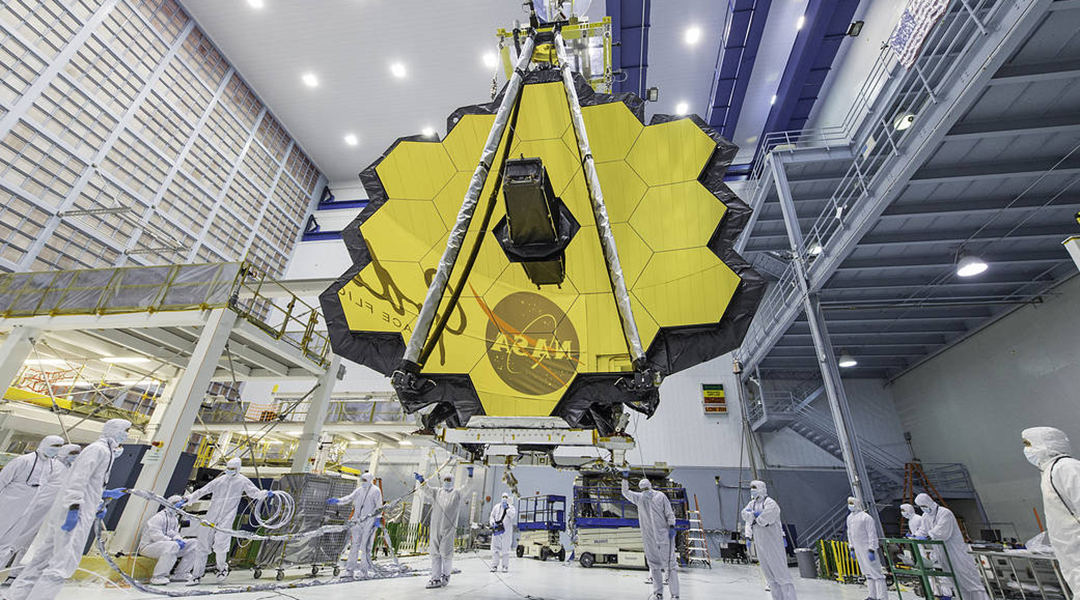
The new James Webb Space Telescope will collect infrared light from distant corners of the cosmos, enabling scientists to see further than ever before.
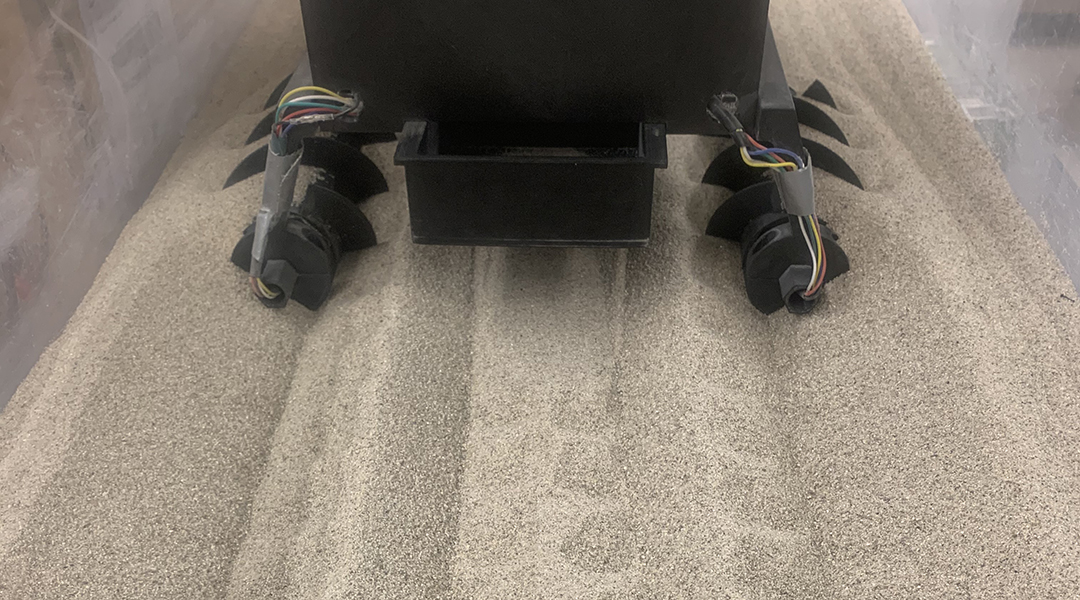
Robots that drive on screws can simultaneously dig up space regolith while anchoring the craft in low-gravity environments.
 New theory suggests gravity is not a fundamental force
 Higgs boson may be driving the Universe’s expansion
 Water-powered gadgets may be on the horizon thanks to new evaporation-based energy device
 Scientists discover a new class of antibiotics
 Micron-sized hidden dimensions could solve two of physics’ deepest puzzles
 Turning Periods into Power: Menstrual Blood a Valuable Resource for Medical Diagnostics