Atom-thick layers of platinum supported by graphene could provide cost-effective fuel cell catalysts with unprecedented catalytic activity and longevity.


Atom-thick layers of platinum supported by graphene could provide cost-effective fuel cell catalysts with unprecedented catalytic activity and longevity.
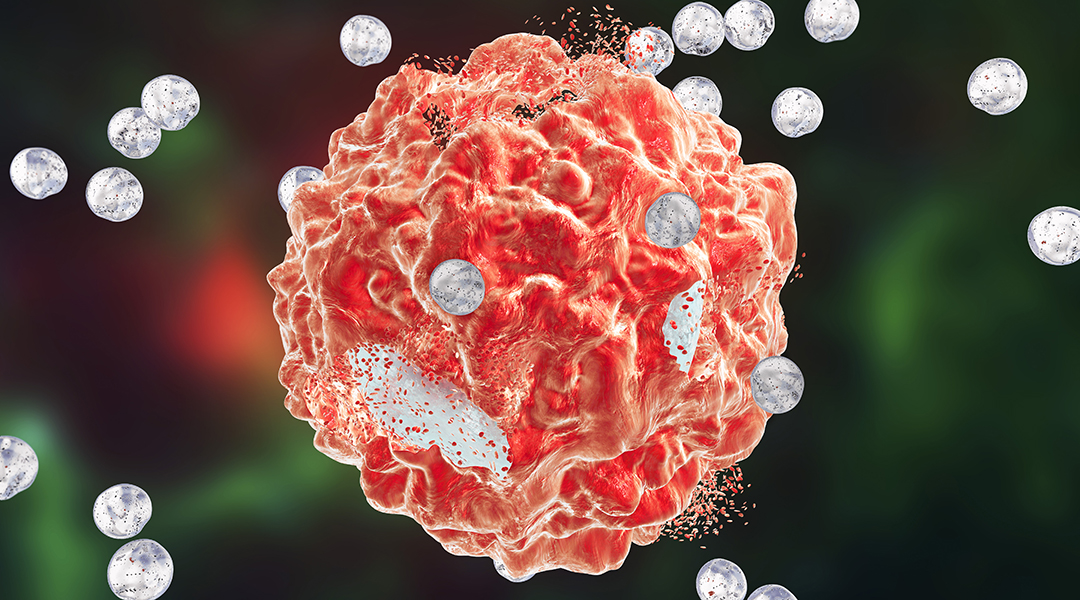
Nanotechnology has emerged as an innovative tool in medicine that could alter the landscape in relation to disease treatment and prevention.

Improving the eye’s ability to detect light in the near-infrared region could do more than help humans see in the dark.

A hanging model for solar‐enabled evaporation of seawater desalination.
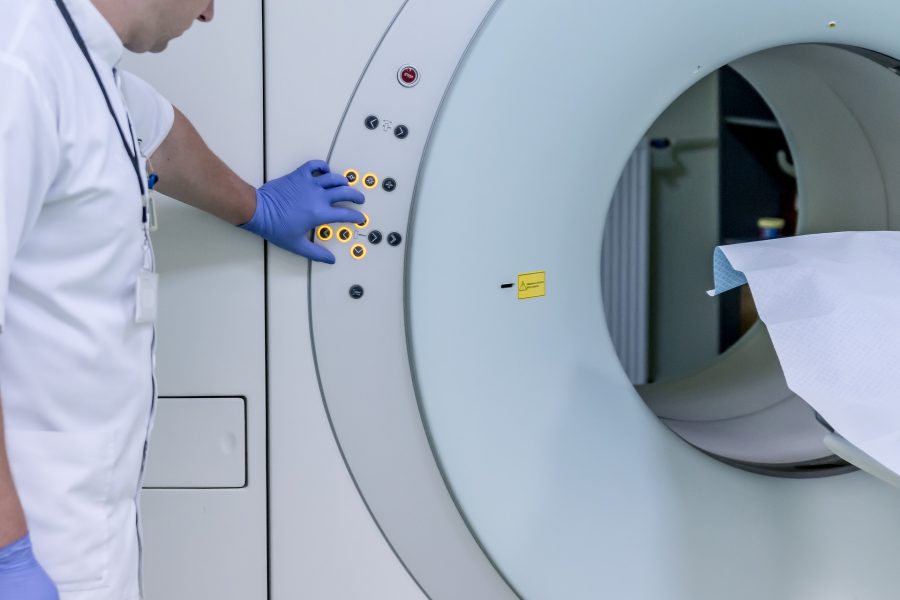
Nanoparticle-based gadolinium contrast agents to improve the safety of MRIs.

Complex self-sorting, as seen in nature, is mimicked here using a non-invasive light-triggered system to induce self-sorting of colloidal nanoparticles.

A green, renewable, and environmentally friendly strategy to remove toxic dye from wastewater.

Nanoparticles can be used to destroy a common bacterial defense mechanism.
![A Platinum-Free HER Catalyst with Platinum-Like Activity [Video]](https://www.advancedsciencenews.com/wp-content/uploads/2019/08/FeatureImage_ASN.jpg)
Trimolybdenum phosphide nanoparticle catalysts show remarkable performance while still being cost-effective.

At the core, this WIREs Nanomedicine & Nanobiotechnology review argues that innovators sought to deal with these uncertainties by building upon approved technologies, favoring scientifically crowded fields.
 New theory suggests gravity is not a fundamental force
 Higgs boson may be driving the Universe’s expansion
 Water-powered gadgets may be on the horizon thanks to new evaporation-based energy device
 Scientists discover a new class of antibiotics
 Micron-sized hidden dimensions could solve two of physics’ deepest puzzles
 A new type of dark matter could explain mysterious radiation from the Milky Way’s core