A new technology developed at MIT may help to make biomarker detection, and cancer diagnostics, much easier.
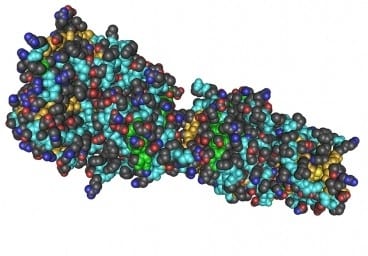

A new technology developed at MIT may help to make biomarker detection, and cancer diagnostics, much easier.
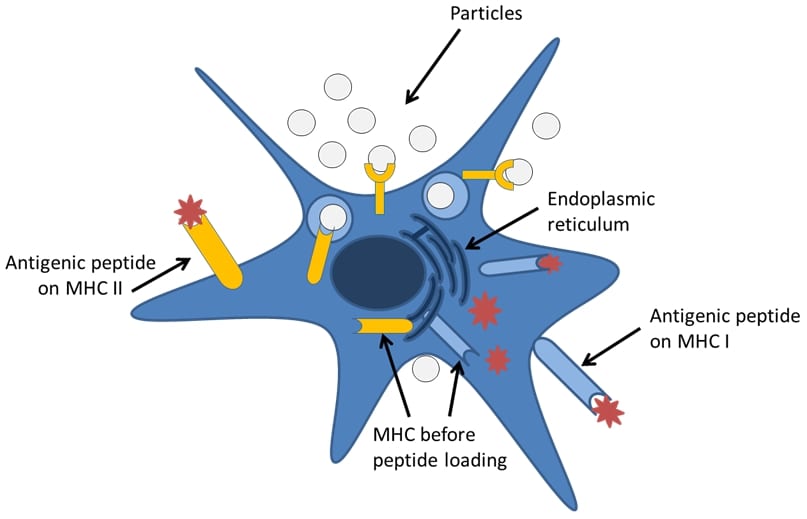
Polymer nano- and microparticles can be used to develop new vaccines for disorders such as cancer and HIV.
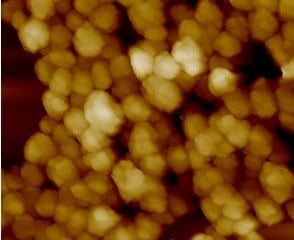
Naturally occurring bioactive nanoparticles derived from a carnivorous fungus could have potential for application in cancer therapy.
Research team in the US have reported promising findings on the potential for nanotechnology to deliver chemotherapeutic agents.
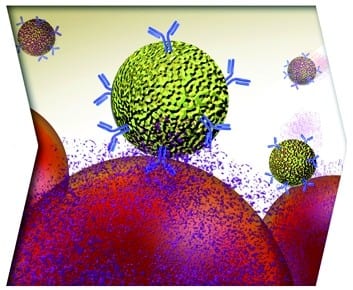
Silicon nanoparticles functionalised with antibodies have been shown to efficiently kill cancer cells in vitro.
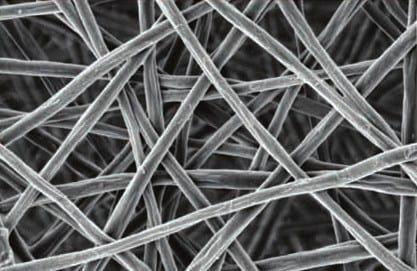
The Helmholtz-University Young Investigators Group has developed a membrane that can be used for filtering small organisms or viruses from water.
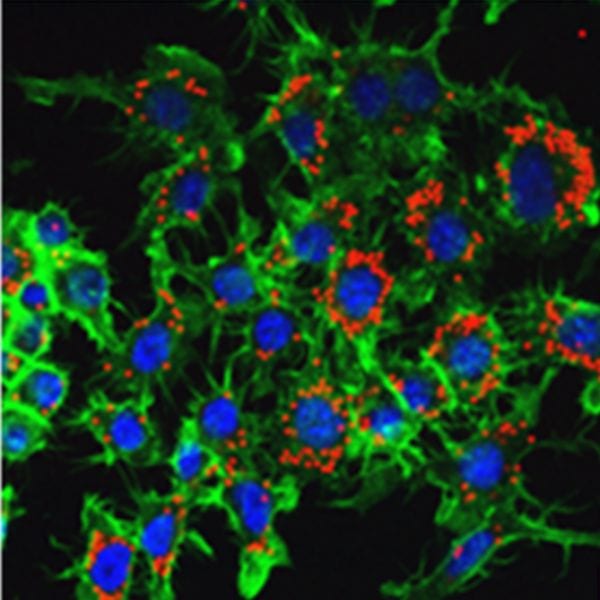
Scientists in China and Australia identify the factors that determine the risk of fetal exposure to nanoparticles.
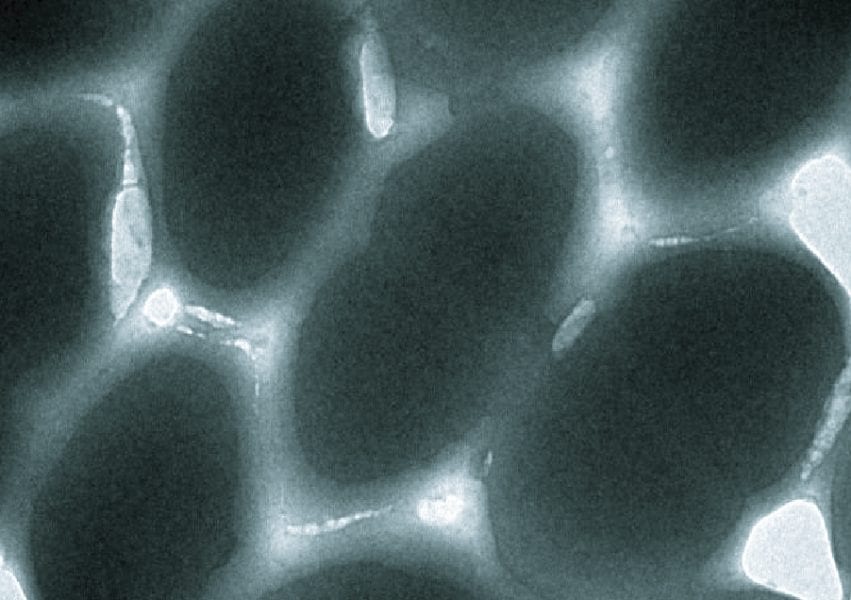
Group reports the broad-spectrum bactericidal activity of a gold nanoparticle-polythiophene composite on pathogenic bacteria.
Researchers have found that the pharmacokinetic profiles of gold nanoparticles indicate the blood concentration kinetics.
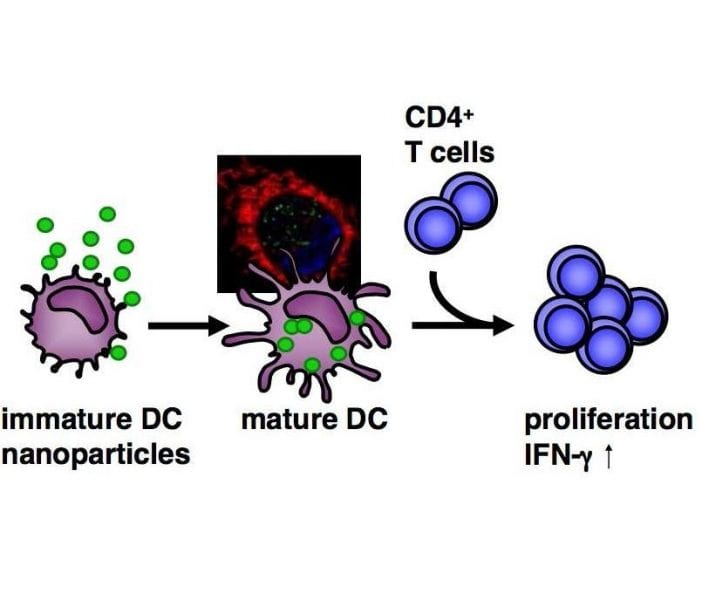
Functionalized polystyrene nanoparticles are analyzed for their interaction with human monocyte-derived dendritic cells.

 Micron-sized hidden dimensions could solve two of physics’ deepest puzzles
 Turning Periods into Power: Menstrual Blood a Valuable Resource for Medical Diagnostics
 Bone loss in obesity traced to gut microbiota
 Surfactants Steer Supraparticle Structure
 Edible electronics realize safe, complex monitoring devices
 Fermilab Confirms Muon g-2 Measurements