Professor Geoffrey Ozin discusses the safe and responsible development, production, use, transportation, and disposal of nanoparticles in existing or emerging nanotechnologies.
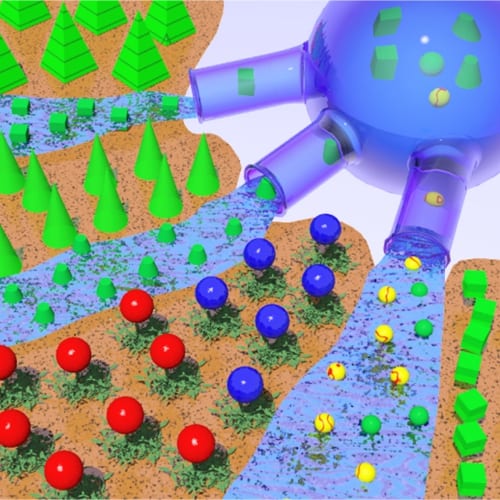

Professor Geoffrey Ozin discusses the safe and responsible development, production, use, transportation, and disposal of nanoparticles in existing or emerging nanotechnologies.
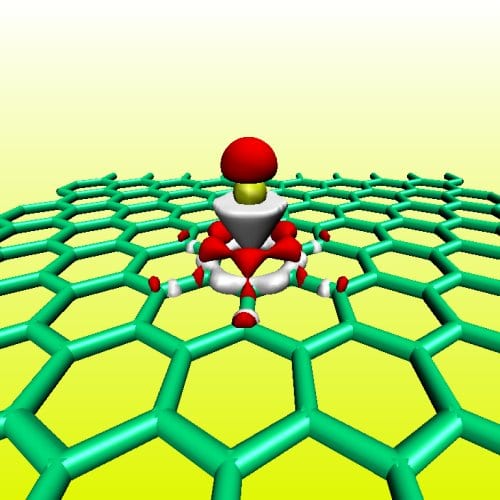
Aluminum clusters move along graphene tracks, controlled by applied electric currents, in work by Spanish and Dutch researchers.
How can nanomaterials make a difference in the grand challenge: efficient and green global scale production, storage and use of energy? Professor Geoffrey Ozin from the University of Toronto gives his response to this question.
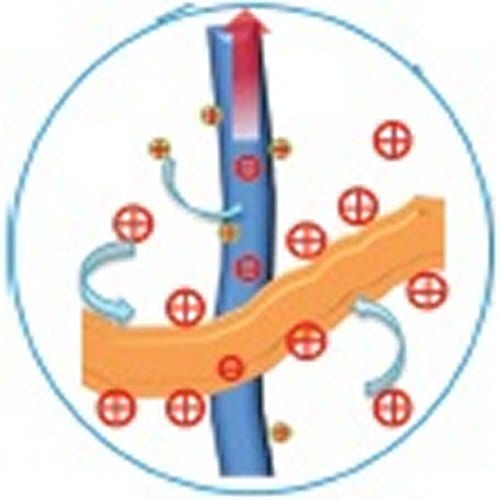
A supercapacitor with high power and energy density is made using nanocomposites containing carbon nanotubes.
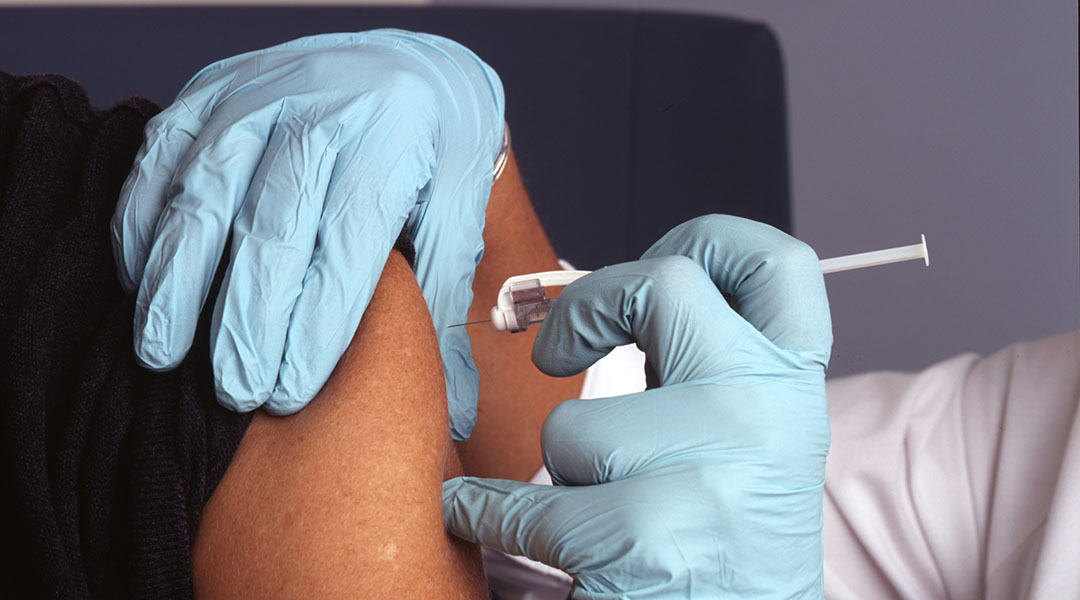
The quasi-vaccine could help healthcare workers weather a virus outbreak in the future.
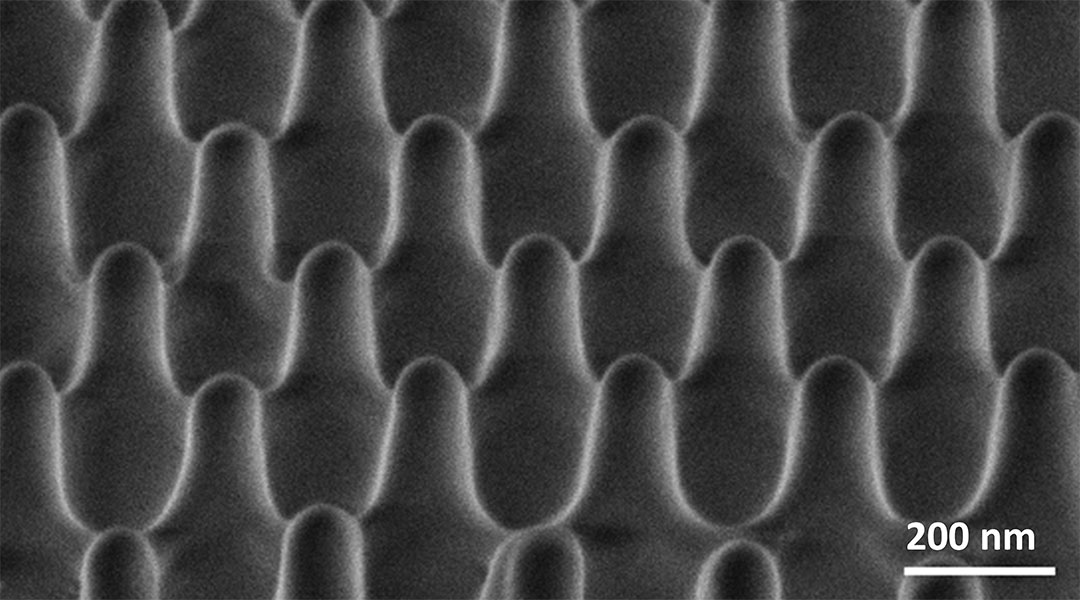
Scientists are using nanomaterials to pressure bacteria and find new ways to combat antibiotic resistance.

Engineering mineral rich dust and releasing it as an aerosol could warm the planet and kickstart the thickening of the atmosphere.

Nanoparticles disrupted the placenta’s secretion of biomolecules essential for blood vessel growth, hormone production, and immune function.

Dive into the mesmerizing world of sharks and rays, where vibrant blues emerge through never-before-seen structural colors.

Using a mineral found naturally on Mars, energy and electronics could be easily and sustainably produced on site.
 New theory suggests gravity is not a fundamental force
 Higgs boson may be driving the Universe’s expansion
 Water-powered gadgets may be on the horizon thanks to new evaporation-based energy device
 Scientists discover a new class of antibiotics
 Micron-sized hidden dimensions could solve two of physics’ deepest puzzles
 A new type of dark matter could explain mysterious radiation from the Milky Way’s core