Extra time dimensions provide scientists with a new way to think about phases of matter for more stable qubits and robust quantum computers.
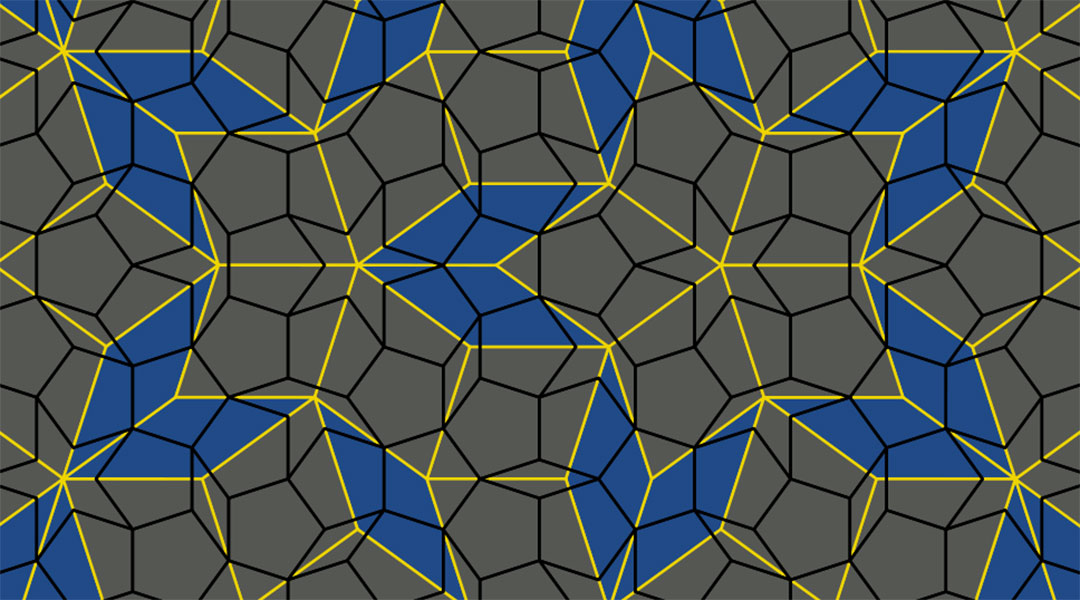

Extra time dimensions provide scientists with a new way to think about phases of matter for more stable qubits and robust quantum computers.
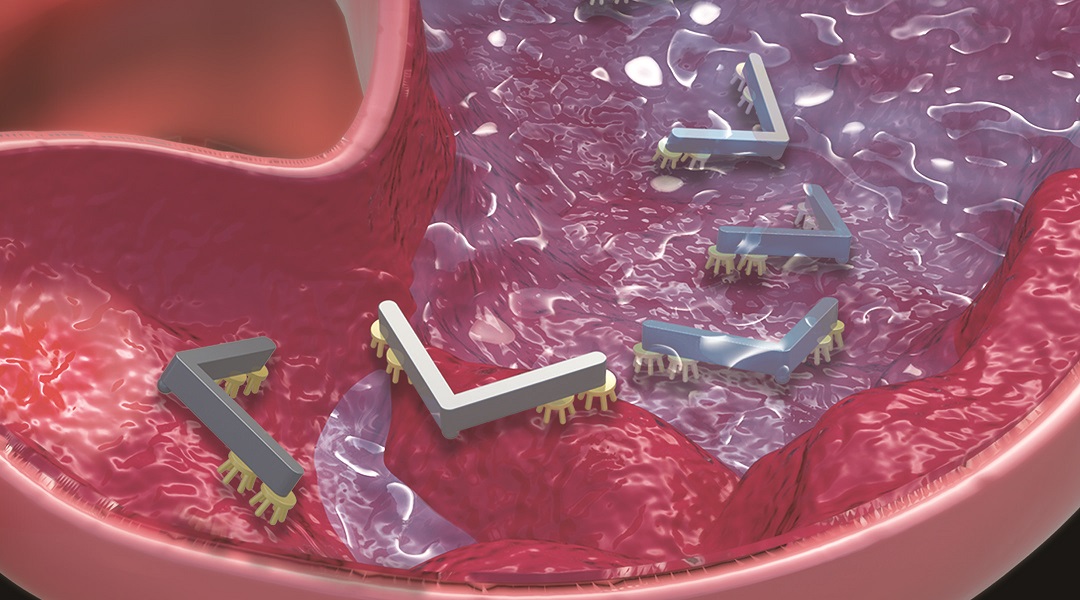
Microrobots dubbed “microwalkers” can both swim and walk, allowing them to transverse challenging biological environments.
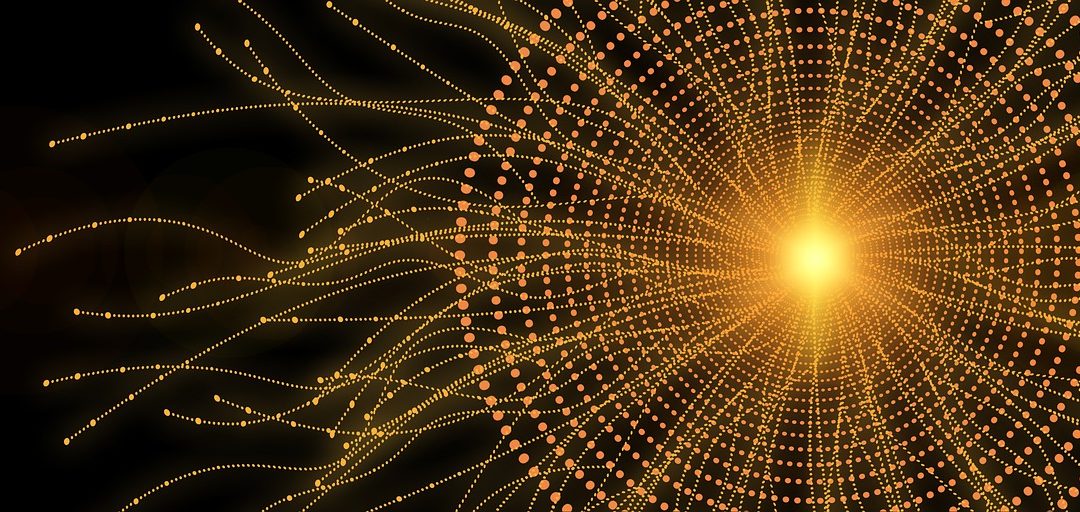
Researchers take a different approach to machine learning to uncover the physics of optics in composite materials.
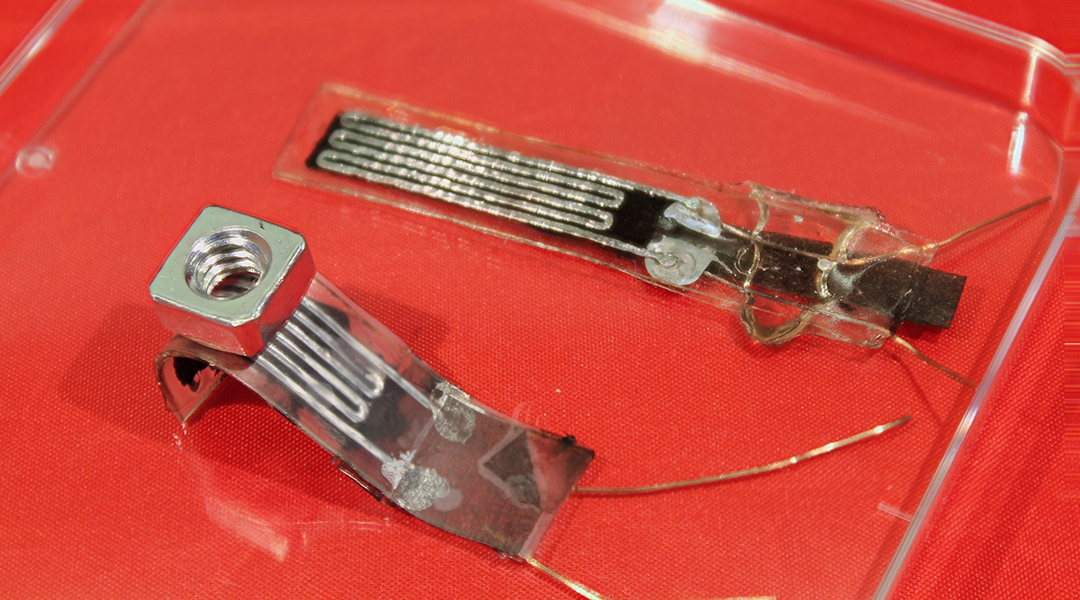
A new surface treatment enhances the adhesion of double-sided tape to make stickier tapes for soft electronics.

Using light-based polymerization, researchers have reduced the amount of time needed to 3D print certain medicines from minutes to seconds.

Disinfecting nanobots could be the key to preventing the failure of root canal fillings post-treatment.
At the interface of light and matter, Natalie Banerji is using spectroscopy to advance technologies such as solar cells and bioelectronics.
Roughly 70% of neon produced in the world is used in semiconductor chip manufacturing, and supply chain issues might cause big disruptions.
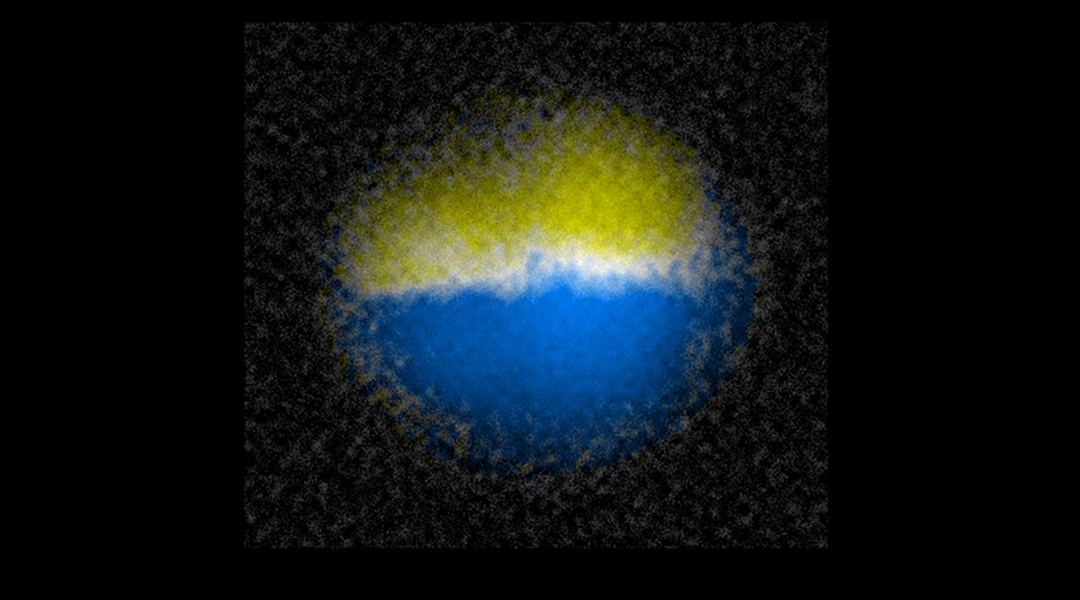
Researchers have discovered how to create and manipulate a quantum object called a “domain wall”, which exhibits particle-like properties.

Physicists hope to detect asymmetry in spinning black holes using NASA’s LISA telescope to finally provide proof of quantum gravity.
 New theory suggests gravity is not a fundamental force
 Higgs boson may be driving the Universe’s expansion
 Water-powered gadgets may be on the horizon thanks to new evaporation-based energy device
 Scientists discover a new class of antibiotics
 Micron-sized hidden dimensions could solve two of physics’ deepest puzzles
 A new type of dark matter could explain mysterious radiation from the Milky Way’s core