A microfluidic mixing platform creates 3D hydrogels systems with patterns of cell and matrix constituents inspired by native hematopoietic stem cell niches.
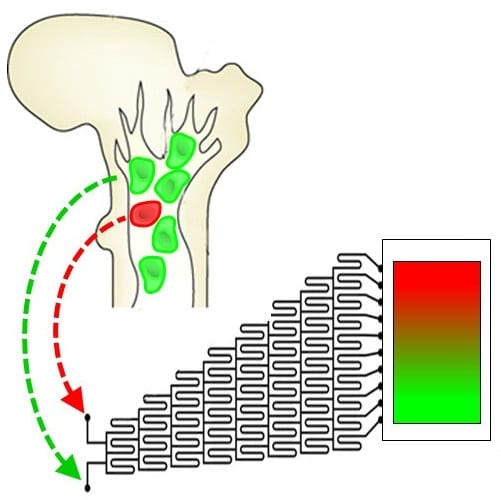

A microfluidic mixing platform creates 3D hydrogels systems with patterns of cell and matrix constituents inspired by native hematopoietic stem cell niches.
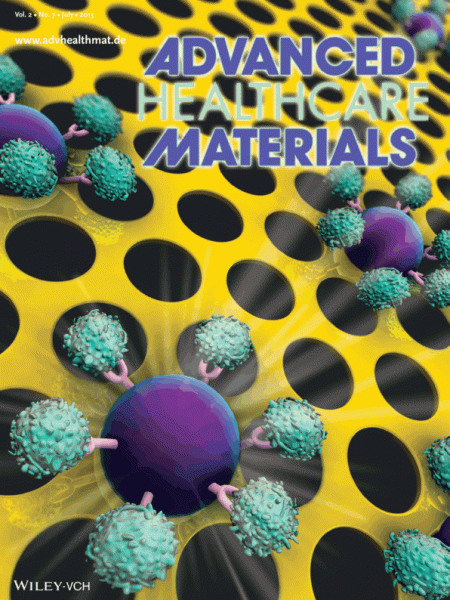
An integrated microfluidic immunophenotyping platform has been developed by Assistant Professor Jianping Fu, Professor Katsuo Kurabayashi, and co-workers.
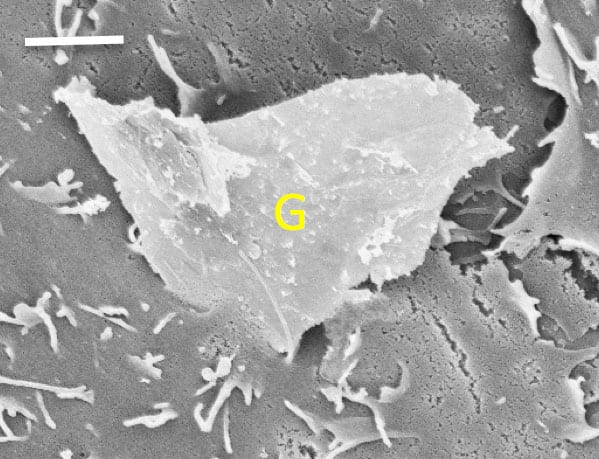
New research adds to knowledge of potential toxicity of nanomaterials.
Polymer film that gradually releases DNA coding for viral proteins could offer a better alternative to traditional vaccines.
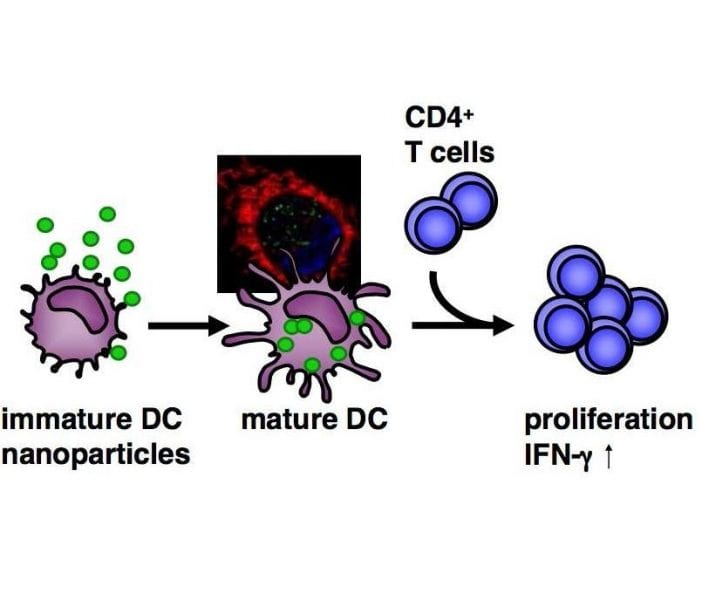
Functionalized polystyrene nanoparticles are analyzed for their interaction with human monocyte-derived dendritic cells.
Tight junctions between epithelial and endothelial cells form selective barriers and paracellular channels and regulate paracellular transport of solutes, immune cells, and drugs. More specifically, tight junctions consist of proteins that laterally...
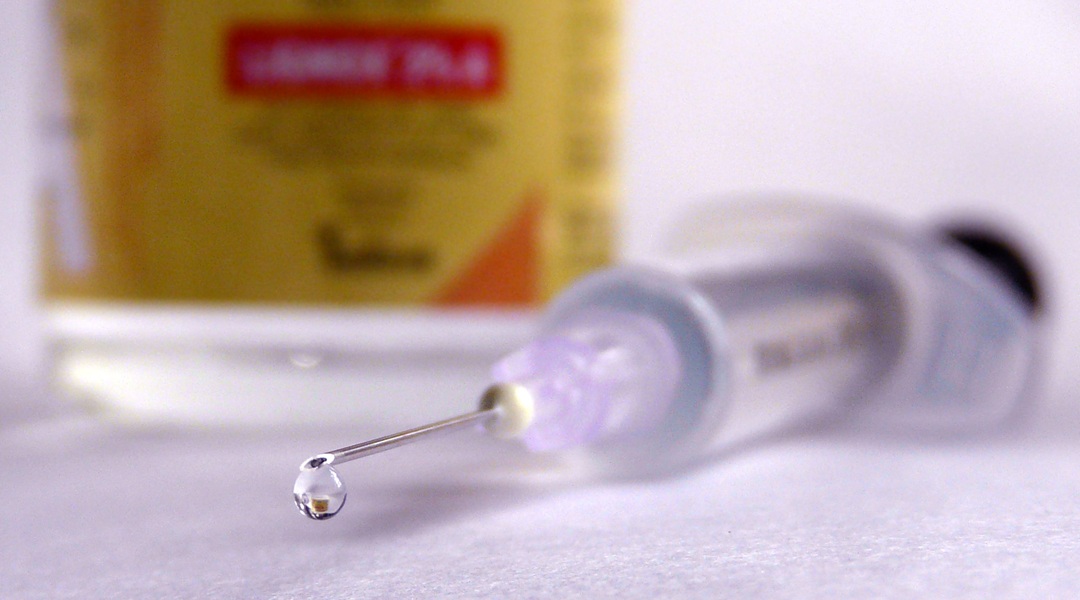
Individual components of lipid nanoparticles are examined to understand how they interact with cells.
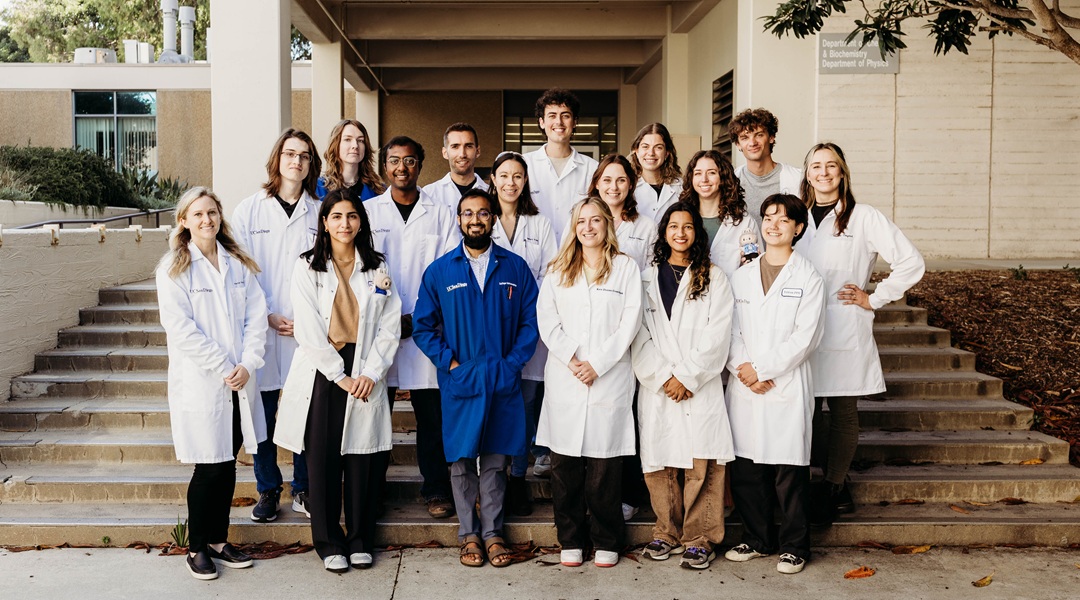
Young Innovator Awardee for 2025, Komor leads a group at UCSD developing precision genome editing methods using chemical biology.

Cell-laden hydrogels could promote tissue regeneration while avoiding immune rejection.
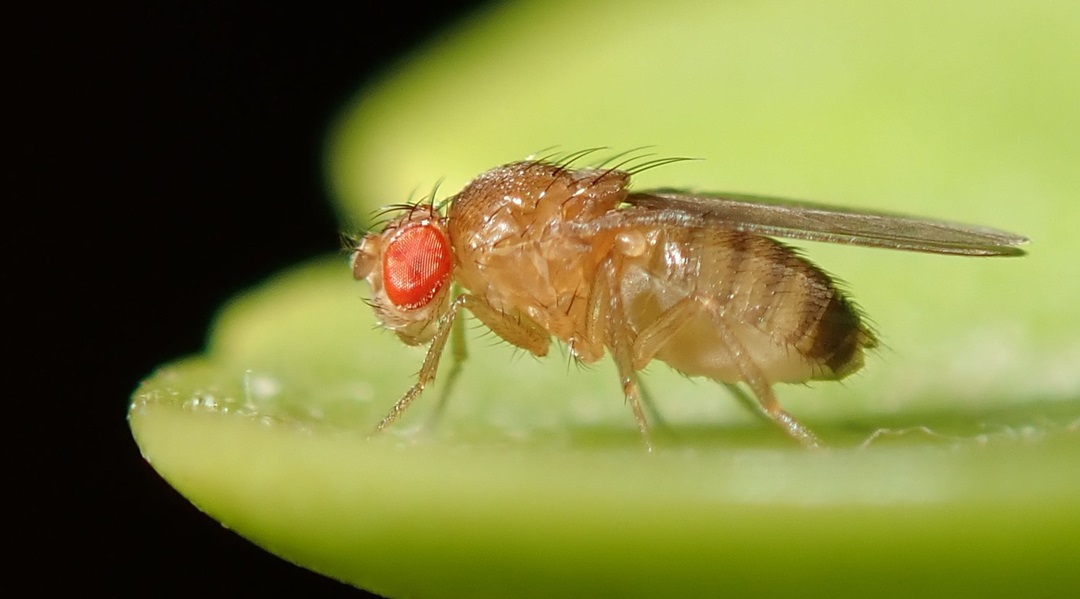
Infected fruit flies use behavioral fever against deadly parasitoid wasps.
 New theory suggests gravity is not a fundamental force
 Higgs boson may be driving the Universe’s expansion
 Water-powered gadgets may be on the horizon thanks to new evaporation-based energy device
 Scientists discover a new class of antibiotics
 Micron-sized hidden dimensions could solve two of physics’ deepest puzzles
 A new type of dark matter could explain mysterious radiation from the Milky Way’s core