Citizen science has the ability to improve scientific literacy and benefit communities by getting non-scientists involved in research.
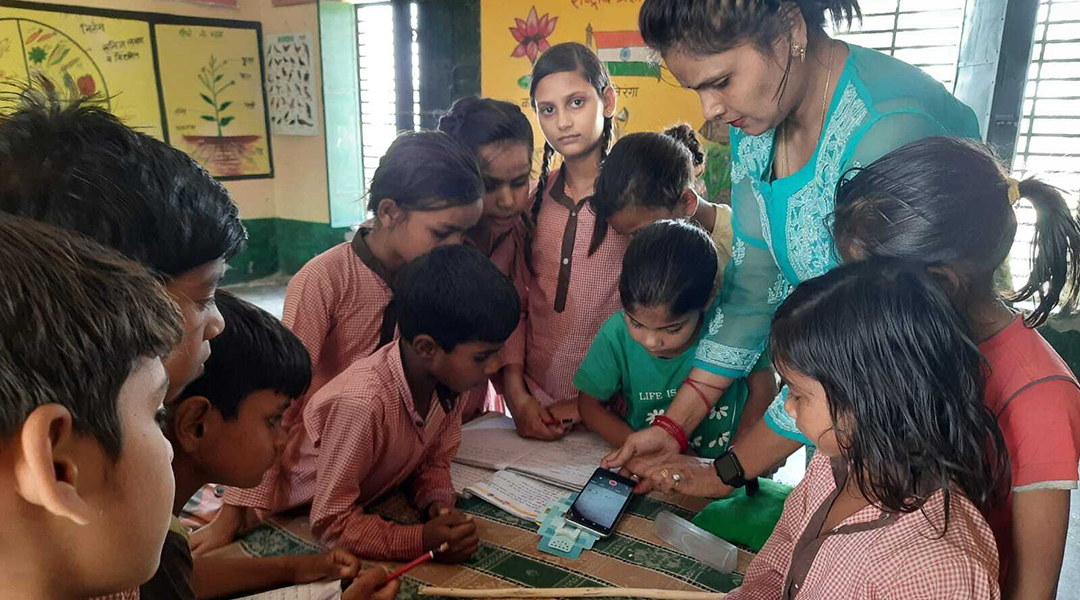

Citizen science has the ability to improve scientific literacy and benefit communities by getting non-scientists involved in research.
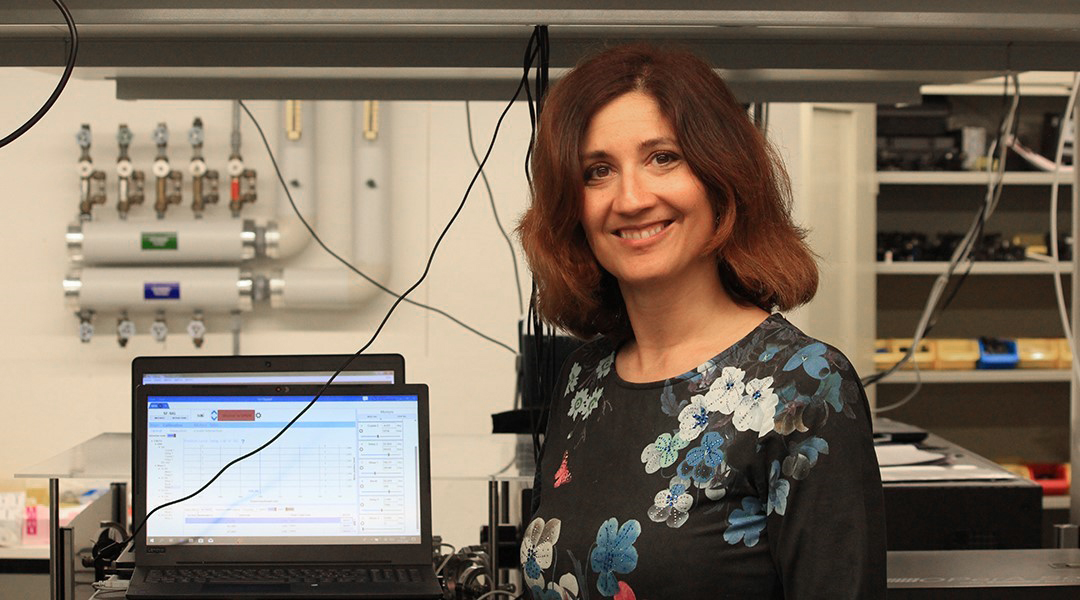
At the interface of light and matter, Natalie Banerji is using spectroscopy to advance technologies such as solar cells and bioelectronics.
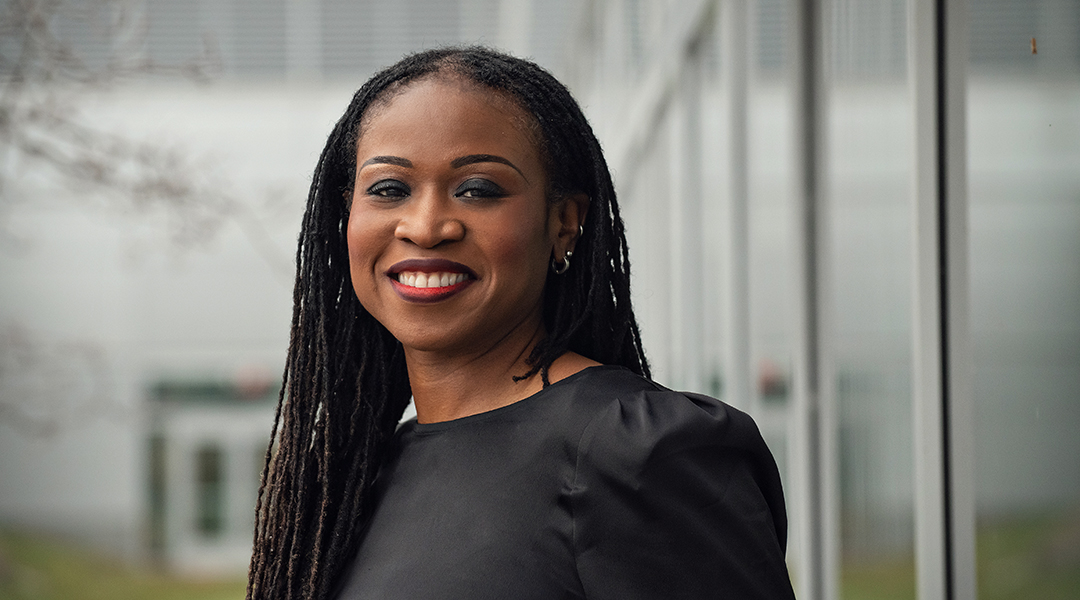
Chemical engineer and STEM advocate Lola Eniola-Adefeso deciphers components of the blood and designs therapeutic particles to help treat disease.
Shrouded in the language of computers, the key is to figure out how to work with, and not blindly rely on, AI.
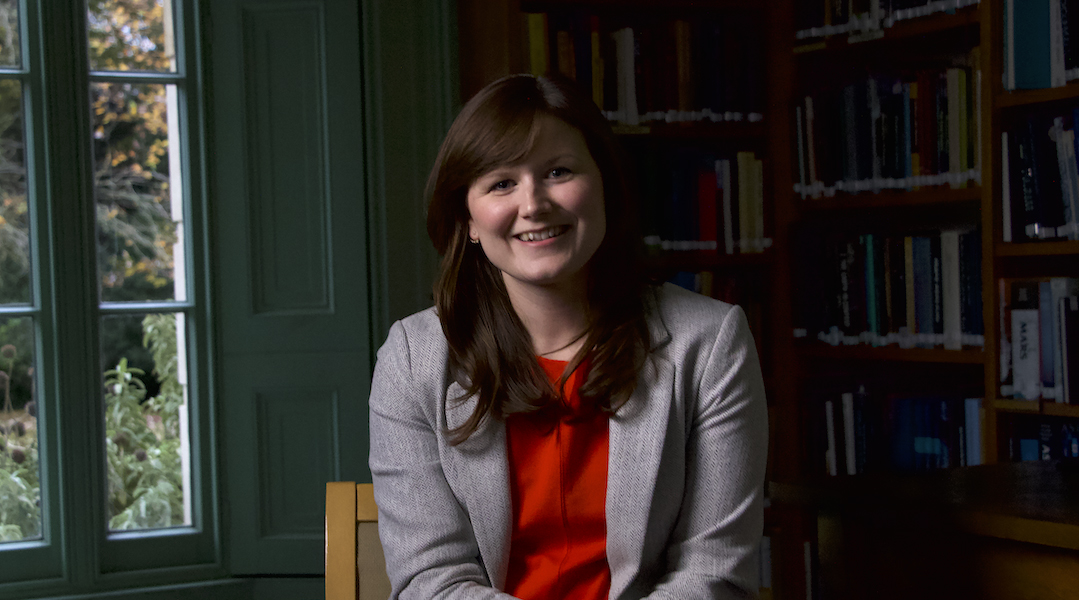
Your “friendly neighborhood astrophysicist” Becky Smethurst is enthusiastically exploring the universe and educating us along the way.
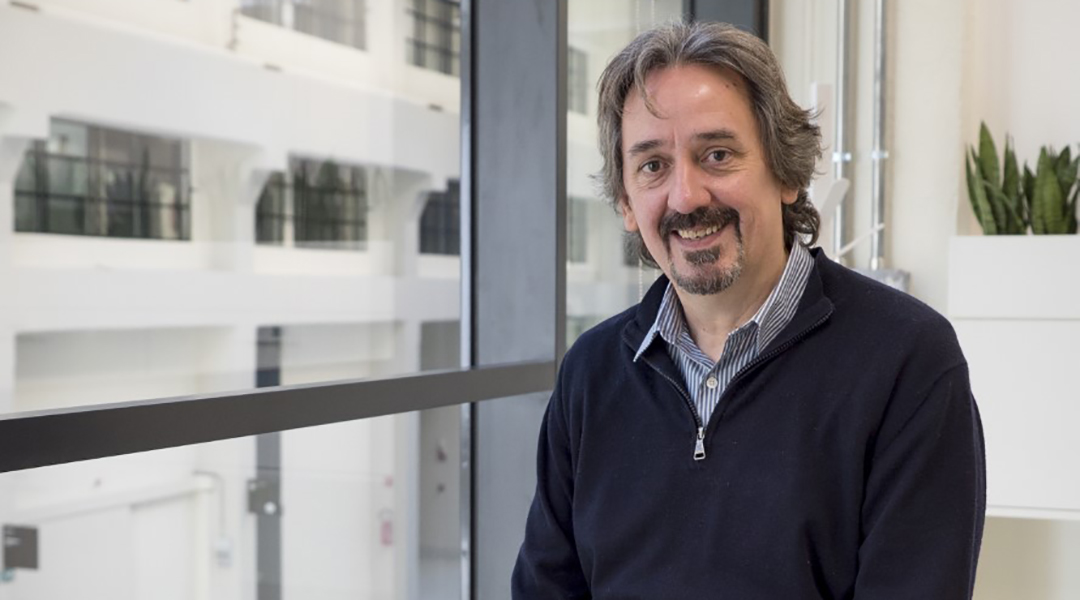
Albert Zink, director at the Institute for Mummy Studies, investigates remains from the past to bring ancient stories to life.
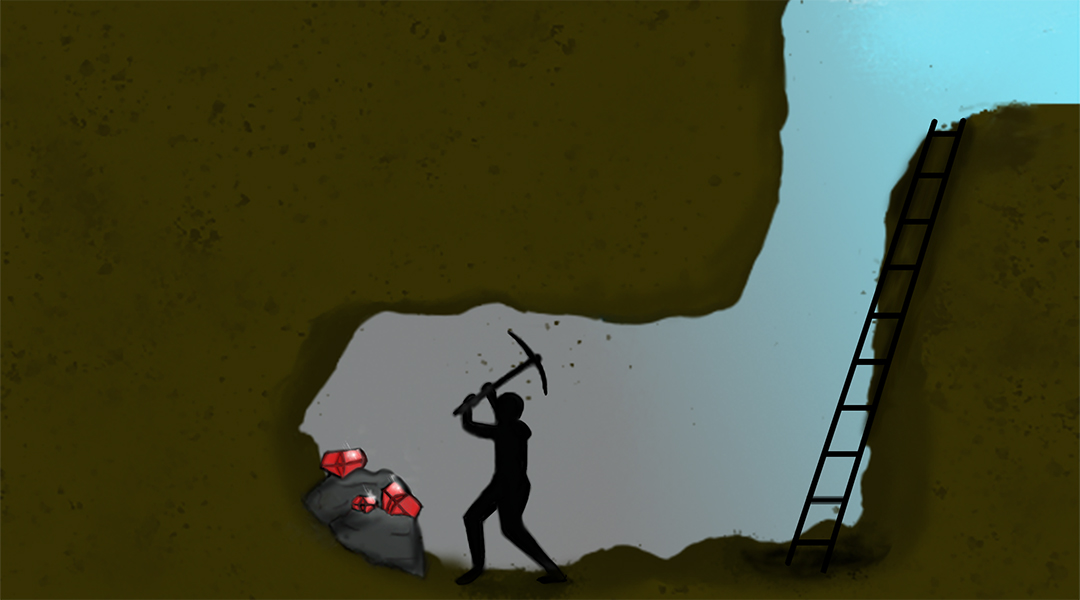
Many groundbreaking materials find their origins as rediscovered gems buried deep within the dusty archives, and barite could be one of them.
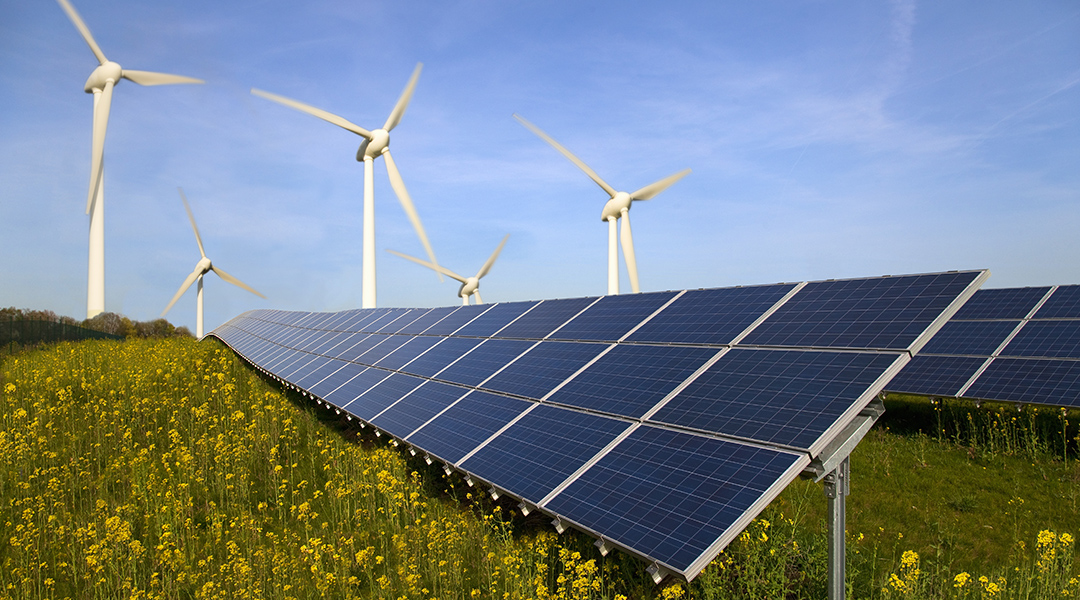
A new report outlines in quantitative detail the range of options, trade-offs, and costs to guide future policies in achieving carbon neutrality by 2045.
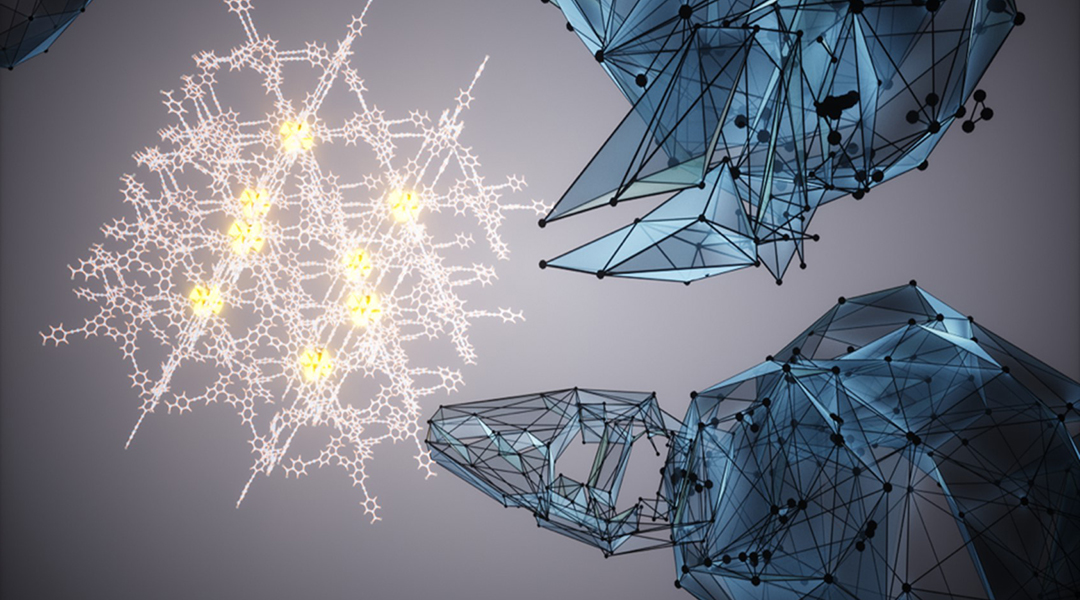
A new machine learning strategy searches for desirable materials properties rather than building blocks, which researchers hope will lead to better materials to help spark a green economy.
The global COVID-19 pandemic has changed the way in which we teach, but it doesn’t have to be all bad.
 New theory suggests gravity is not a fundamental force
 Higgs boson may be driving the Universe’s expansion
 Water-powered gadgets may be on the horizon thanks to new evaporation-based energy device
 Scientists discover a new class of antibiotics
 Micron-sized hidden dimensions could solve two of physics’ deepest puzzles
 A new type of dark matter could explain mysterious radiation from the Milky Way’s core