To help improve the success rates of fertility treatments, scientists are turning to AI to help standardize the sperm selection process.
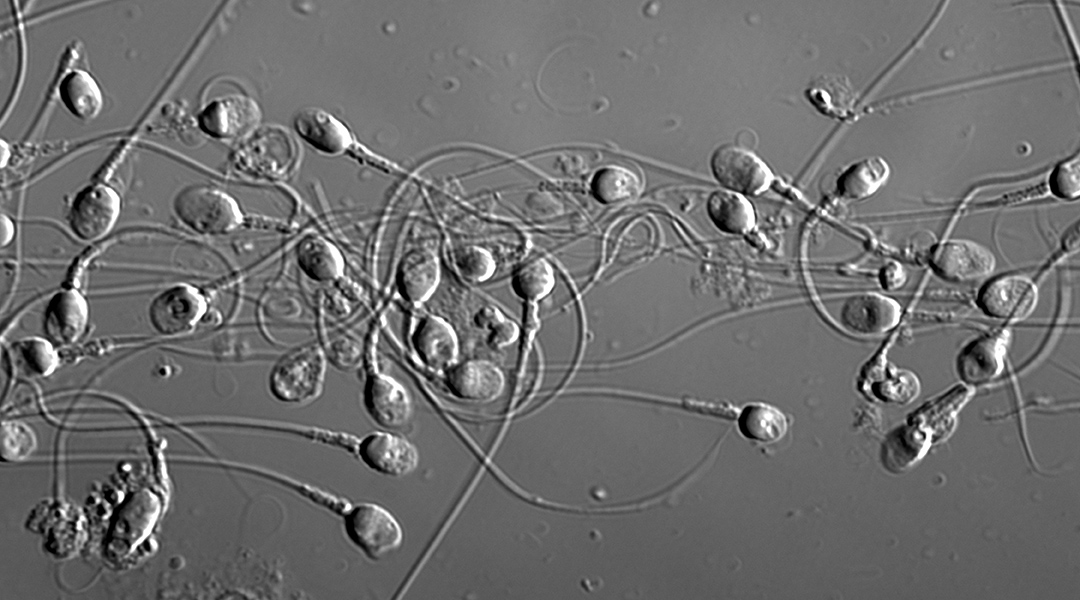

To help improve the success rates of fertility treatments, scientists are turning to AI to help standardize the sperm selection process.

A smart electronic nose that mimics the human nose with its millions of receptor cells and ability to differentiate smells.

This year’s World Water Day theme is groundwater, and here’s what some scientists have found recently about this precious resource.

A non-invasive means of monitoring intra-abdominal pressure using a wireless radar system could save lives in the ICU.
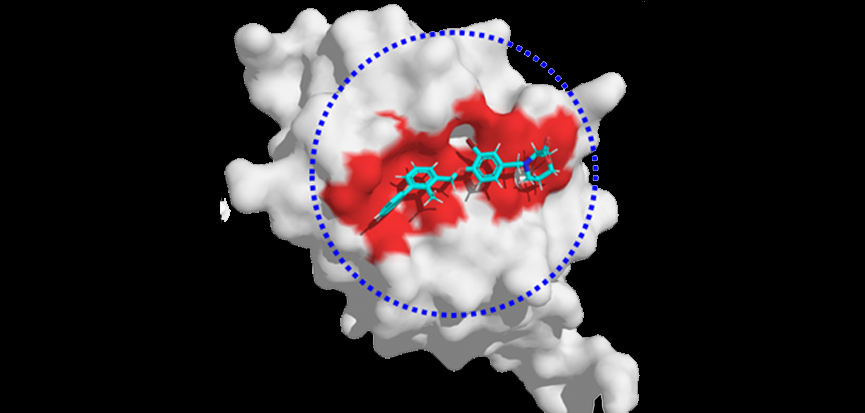
Artificial intelligence and machine learning are playing increasing roles in drug discovery, potentially saving significant time and money.
The benefits and controversies around AI are clear, but by drawing on current experiences, we can establish an order that ensures AI does not become a threat but a very useful aid.
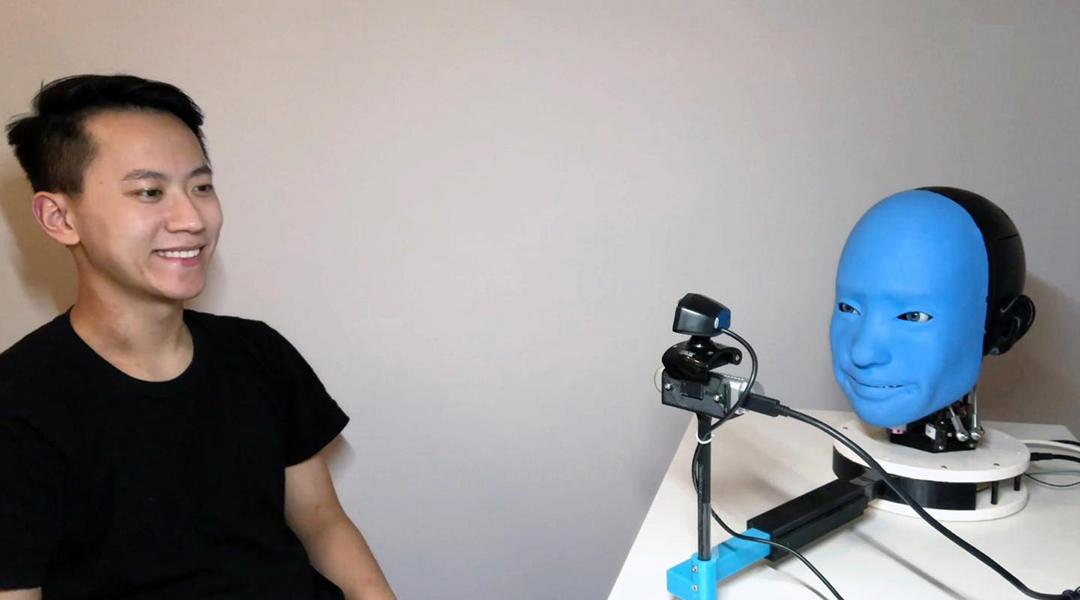
Researchers teach robots to make appropriate reactive human facial expressions, an ability that could build trust between humans and their robotic co-workers and care-givers.

From astronauts to programmers and medical researchers fighting the COVID-19 pandemic, these women are pushing boundaries in STEM.

AI gaming technology will appear in the classroom in the near future, perhaps making it more accessible and lowering the cost of education for so many that need it.

A reality-rooted perspective on “explainable AI” and what this means for the future of the field.
 New theory suggests gravity is not a fundamental force
 Higgs boson may be driving the Universe’s expansion
 Water-powered gadgets may be on the horizon thanks to new evaporation-based energy device
 Scientists discover a new class of antibiotics
 Micron-sized hidden dimensions could solve two of physics’ deepest puzzles
 A new type of dark matter could explain mysterious radiation from the Milky Way’s core