New study provides evidence that social media companies have the tools to reduce the impact of vaccine misinformation on their platforms.


New study provides evidence that social media companies have the tools to reduce the impact of vaccine misinformation on their platforms.

To understand the progression of diseases, such as angiogenesis, researchers have turned to computers to model complex biological processes.
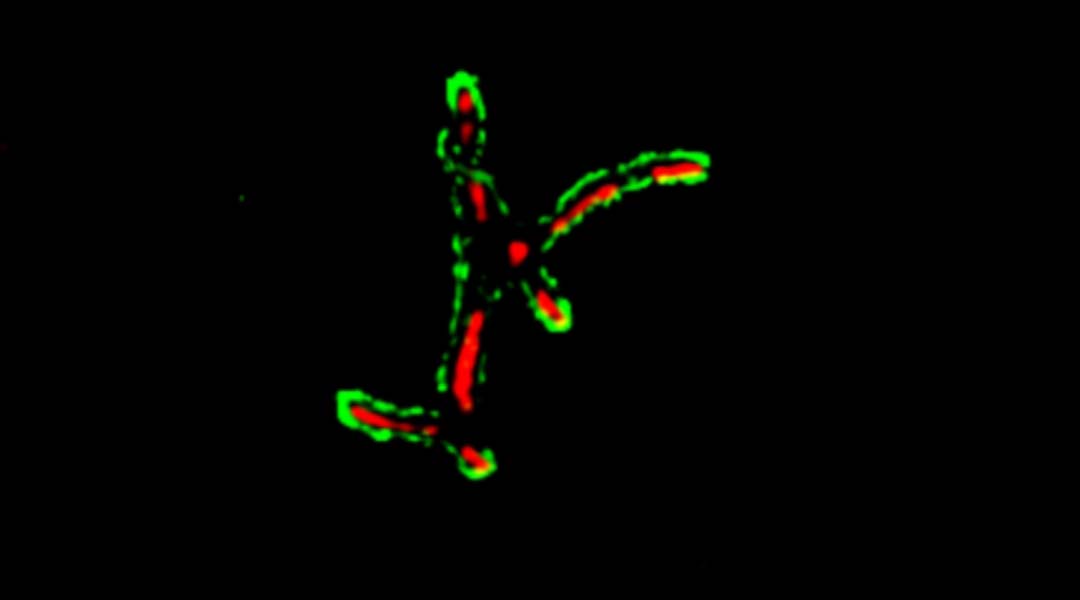
A new fluorescent probe for detecting tuberculosis can now identify disease-causing bacteria in extra-pulmonary tissue for better diagnosis.
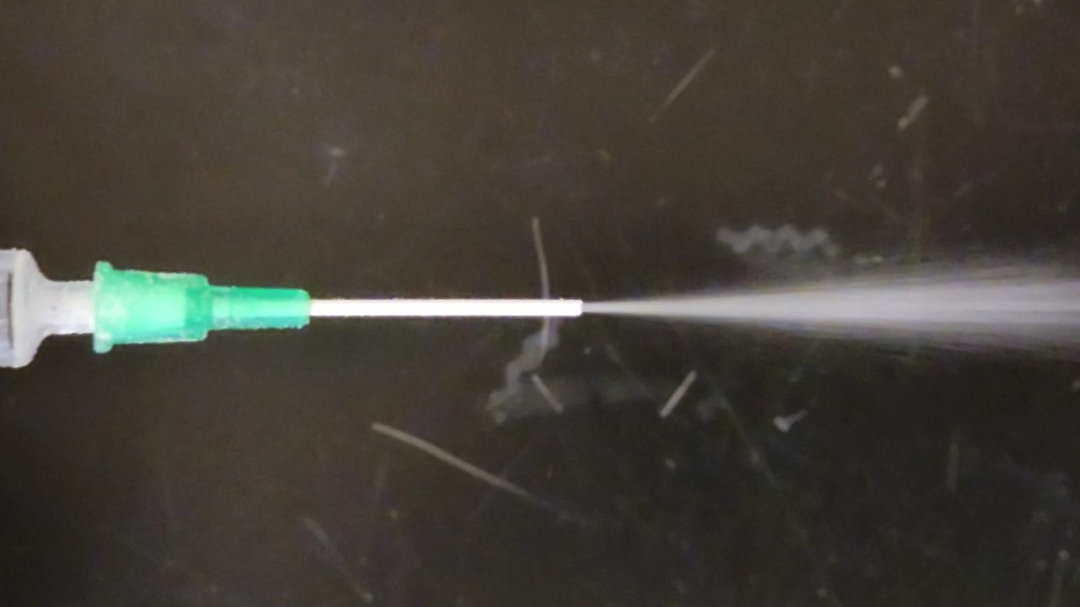
Researchers hope that commercially available inhalers could be used to deliver novel treatment to infected lungs.
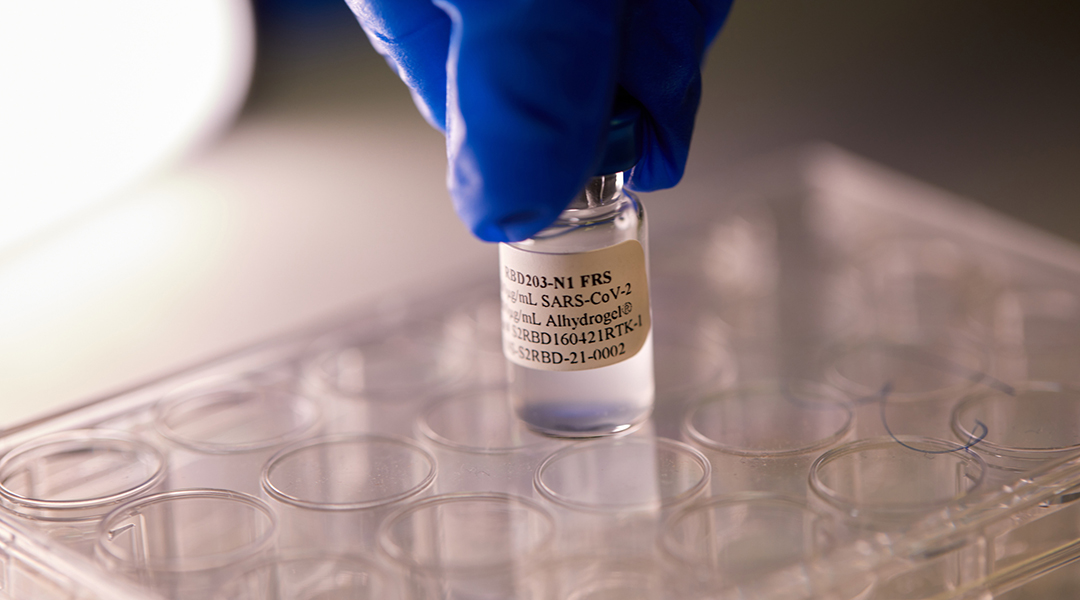
The Corbevax COVID-19 vaccine was developed by researchers in Texas with no patent, and could be the end of global vaccine inequity.
Catch up on some of the most exciting and impactful developments in science from this year, published on ASN and selected by our editors.
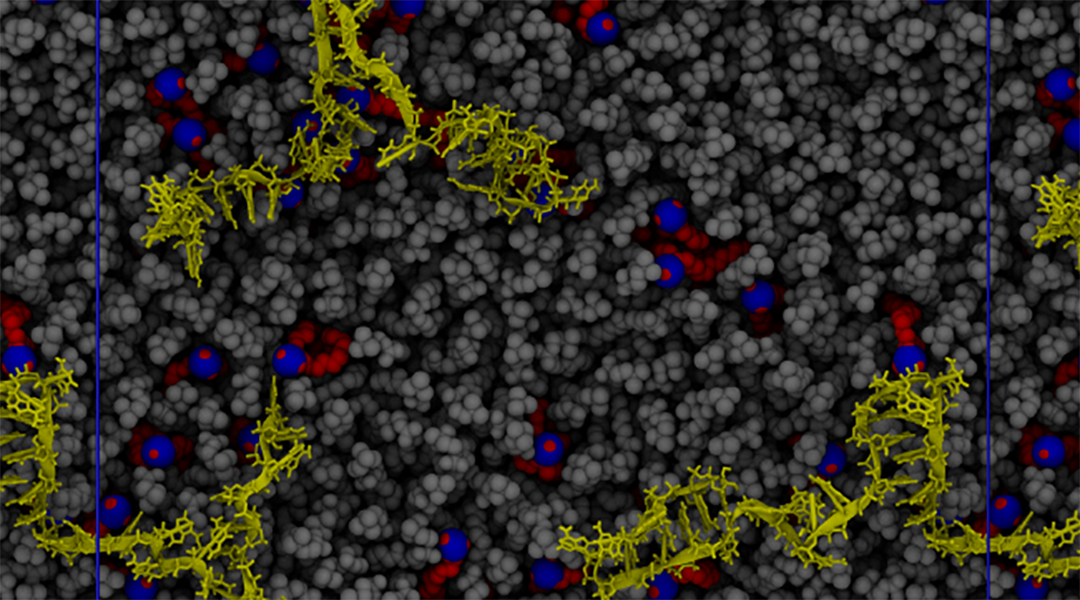
Molecular dynamics offer ways to improve lipid-based therapeutic delivery systems.
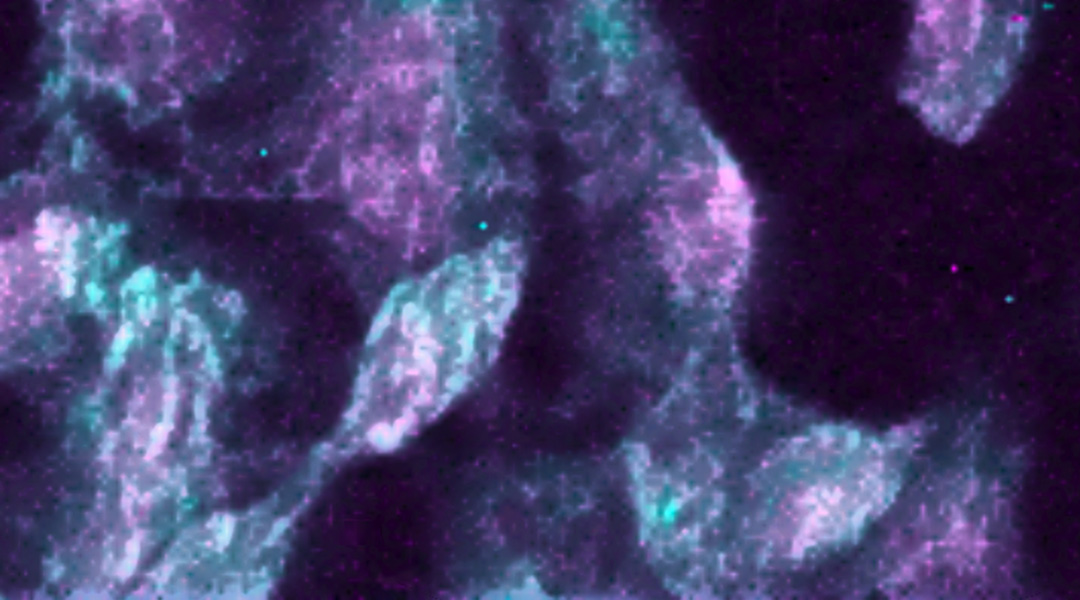
A fast and efficient means of record keeping could improve the ability to trace structural differences in viral variants.

Preliminary data indicates that booster shots improve antibody levels 25-fold compared to just two doses.
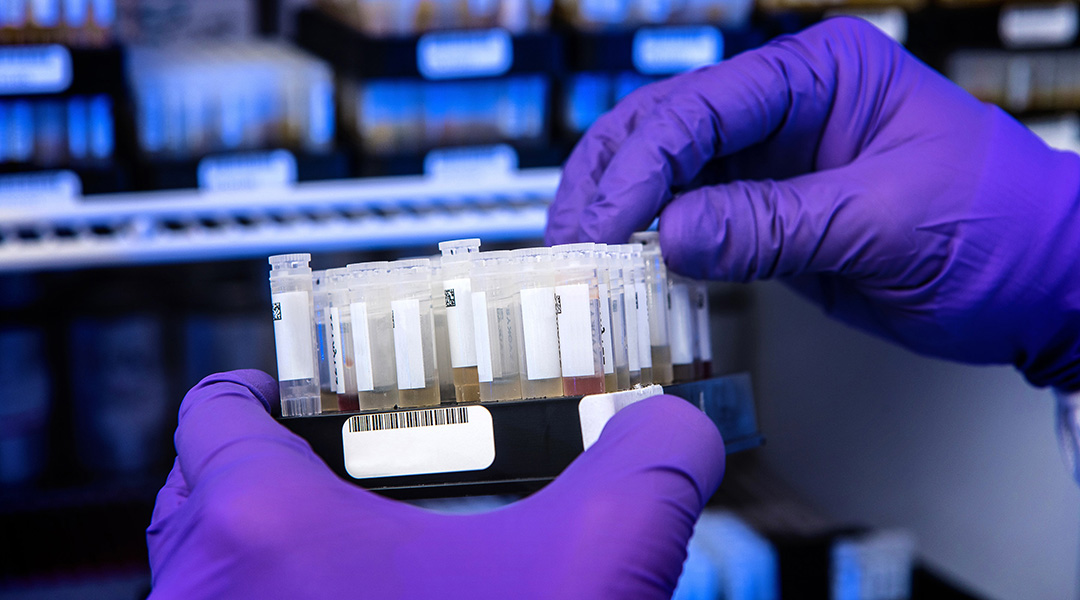
Three potent antibodies against SARS-CoV-2 identified in healthy individuals decades ago raises interesting questions about their origins and evolution.
 New theory suggests gravity is not a fundamental force
 Higgs boson may be driving the Universe’s expansion
 Water-powered gadgets may be on the horizon thanks to new evaporation-based energy device
 Scientists discover a new class of antibiotics
 Micron-sized hidden dimensions could solve two of physics’ deepest puzzles
 A new type of dark matter could explain mysterious radiation from the Milky Way’s core