Micro-computed X-ray tomography and microfluidic-based electrochemical analysis give new insights into into electrode structure-performance relationships.
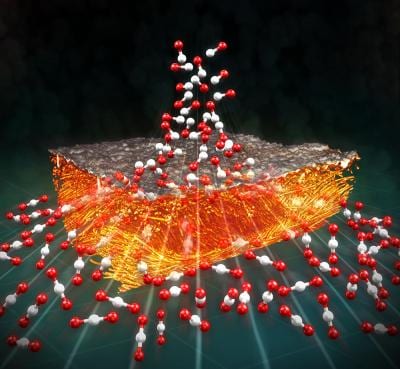

Micro-computed X-ray tomography and microfluidic-based electrochemical analysis give new insights into into electrode structure-performance relationships.
Chemists at USF and KAUST have discovered a more efficient, less expensive and reusable material for carbon dioxide (CO2) capture and separation.
Material investigated by USF and KAUST chemists could be a breakthrough in developing new tools for cleaner air and energy production.

Renewable energy could fully power a large electric grid 99.9 percent of the time by 2030 at costs comparable to today’s electricity expenses.
Carbon Management Canada, a national research network specializing in the development of carbon management technology, announces eight new projects.
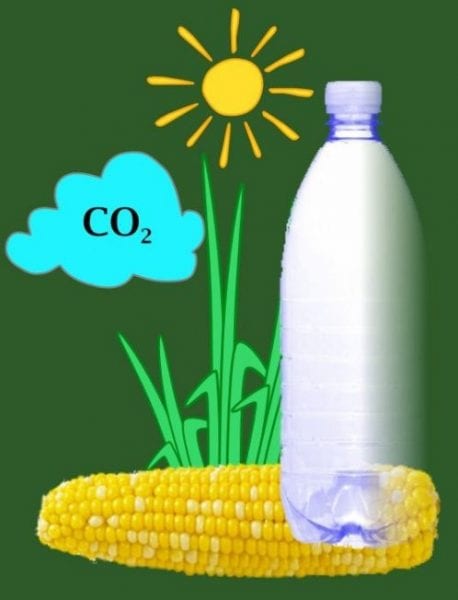
Rolf Mülhaupt investigates the dreams and reality of “green polymer chemistry”.

The new journal, Energy Technology, is accepting manuscripts on applied energy research in all areas of energy generation, conversion, storage, and distribution.
From Reviews of the First Edition: This splendid, at times humorous, and reasonably priced little book has much to commend it to undergraduate chemists and to other science students. --J. G. Farmer, University of Edinburgh Complex environmental issues are...
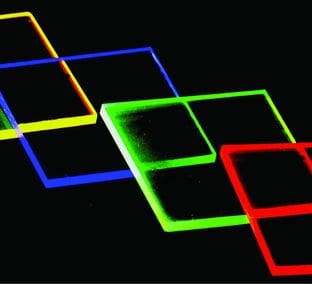
Luminescent solar concentrators might hold the key to turning everyday building components into energy-generating devices.
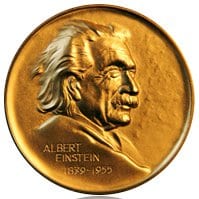
Following on from his selection as the recipient of the 2011 RSC Barrer Award, Professor Geoffrey Ozin has been awarded the 2011 Albert Einstein World Award of Science.

 Micron-sized hidden dimensions could solve two of physics’ deepest puzzles
 Turning Periods into Power: Menstrual Blood a Valuable Resource for Medical Diagnostics
 Surfactants Steer Supraparticle Structure
 Bone loss in obesity traced to gut microbiota
 Edible electronics realize safe, complex monitoring devices
 Fermilab Confirms Muon g-2 Measurements