A newly discovered material and its intriguing properties could pave the way for more efficient computing.
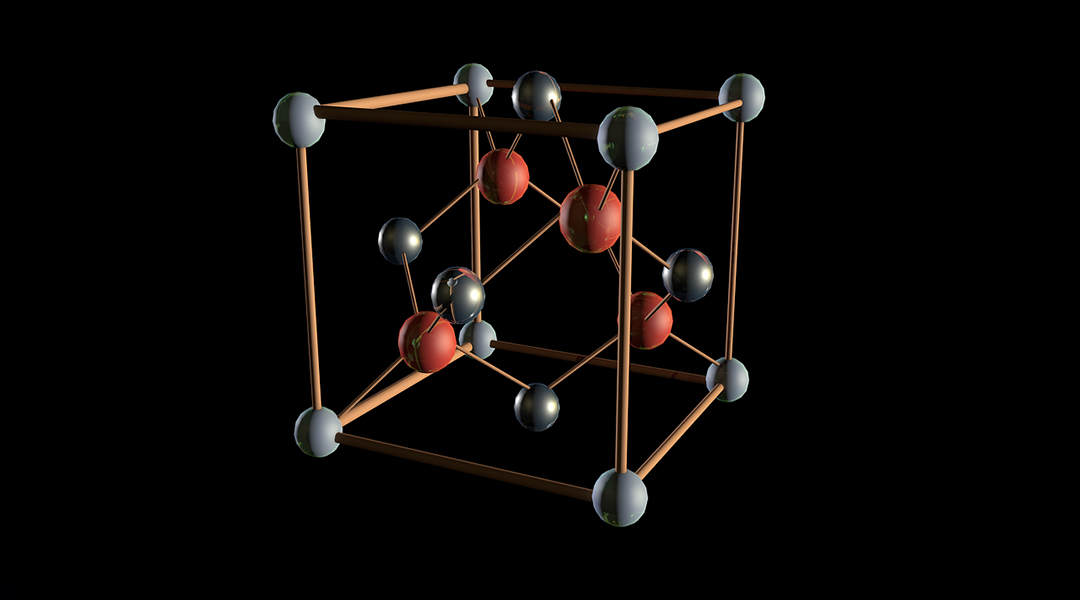

A newly discovered material and its intriguing properties could pave the way for more efficient computing.
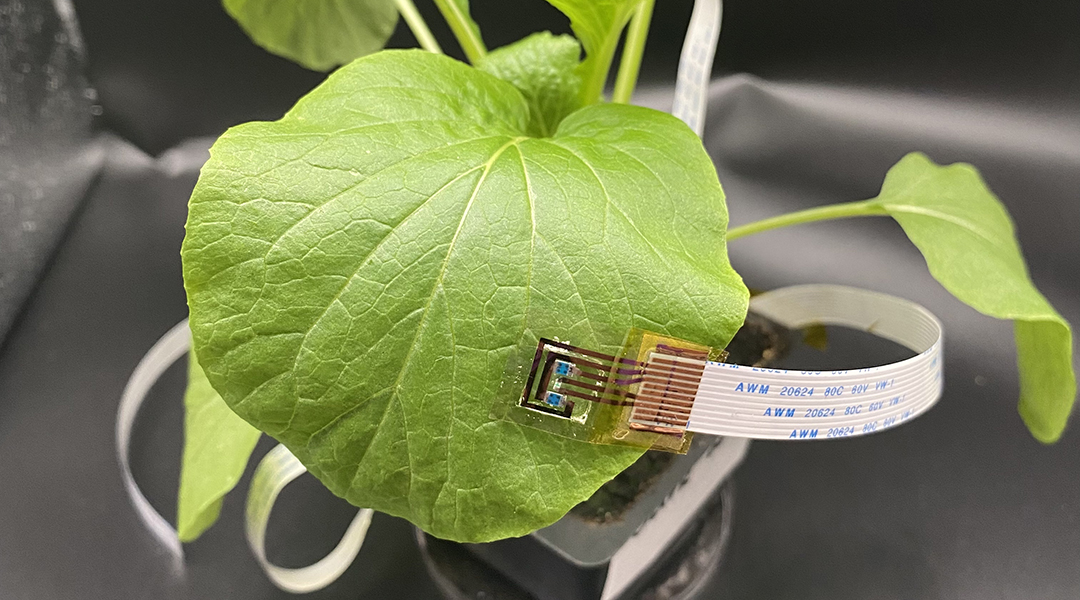
The sensor could improve crop yield by detecting changes in plant chlorophyll levels earlier and more precisely than existing methods.

Clouds have scrambled climate models for decades and researchers are doing something about it.

Magnetic iron nanoparticles shown to eliminate persistent water pollution, such as microplastics and oils.

Due to their incredible density, astronomers believe white dwarfs might make the perfect dark matter detectors.

Drawing power from the electrical fields of nearby objects, this nanosensor enhances vehicle safety and slashes energy consumption.

Discover how living materials are revolutionizing sustainable engineering, offering self-healing and responsive solutions for a greener future.

Autonomous materials laboratories and the research communities that build them will be crucial to achieving our climate goals.

Scientists convert waste coffee husks into cellulose fibers and films with potential applications in textiles and biodegradable products.

Scientists investigate “hycean” exoplanets with hydrogen-rich atmospheres and liquid water oceans, challenging traditional definitions of habitability.

 Micron-sized hidden dimensions could solve two of physics’ deepest puzzles
 Turning Periods into Power: Menstrual Blood a Valuable Resource for Medical Diagnostics
 Surfactants Steer Supraparticle Structure
 Bone loss in obesity traced to gut microbiota
 Edible electronics realize safe, complex monitoring devices
 Fermilab Confirms Muon g-2 Measurements