Clouds have scrambled climate models for decades and researchers are doing something about it.


Clouds have scrambled climate models for decades and researchers are doing something about it.
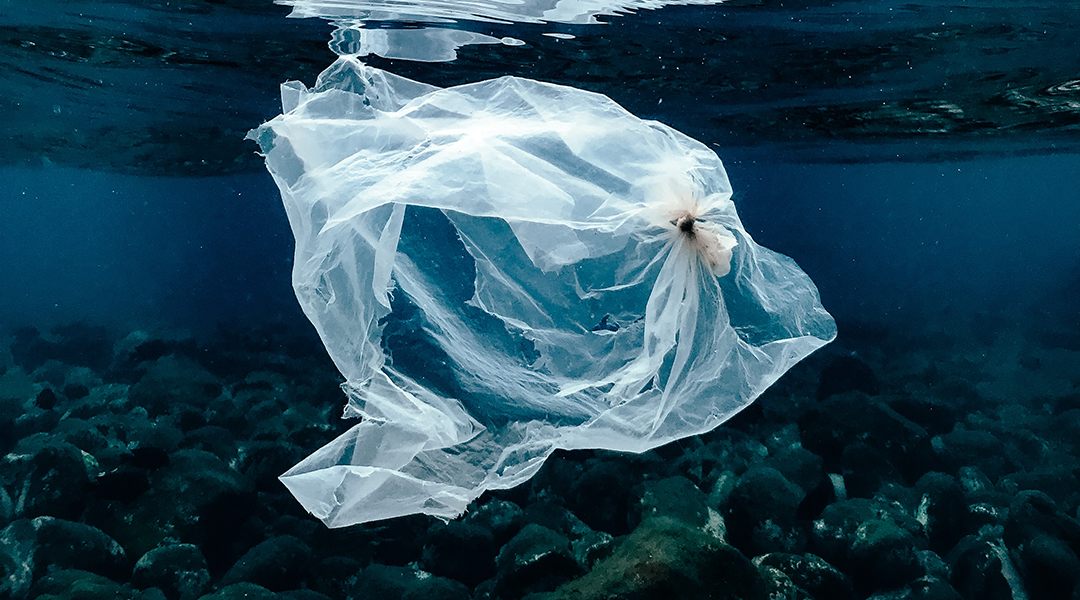
Magnetic iron nanoparticles shown to eliminate persistent water pollution, such as microplastics and oils.

Due to their incredible density, astronomers believe white dwarfs might make the perfect dark matter detectors.

Drawing power from the electrical fields of nearby objects, this nanosensor enhances vehicle safety and slashes energy consumption.

Discover how living materials are revolutionizing sustainable engineering, offering self-healing and responsive solutions for a greener future.
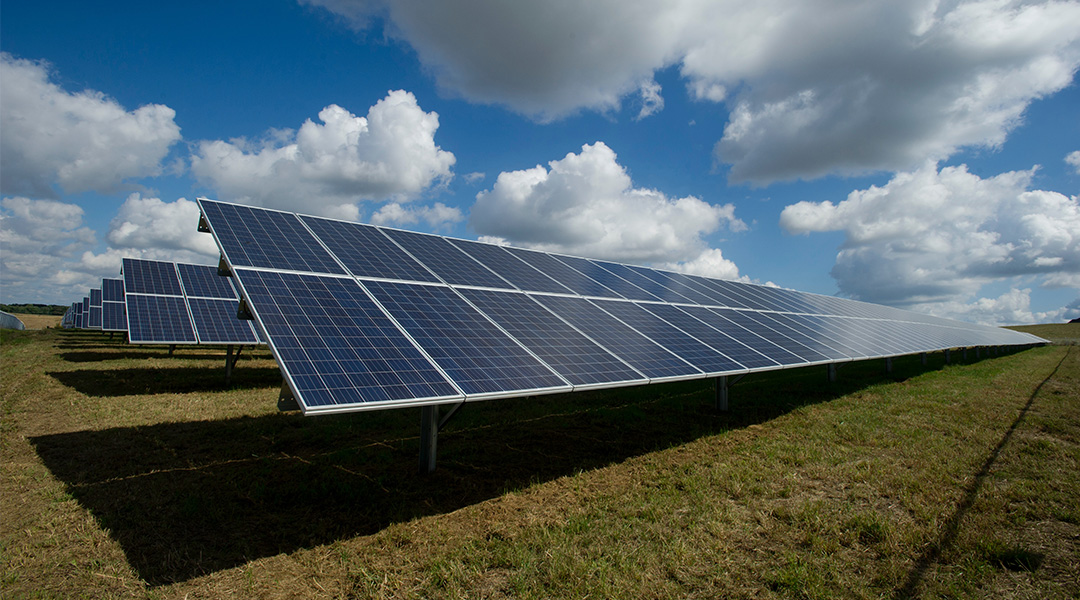
Autonomous materials laboratories and the research communities that build them will be crucial to achieving our climate goals.

Scientists convert waste coffee husks into cellulose fibers and films with potential applications in textiles and biodegradable products.
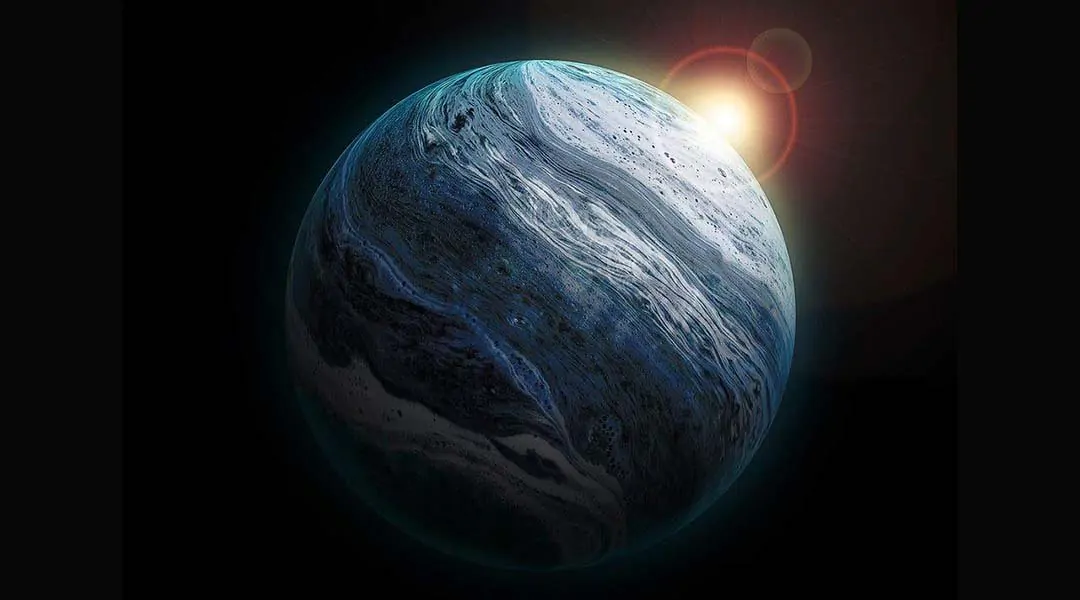
Scientists investigate “hycean” exoplanets with hydrogen-rich atmospheres and liquid water oceans, challenging traditional definitions of habitability.
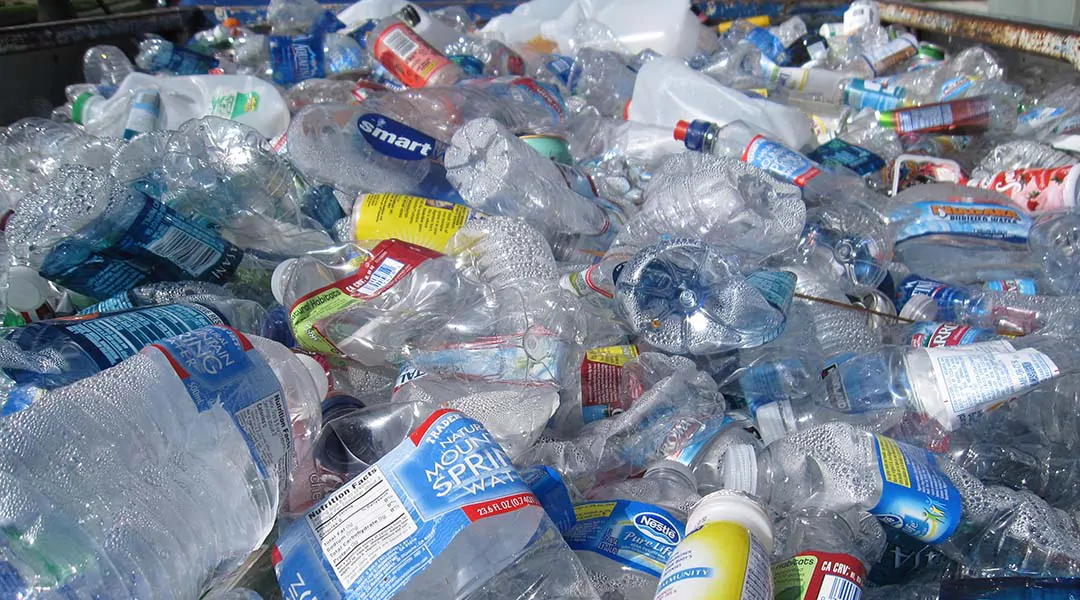
A flash heating technique breaks down plastic waste and converts it to pure hydrogen and graphene with significantly less emissions and at a low cost.

The hand-held device was designed for use by the general public, providing diagnoses in only 15 minutes without the need for appointments and long wait times for results.
 New theory suggests gravity is not a fundamental force
 Higgs boson may be driving the Universe’s expansion
 Water-powered gadgets may be on the horizon thanks to new evaporation-based energy device
 Scientists discover a new class of antibiotics
 Micron-sized hidden dimensions could solve two of physics’ deepest puzzles
 A new type of dark matter could explain mysterious radiation from the Milky Way’s core