Bioengineer Canan Dağdeviren is living her dream, decoding physical patterns of the human body in order to diagnose and cure diseases.


Bioengineer Canan Dağdeviren is living her dream, decoding physical patterns of the human body in order to diagnose and cure diseases.
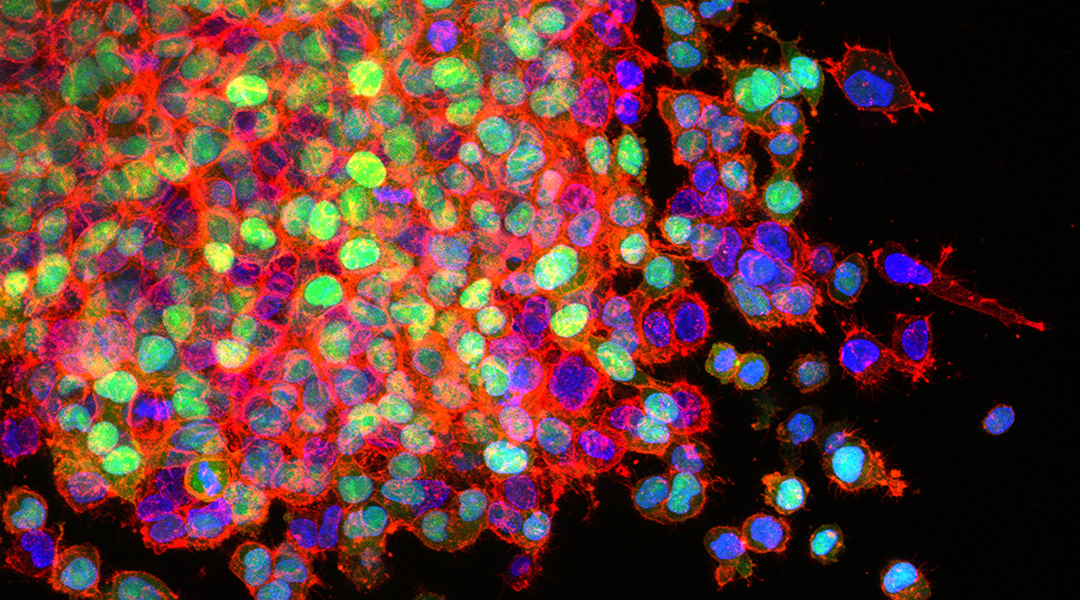
The surgical anesthesia drug, propofol, used in tumor removal, could help promote the spread of cancer by triggering changes in tumor cell properties.
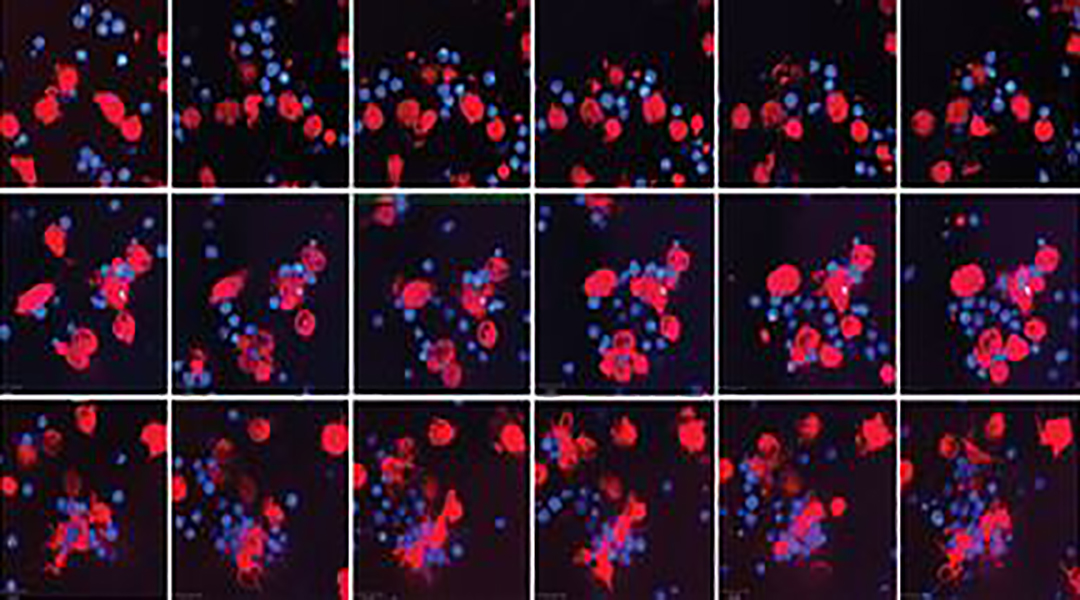
Dendritic cell vaccines offer a unique opportunity in biomedicine, and limitations in efficacy can now potentially be overcome using graphene oxide nanosheets.
Last August, #BlackinChem took the world by storm. This year, we spoke with two of the event’s organizers, Devin Swiner and Zemen Berhe, to learn more about what’s in store.
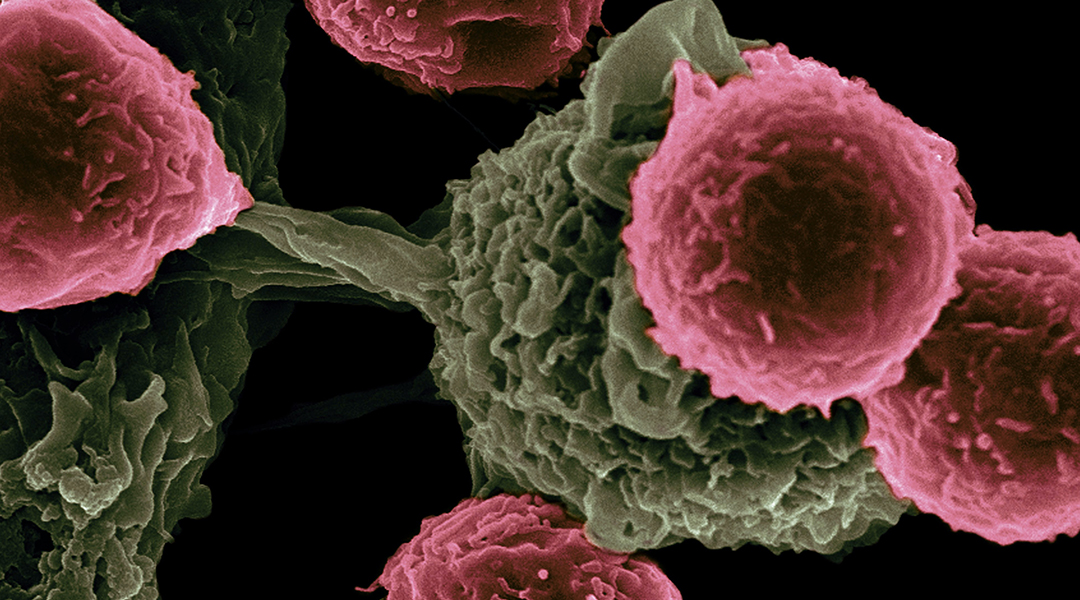
Nanovesicles that directly attack tumors and promote sustained tumor killing by resident T cells could enhance the effectiveness of tumor immunotherapy.

Albert Zink, director at the Institute for Mummy Studies, investigates remains from the past to bring ancient stories to life.
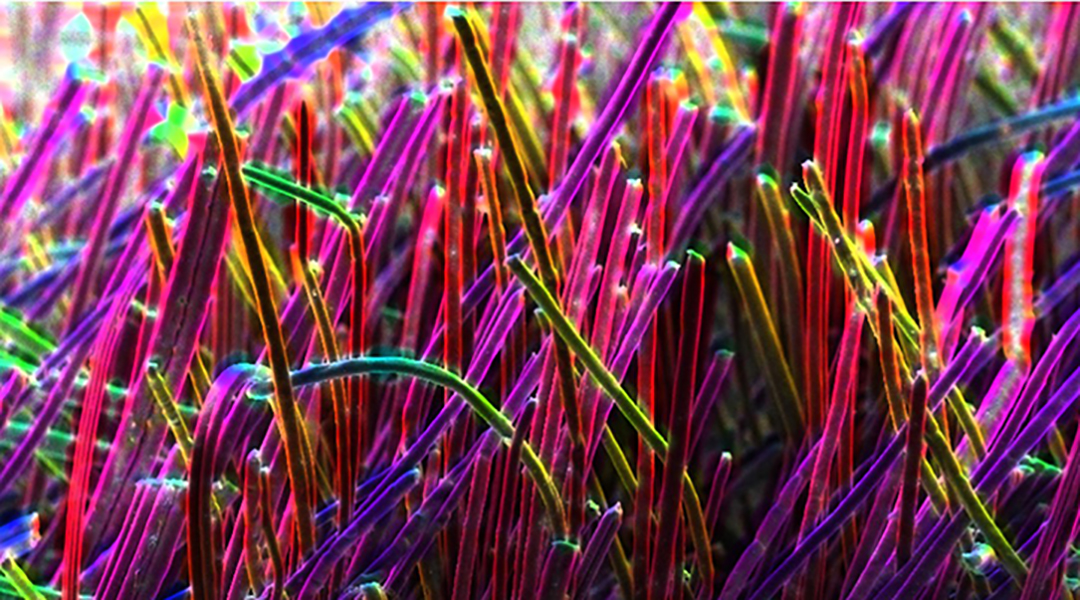
Enjoy this gallery of science images featuring a glowing hydrogel fish, microscale flowers, nanoscale fireworks, and more.
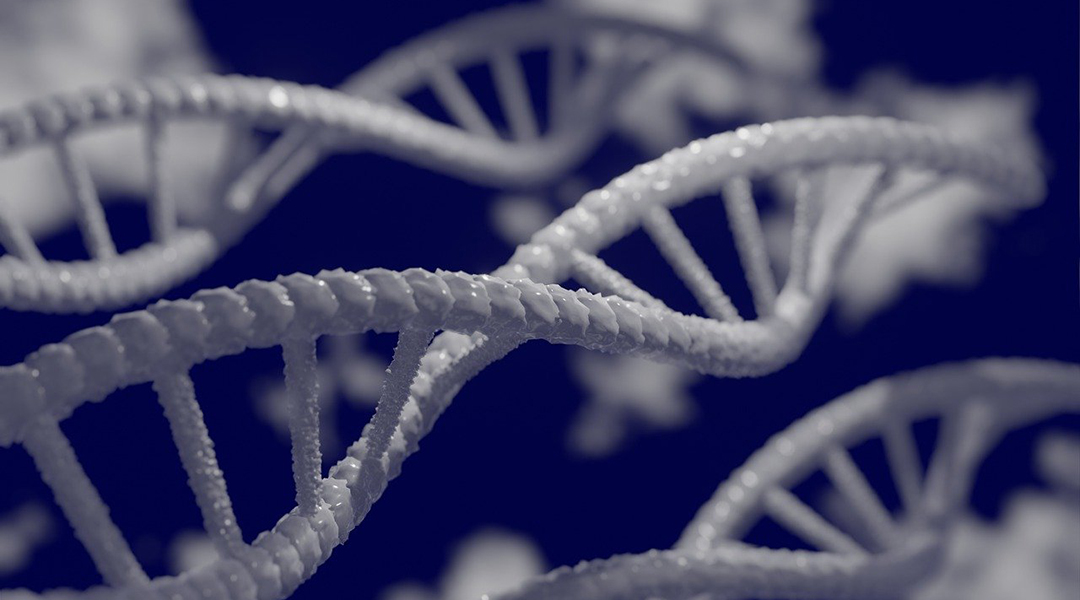
Fitting hydrogels with aptamer-based ligands can open doors for a range of new biomedical applications.
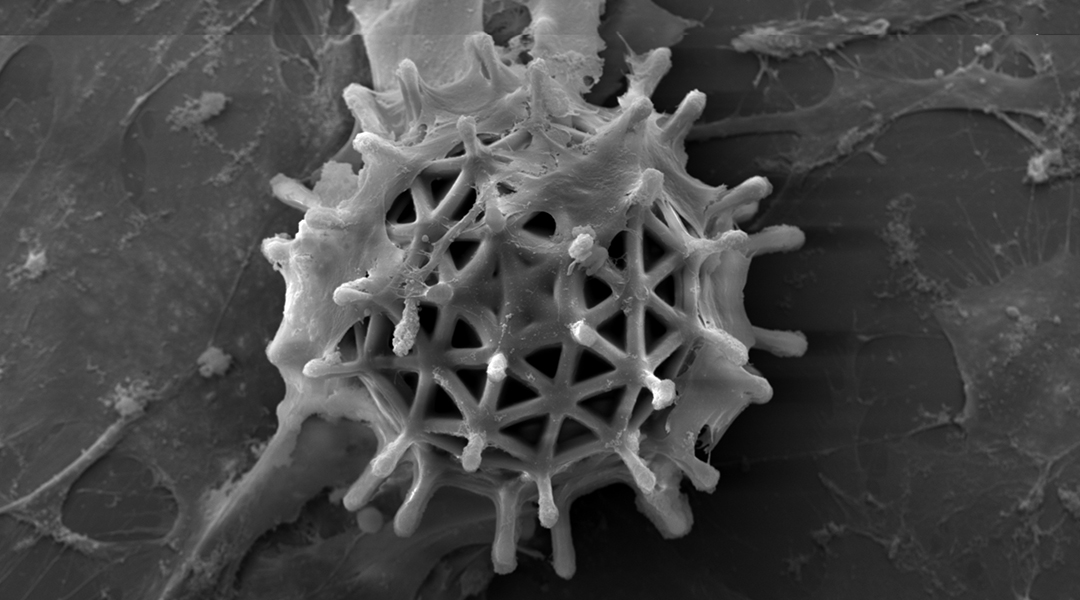
Researchers find the sweet spot between strength and biocompatibility in these tiny cell-carrying microrobots.
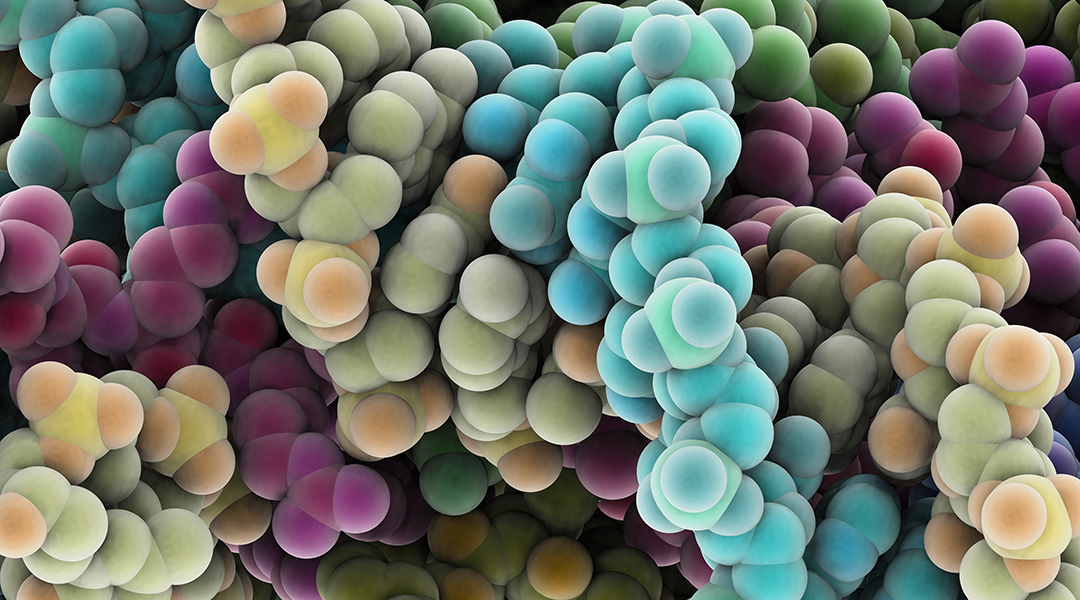
Bioorthogonal hydroamination of activated linear alkynes now suitable in living cells.
 New theory suggests gravity is not a fundamental force
 Higgs boson may be driving the Universe’s expansion
 Water-powered gadgets may be on the horizon thanks to new evaporation-based energy device
 Scientists discover a new class of antibiotics
 Micron-sized hidden dimensions could solve two of physics’ deepest puzzles
 A new type of dark matter could explain mysterious radiation from the Milky Way’s core