Photothermal therapy that uses gold nanoparticles to convert light to heat is effective against cancer both alone and combined with other therapeutic strategies is reviewed.
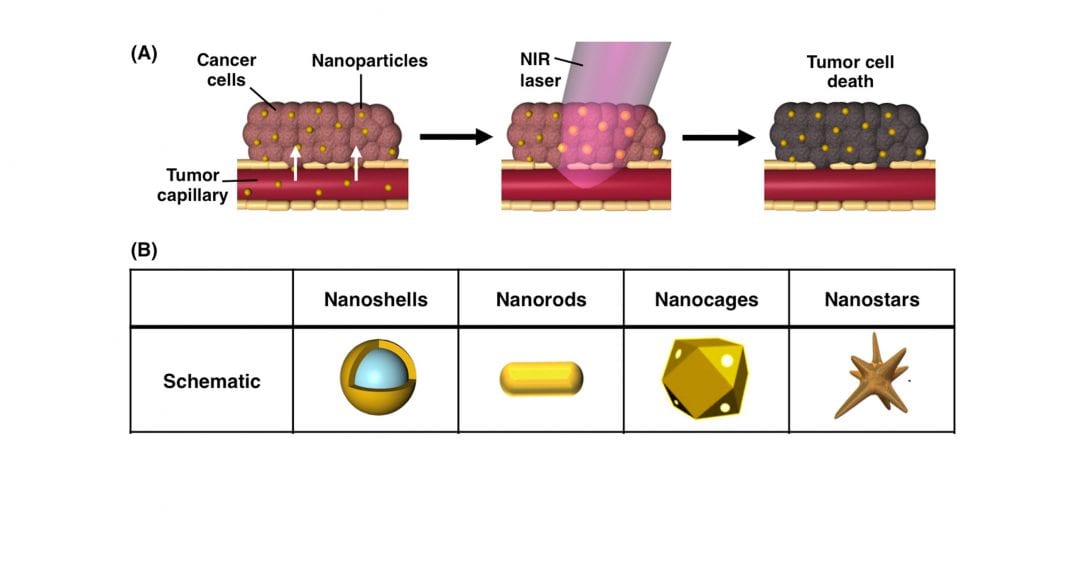

Photothermal therapy that uses gold nanoparticles to convert light to heat is effective against cancer both alone and combined with other therapeutic strategies is reviewed.
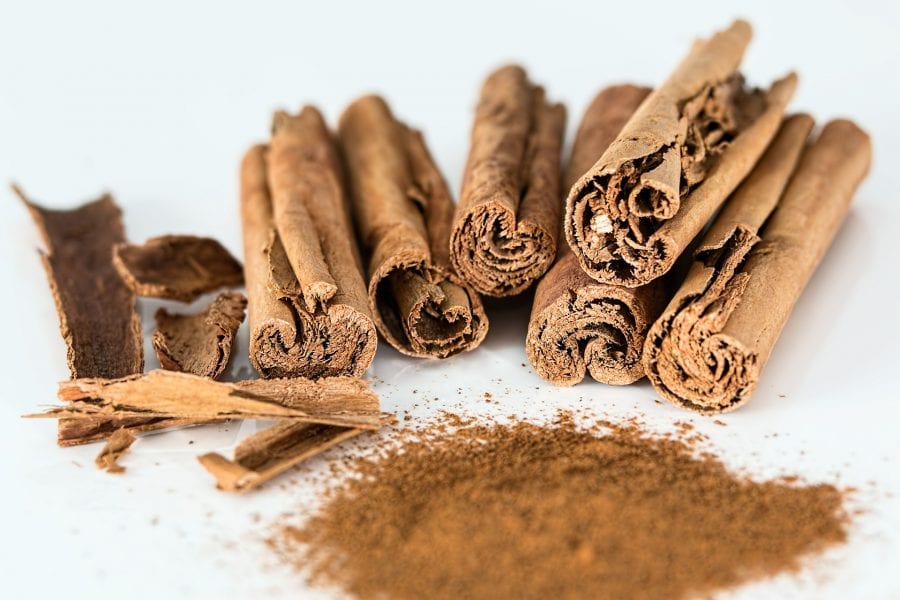
The anti-cancer properties of cinnamon extract have been recently published in Molecular Carcinogenesis.
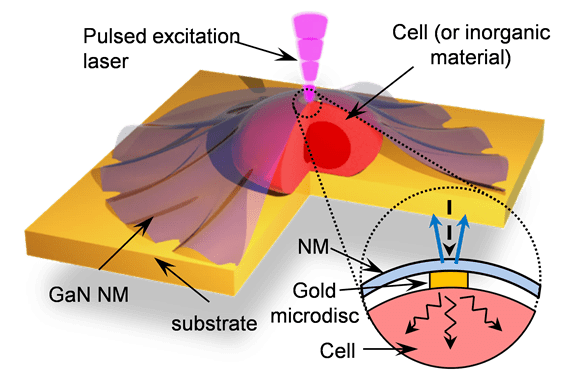
A novel thermal-transport technique based on the transient response of laser-heated GaN nanomembranes in contact with living cells is used to differentiate between different types of cancer.
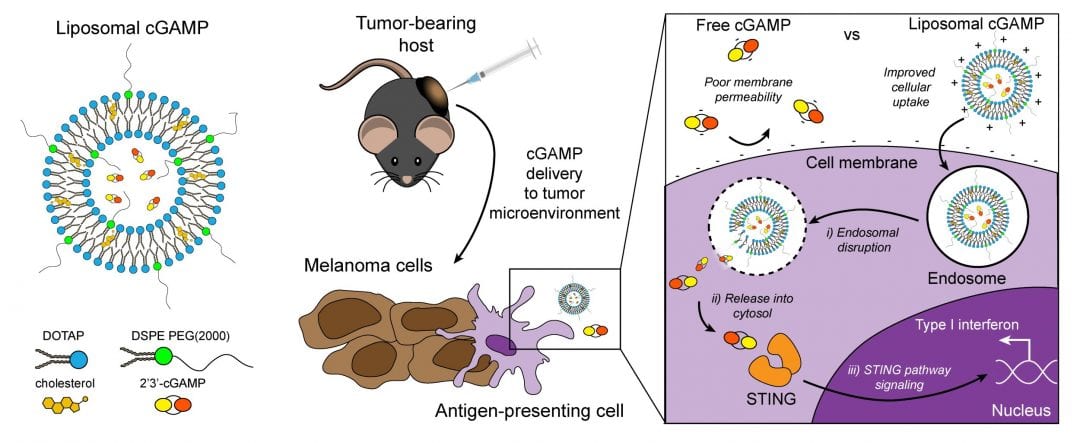
“STINGing” Liposomal Delivery for Cancer Immunotherapy
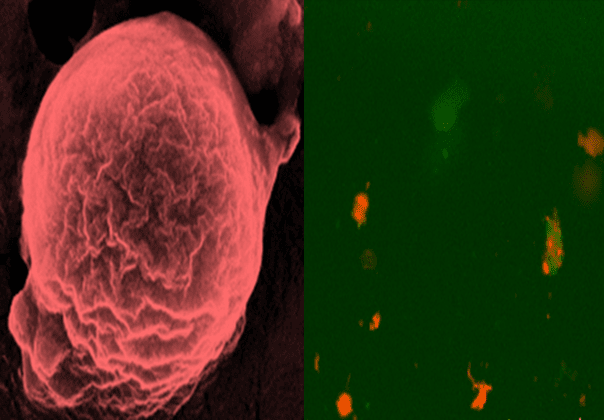
Researchers from Finland and the USA, have developed two multistage nanovaccines constructed of two biomaterials and either a biological cancer cell membrane (CCM) or a model antigen
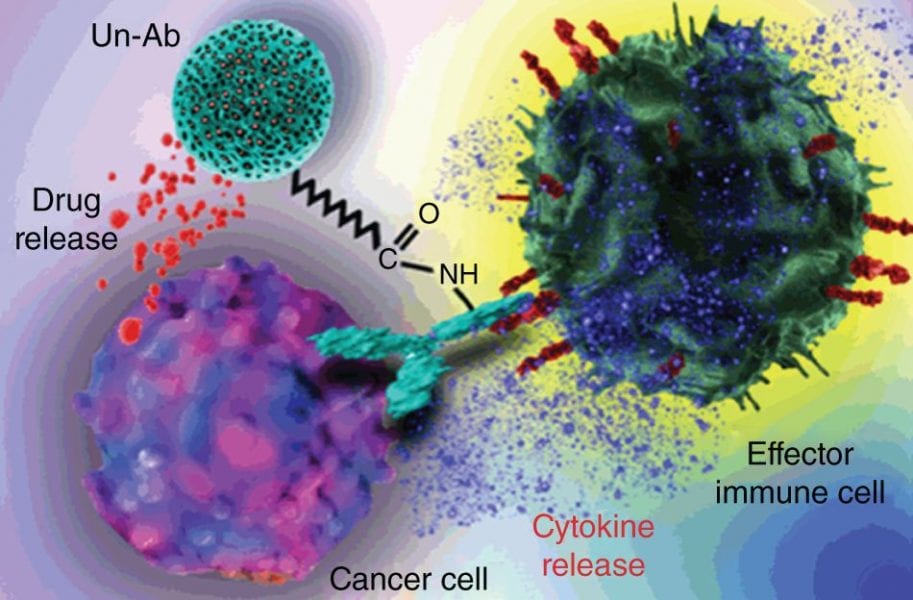
Researchers are applying nanotechnology to cancer immunotherapy toward the development of nanocarriers for delivery of cancer vaccines and chemo-immunotherapies.
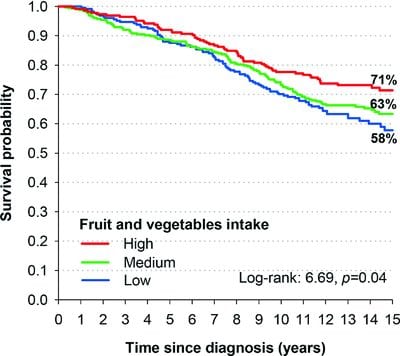
Consumption of both fruit and vegetables shows a higher 15-year overall survival probability in prostate cancer patients than those with lower intakes.
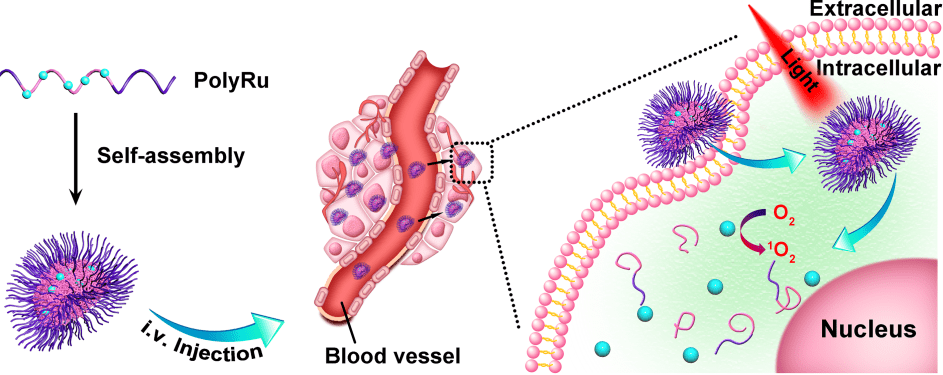
A polymetallodrug that overcomes the side effects of conventional anticancer phototherapy has been synthesized.
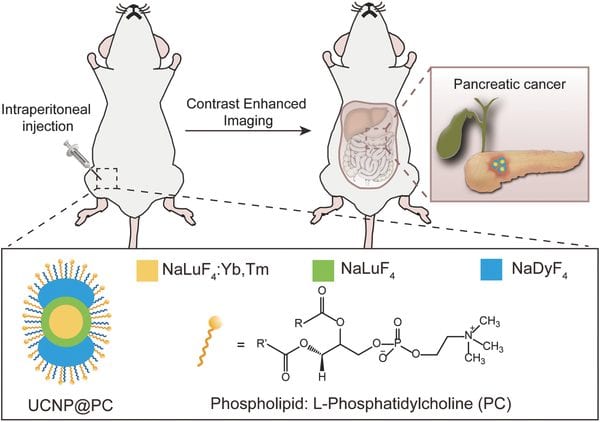
Intraperitoneally administered biointerface-camouflaged upconversion nanoparticles can pave the way for early diagnosis of pancreatic cancer through multimodal contrast enhanced imaging.
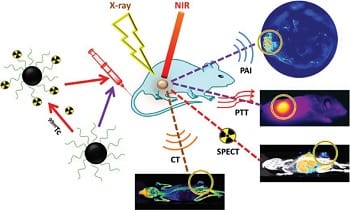
At Soochow University they have successfully prepared ultrasmall anionic-deficient WO3-x nanotheranostic probes
 New theory suggests gravity is not a fundamental force
 Higgs boson may be driving the Universe’s expansion
 Water-powered gadgets may be on the horizon thanks to new evaporation-based energy device
 Scientists discover a new class of antibiotics
 Micron-sized hidden dimensions could solve two of physics’ deepest puzzles
 A new type of dark matter could explain mysterious radiation from the Milky Way’s core