An innovative blood test designed to identify chronic fatigue syndrome, and potentially applicable to long COVID and Lyme disease, boasts 91% accuracy.


An innovative blood test designed to identify chronic fatigue syndrome, and potentially applicable to long COVID and Lyme disease, boasts 91% accuracy.
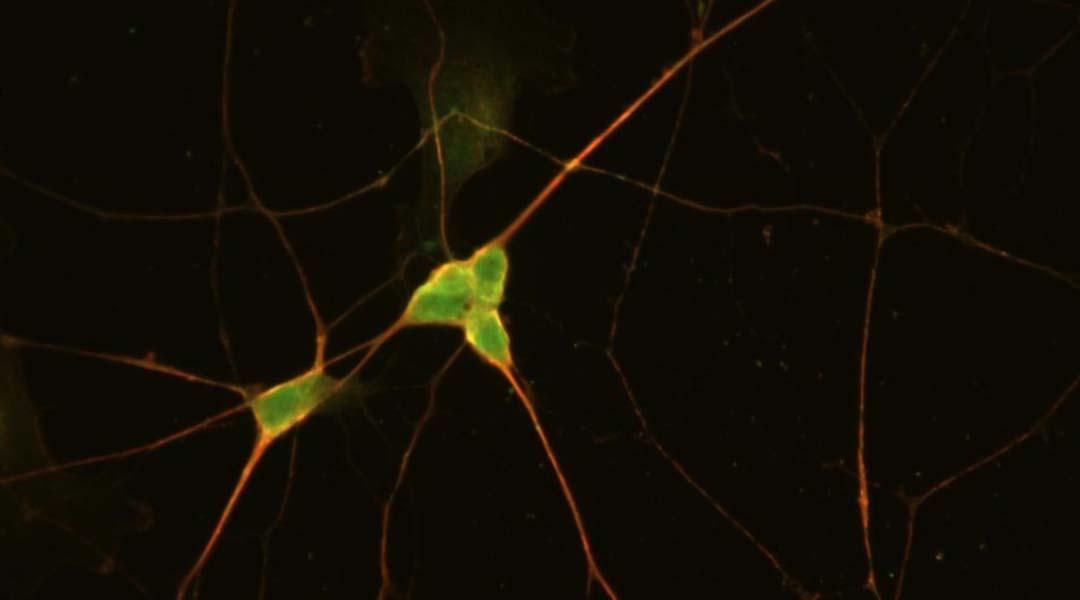
A model based on human stem cell–derived neurons is allowing researchers to understand opioid-induced respiratory failure to improve overdose treatment.

Communicating with animals has long been the dream of scientists and animal lovers alike, and AI has the potential to bring us closer.
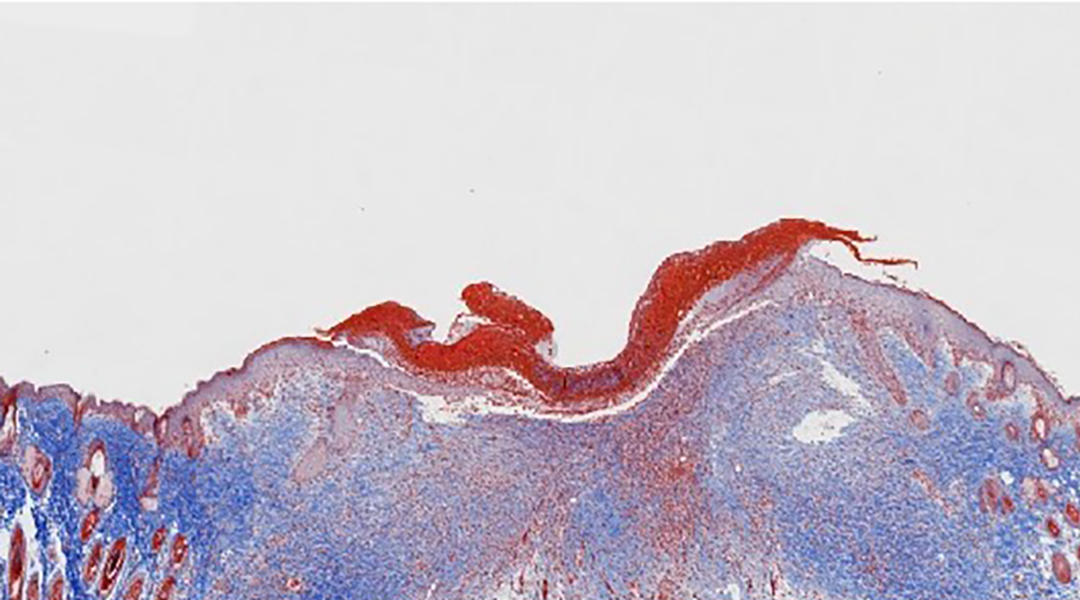
An engineered skin with a new secret ingredient helps avoid harmful inflammation while speeding up the wound healing process.
AI is changing the labor-intensive process of manual cell counting, offering improved accuracy, efficiency, and a door into new scientific applications.

The brain activities of two people who learn fear from each other are known to be in sync, but what role does social status play?

A new device can detect Salmonella on individual products in real-time and with minimal need for laboratory equipment or specialized operators.

Is AI that predicts which paintings are memorable and famous, regardless of content, style, or context, a threat to creativity or tool for positive change?

From holographic sound waves to nanobelt haystacks, this gallery gives a renewed appreciation for scientific exploration.
Bacteria residing inside tumors provide a surprisingly powerful immunotherapy platform to combat different cancers.
 New theory suggests gravity is not a fundamental force
 Higgs boson may be driving the Universe’s expansion
 Water-powered gadgets may be on the horizon thanks to new evaporation-based energy device
 Scientists discover a new class of antibiotics
 Micron-sized hidden dimensions could solve two of physics’ deepest puzzles
 A new type of dark matter could explain mysterious radiation from the Milky Way’s core