Ever take a good look at your shoelaces?
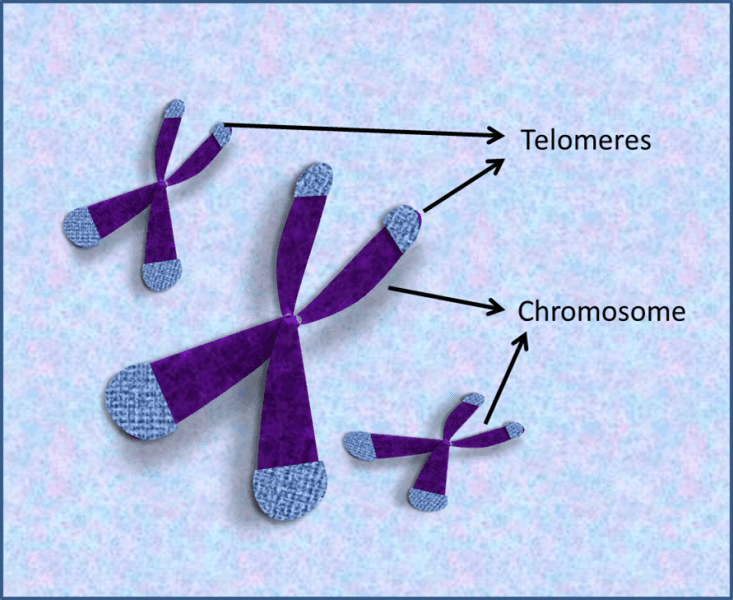

Ever take a good look at your shoelaces?
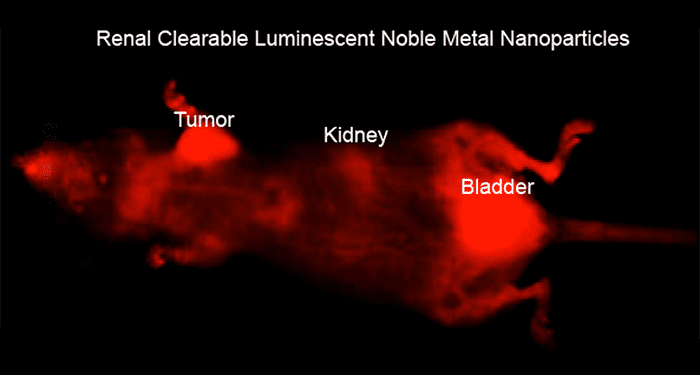
Metal nanoparticles have demonstrated broad and promising biomedical applications in research laboratories, but to fulfill their potential in the clinic demands extensive effort to minimize their non‐specific accumulation in the body.
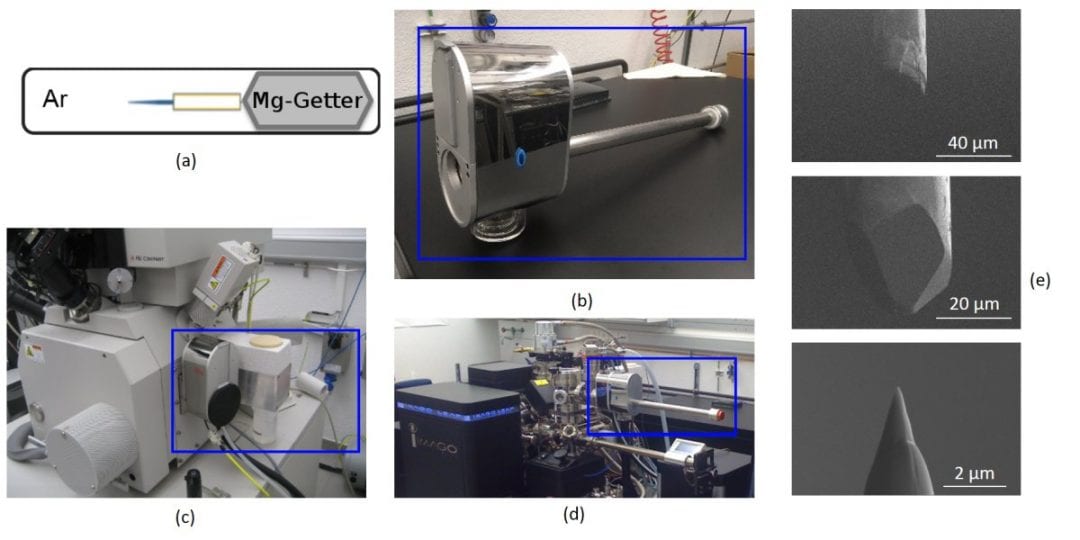
This study presents a novel route to investigate the as-quenched condition of age-hardenable aluminum alloys.
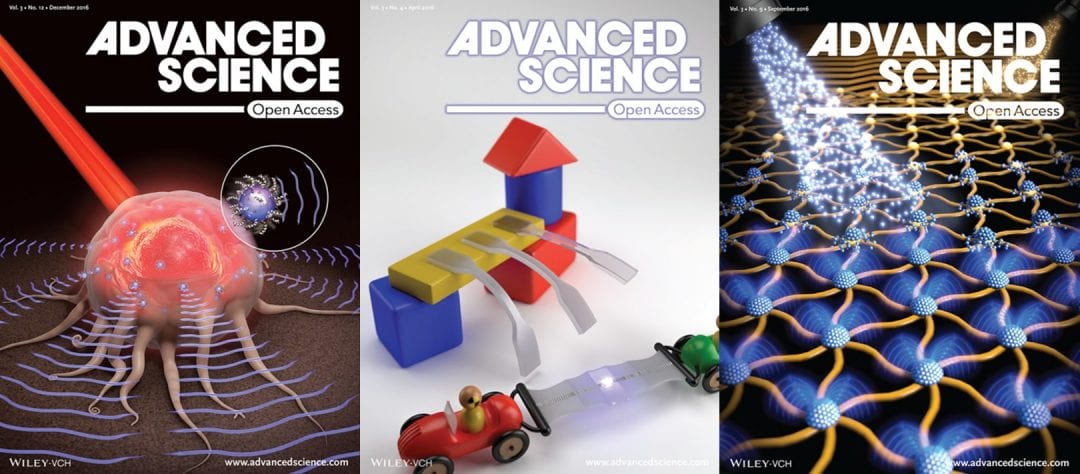
The 4th volume of Advanced Science is launched with issue 1.

In a recent paper published in Global Challenges, researchers from the Centre for Global Health Policy, University of Sussex, report a new mechanism for encouraging the international sharing of virus data that has been created in the field of influenza.
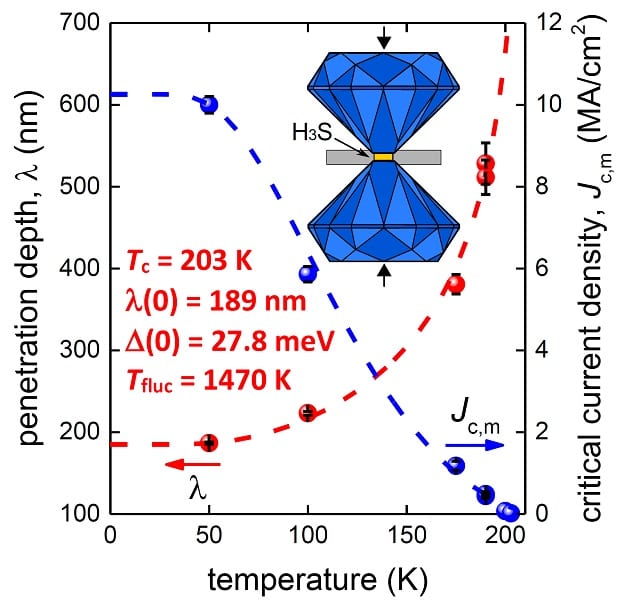
Superconductivity has been discovered in highly compressed hydrogen sulphide at an amazing 203 degrees kelvin.
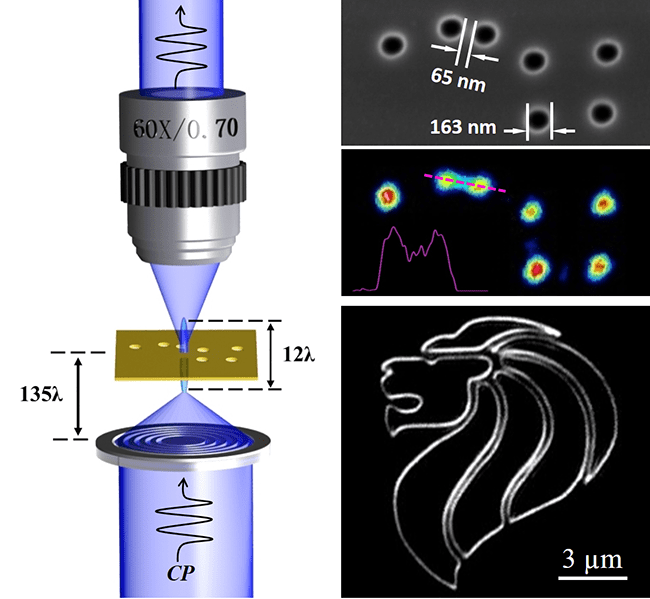
Minghui Hong and colleagues report super-critical-lens (SCL) optical label‐free microscopy, which clearly distinguishes a pattern with a feature size of 65 nm in air and with a 55 μm working distance.
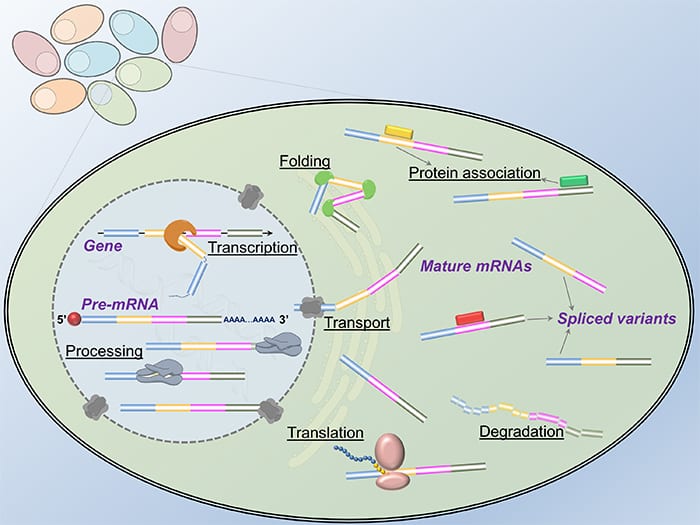
Single-cell RNA analysis is now possible through innovative platforms combining state-of-the-art microscopy methods with various contrast-generating nanomaterials
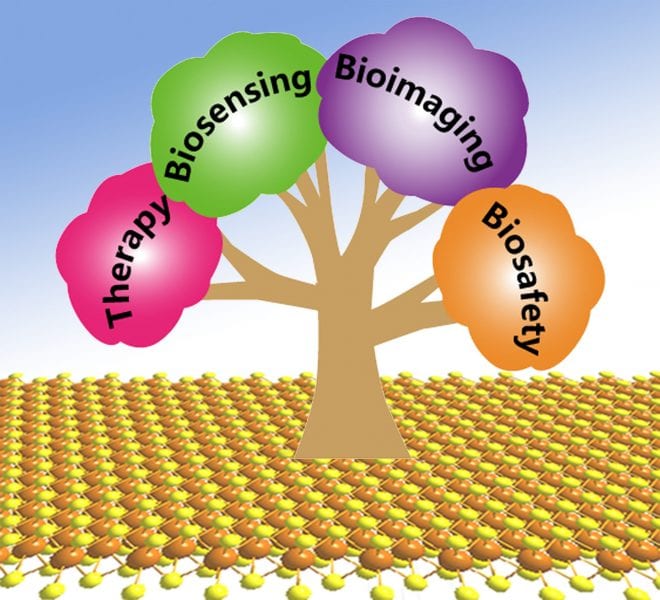
The majority of the developed bio-systems based on 2D transition metal dichalcogenides are reviewed in Small.
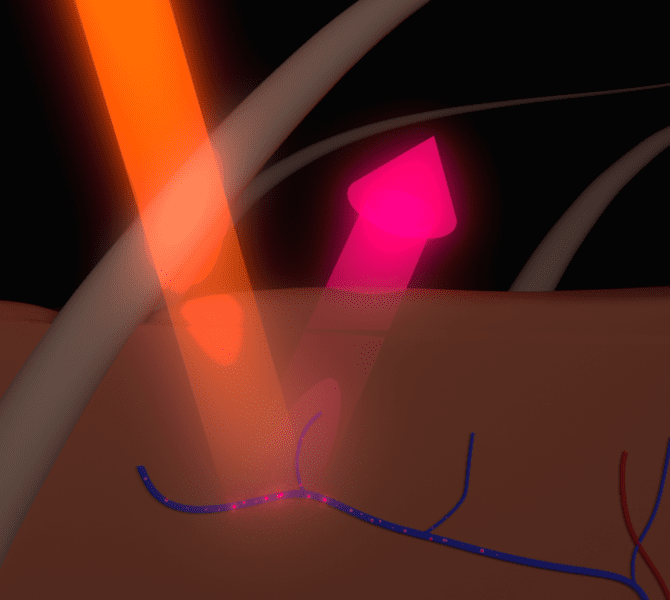
The month’s top articles from the field of nanooptics, optoelectronics, metamaterials, optical devices, detectors & sensors, micro/nano resonators and more.
 New theory suggests gravity is not a fundamental force
 Higgs boson may be driving the Universe’s expansion
 Water-powered gadgets may be on the horizon thanks to new evaporation-based energy device
 Scientists discover a new class of antibiotics
 Micron-sized hidden dimensions could solve two of physics’ deepest puzzles
 Turning Periods into Power: Menstrual Blood a Valuable Resource for Medical Diagnostics