A group from FZ Juelich have investigated methods for controlling magnetic particle clouds on microwire crossbar chips.
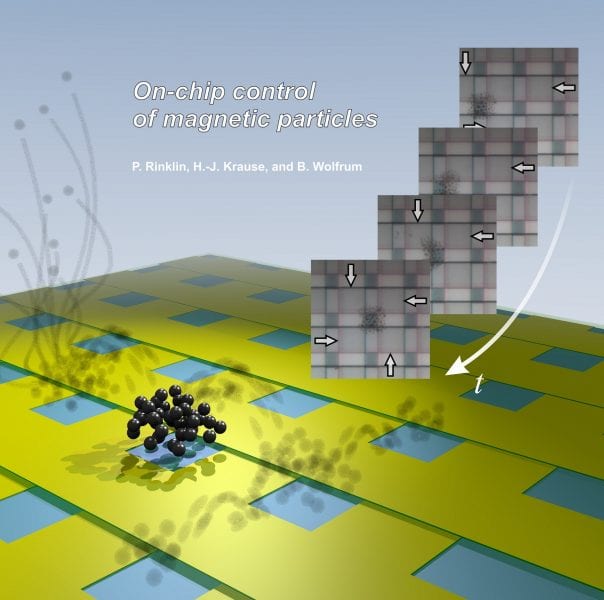

A group from FZ Juelich have investigated methods for controlling magnetic particle clouds on microwire crossbar chips.
This book addresses artificial materials including photonic crystals (PC) and metamaterials (MM). A first part is devoted to design concepts: negative permeability and permittivity for negative refraction, periodic structures, transformation optics. The second...
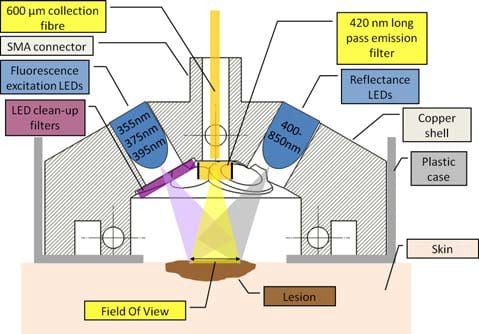
A biopsy is a painful and scarring but often unavoidable procedure. Now, scientists have reported promising results of autofluorescence and reflectance measurements of tissue as a noninvasive approach for basal cell carcinoma diagnosis.
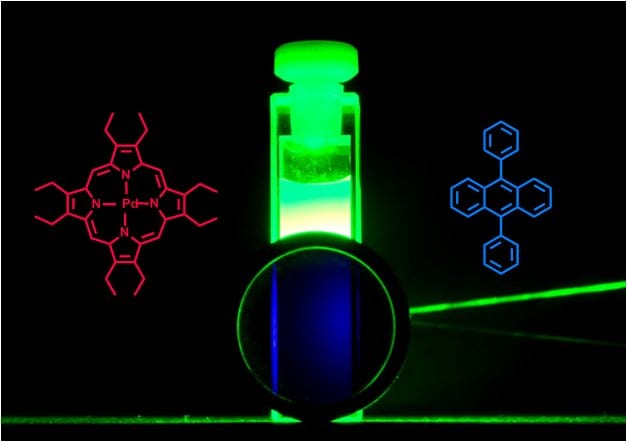
The fabrication of dye-doped cross-linked rubbery nanoparticles with light upconversion properties even at relatively low power densities has been reported by a Swiss/American research team.
Researchers at the Wooley Laboratory have used polymers to mimic the characteristics and actions of biological nanoparticles and structures.
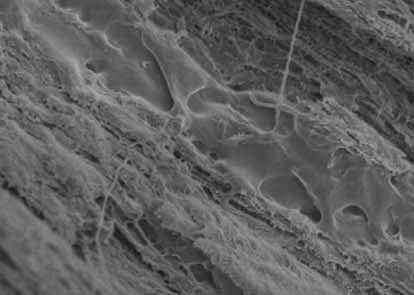
Researchers strengthen the environmentally friendly plastic PLA using cellulose nanofibers.
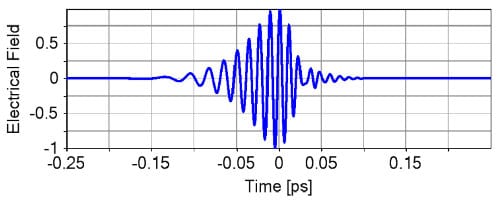
“VirtualLab 5”, a new generation of the optical modeling and design software. VirtualLab was the first field tracer on the market.
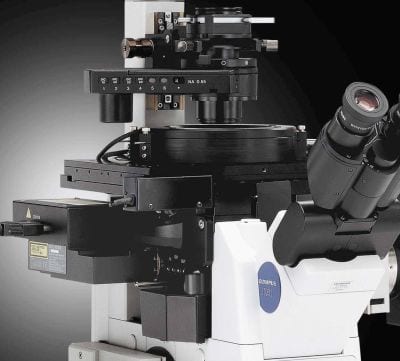
Inverted “IX81” microscope with the new “ZDC2” Z-Drift compensation system which automatically maintains focus when capturing multiple images.
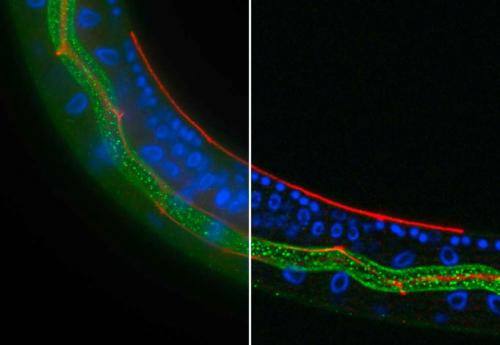
“BX63” microscope systems for maximal quality of fluorescence images captured as part of life science research projects.
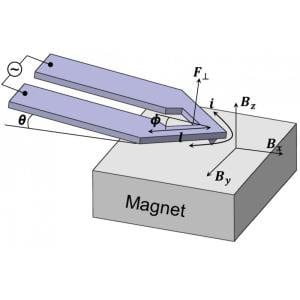
Researchers show that they can perform nanoscale thermal analysis on stiff materials like epoxies and filled composites.
 New theory suggests gravity is not a fundamental force
 Water-powered gadgets may be on the horizon thanks to new evaporation-based energy device
 Micron-sized hidden dimensions could solve two of physics’ deepest puzzles
 Turning Periods into Power: Menstrual Blood a Valuable Resource for Medical Diagnostics
 Solar panels made of lunar dust could power a future Moon base
 Organic materials bring probabilistic computing closer to reality