A new AI diagnostic tool uses microbiome data and lifestyle factors to predict risk of multiple diseases, ushering in a new era of personalized healthcare.

A new AI diagnostic tool uses microbiome data and lifestyle factors to predict risk of multiple diseases, ushering in a new era of personalized healthcare.

Vitamins play a much broader role than just promoting health, shaping and maintaining our unique biology over evolutionary timescales.
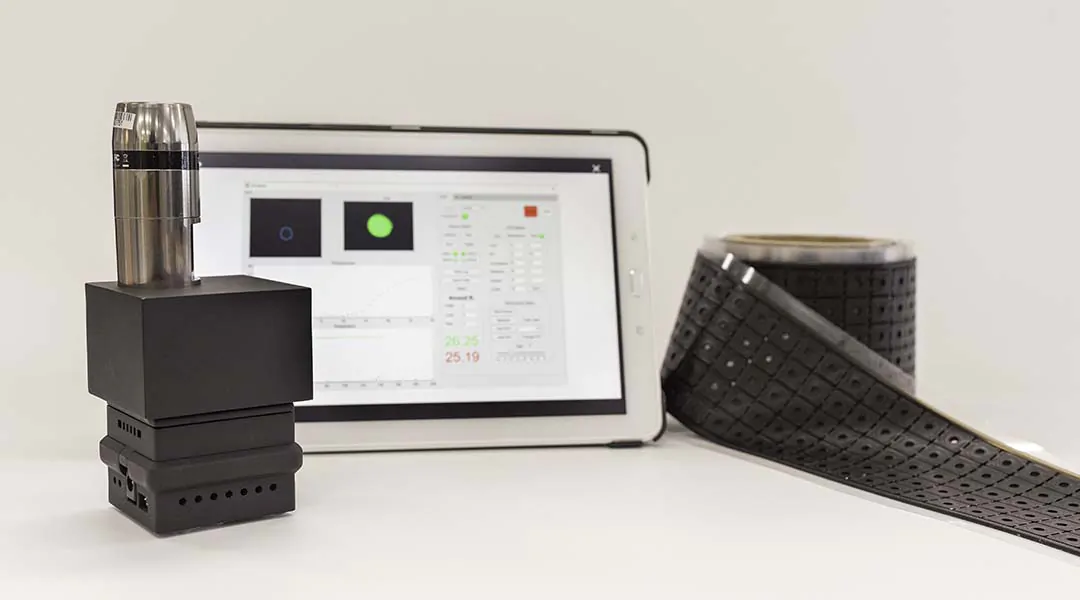
The hand-held device was designed for use by the general public, providing diagnoses in only 15 minutes without the need for appointments and long wait times for results.
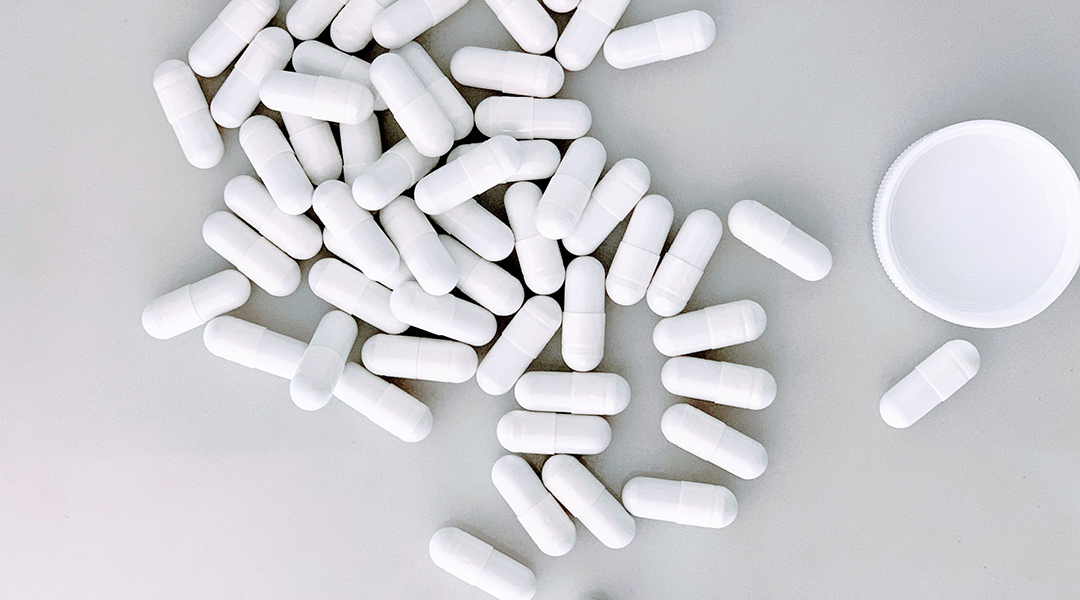
A self-assembling helix formed from nateglinide, a complementary diabetes treatment, provides a protective coating that could open the door to an oral insulin medication.
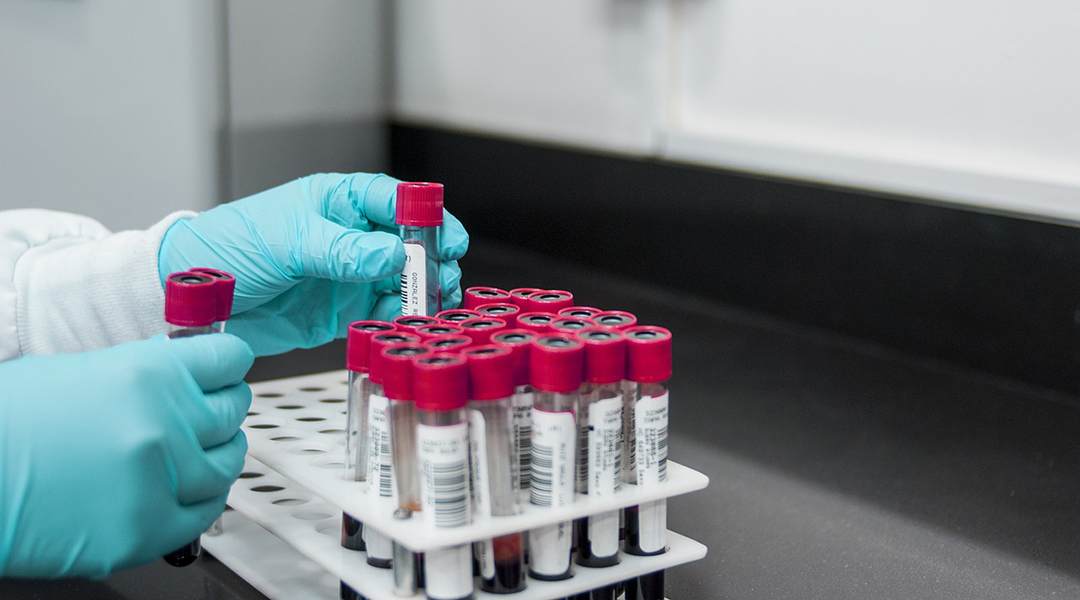
Scientists are hopeful that a new, more sensitive test for detecting ovarian cancer might provide better options, especially for patients with BRCA genes.

Microsystems engineer Can Dincer builds disposable devices to enable personalized medicine.
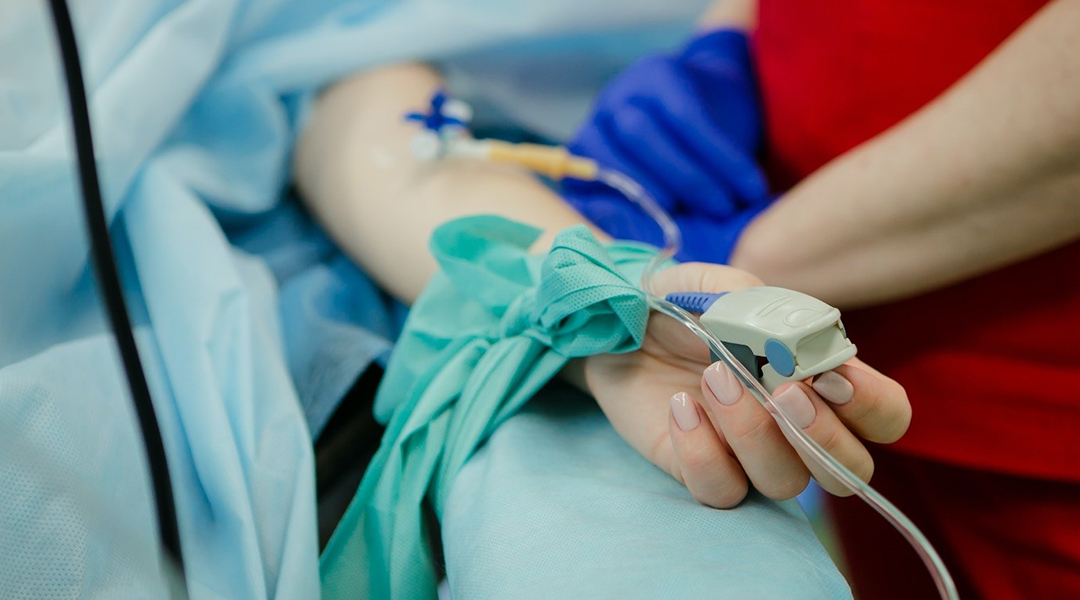
A specific epigenetic signature in patients who respond to chemotherapy offers potential to improve treatment.
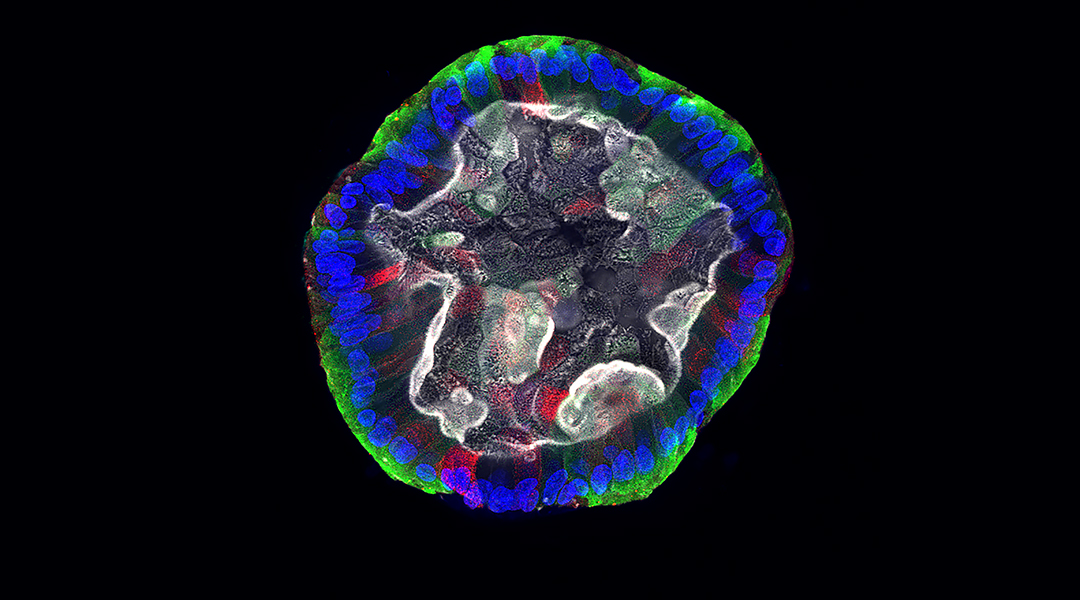
Addressing the lack of diversity in drug testing, scientists are using organoids from voluntary donors to enhance equity and inclusion.

Scientists are delving into the future of hair loss treatments, from macromolecules to laser therapies and CRISPR gene editing.
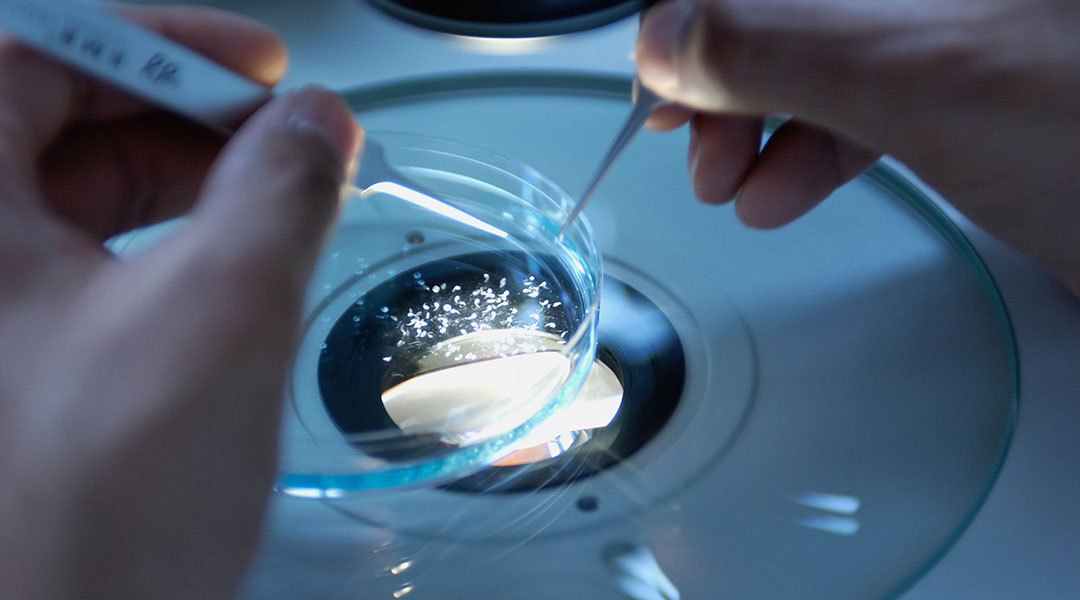
Bacteria residing inside tumors provide a surprisingly powerful immunotherapy platform to combat different cancers.
 New theory suggests gravity is not a fundamental force
 Higgs boson may be driving the Universe’s expansion
 Water-powered gadgets may be on the horizon thanks to new evaporation-based energy device
 Scientists discover a new class of antibiotics
 Micron-sized hidden dimensions could solve two of physics’ deepest puzzles
 A new type of dark matter could explain mysterious radiation from the Milky Way’s core