Conflict between theory and observational evidence suggests a missing ingredient in our understanding of the early Universe.

Conflict between theory and observational evidence suggests a missing ingredient in our understanding of the early Universe.

Using the motion of sound waves through a superfluid liquid, scientists can model the Universe’s evolution on a reasonable time scale.
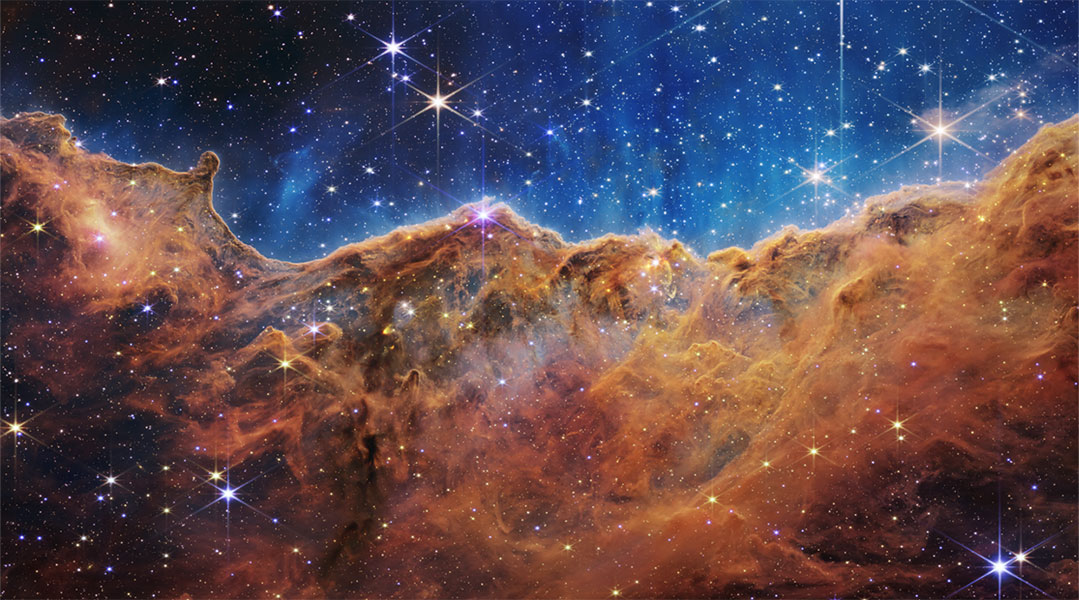
Astronomers are discovering that the rate of star formation in the universe is dropping, and they want to know why.
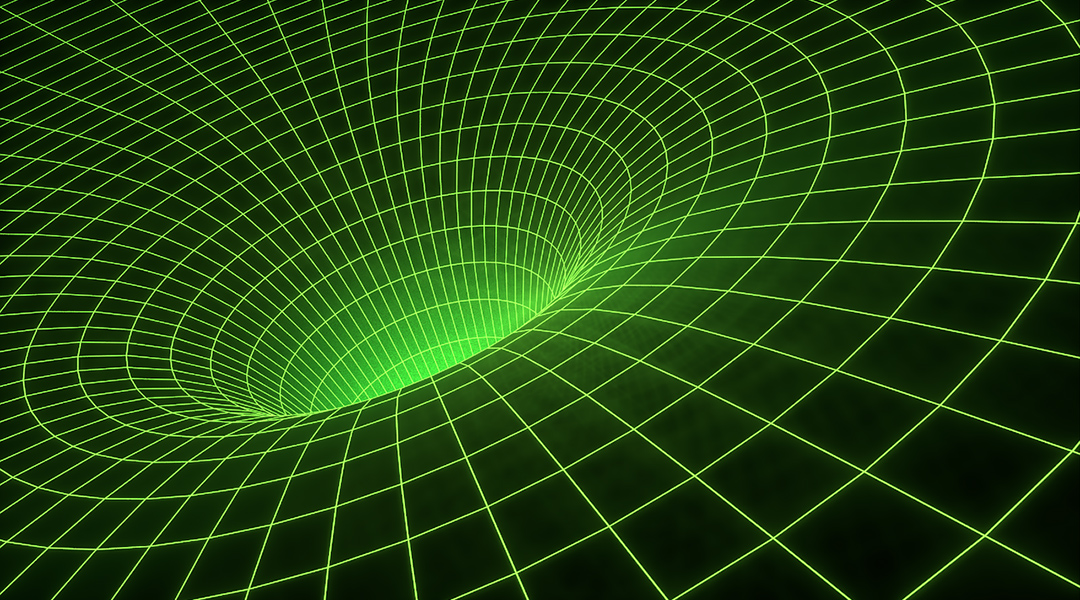
To address unknown quantum gravitational effects in the early universe, physicists have recruited string theory to help solve the problem.

The twenty gravitationally connected galaxies extend through the early Universe for millions of light years.
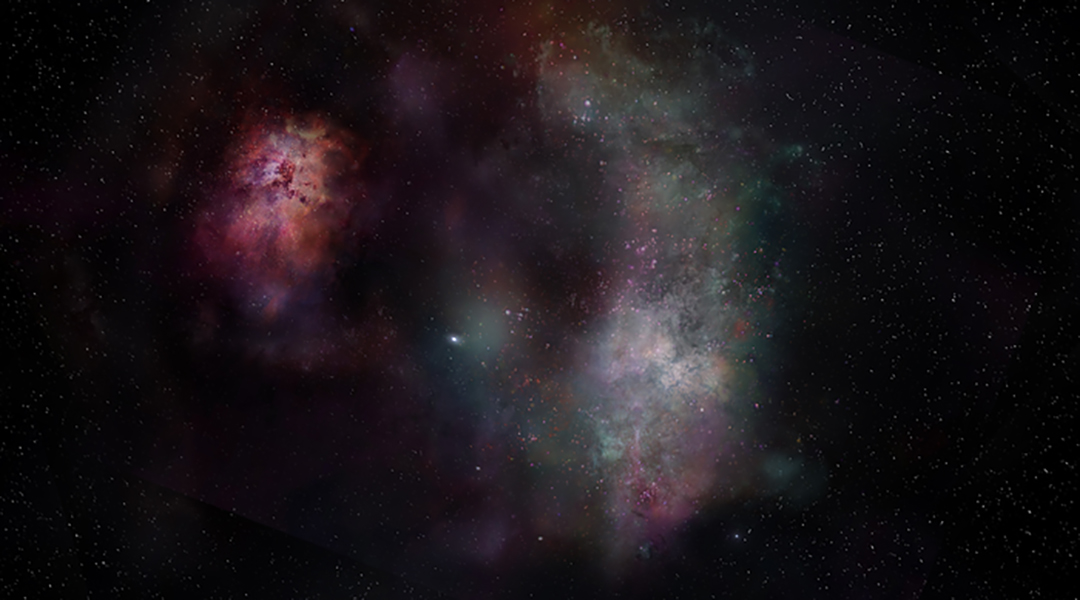
Water and carbon detected in a galaxy 13 billion light-years away provide a glimpse into how these elements impacted the development of the early universe.
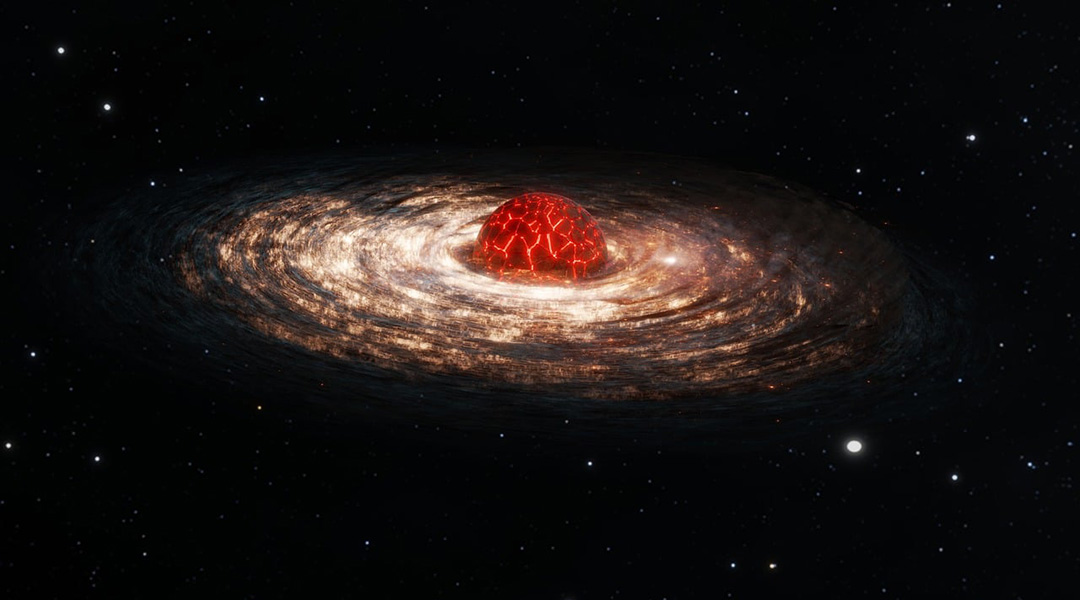
While dark matter’s enigmatic nature persists, Proca stars made of dark photons could help shed light on this cosmic mystery.
The new findings contradict most observations of supermassive black holes, making this an unprecedented discovery.
Gravitational waves could be the key to imaging elusive primordial black holes born in the first moments of our Universe.
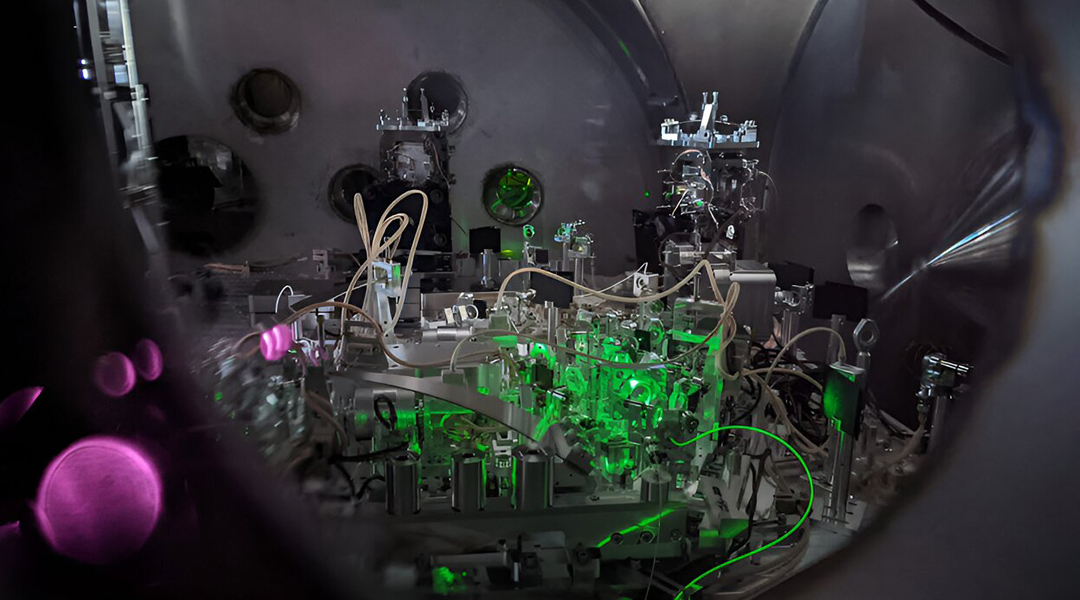
Physicists working on LIGO have surpassed the quantum limit to enhance gravitational wave detectors and revolutionize astrophysical observations.
 Titanium-based metamaterial unlocks strength beyond nature
 An anti-inflammatory peptide may hold the key to low-back pain relief
 Materialism matters: The role of philosophy in science
 Researchers uncover a fundamental driver behind osteoarthritis
 Ibuprofen’s effect on red blood cells: A prickly affair
 Quantum entanglement visualized for the first time ever
 The dramatic story behind general relativity’s Nobel Prize snub
 New anti-aging ingredient pulled from medicinal herb
 How the brain protects itself from the negative effects of CBD
 Scientists discover breakthrough light-matter hybrid