Researchers in India have developed a simple test that can detect several types of antibiotic drugs in one sample. Just adding a few drops of a fluorescent chemical to the sample will make it glow brighter or dimmer depending on the antibiotic found in it, and the total amount can then be easily quantified with a smartphone camera.
With global use of antibiotics on the rise, not just as routine prescriptions but also in farming and agriculture, these drugs often end up in the environment. Among other problems, this is contributing to a sharp increase in antimicrobial resistance; a recent UN report found that, in some countries, up to one in every three infections is now resistant to antibiotics.
“Antibiotic pollution is increasing at an alarming rate day by day,” states Abhimanew Dhir, assistant professor of chemistry at the Indian Institute of Technology Mandi and senior author of the study. “Residues of several classes of antibiotics are becoming hazardous. Through accumulation in the environment, they enter into the food chain causing adverse effects on human and animal health.”
Detecting antibiotics in food, water, the environment, or a clinical sample is critical for our safety, as well as to fight antibiotic resistance; however, a lack of fast, portable tests to detect the presence of antibiotics currently poses a major obstacle.
To address this challenge, the researchers turned to a type of chemical known as aggregation-induced emission (AIE) materials. These are fluorescent compounds that produce more or less light depending on whether they are in powder form or dissolved into a liquid, making them ideal candidates for the development of biological sensors.
Dhir and colleagues engineered an AIE material to react with specific chemical groups found on a range of antibiotic drugs, changing the brightness of the light it emits. Its performance was then tested against 10 different antibiotics belonging to three major drug classes. Adding the fluorescent sensor to a liquid solution turned the intensity of the light up in the presence of antibiotics belonging to the fluoroquinolone class, and down when drugs of the thioamide or tetracycline classes were present.
“To the best of our knowledge, this type of extensive fluorescence recognition towards different antibiotics is unprecedented,” notes Dhir.
The team then wanted to assess how this sensor could be used in practice. They spiked urine samples with antibiotics and used a color-picking app on a smartphone to quantify the color changes triggered by the fluorescent probe. This method worked even at very low antibiotic levels, emphasizing its potential as a quick and practical antibiotic detection test.
Fluorescence sensors can be a very efficient tool to quantify antibiotics with high accuracy, overcoming major limitations of the chromatography and spectrometry techniques currently used to detect and quantify antibiotics, writes Chunyan Sun, professor of food quality and safety at Jilin University, who was not involved in the study. “[Conventional] detection methods have excellent performance but often require huge equipment, high cost, and skilled personnel, which limits real-time detection and monitoring of on-site threats and other applications.”
In comparison, this new sensor offers a practical and affordable alternative for antibiotic detection, with the added benefit that the test can be performed anywhere rather than having to send over samples to specialized lab facilities. While more research will be needed to confirm these results and develop a commercial-grade test, the researchers hope this work will pave the way for the scientific community to continue exploring applications of these sensors in the detection of antibiotics as well as other drugs.
Reference: Shagun et al., Dansyl Based AIE Material for Multimodal Recognition of Antibiotics. Asian Journal of Organic Chemistry (2025). DOI: 10.1002/ajoc.202500207
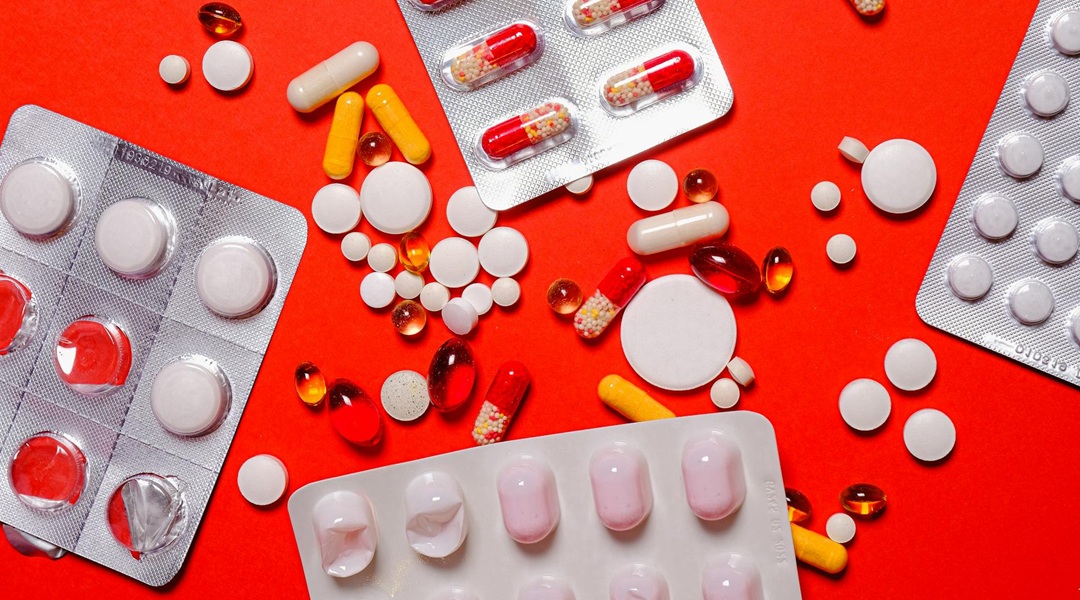
Featured Image Credit: Anna Shvets via Pexels