Nanoparticles can carry two different anti-cancer drugs and deliver them to separate parts of the cancer cell where they will be most effective.
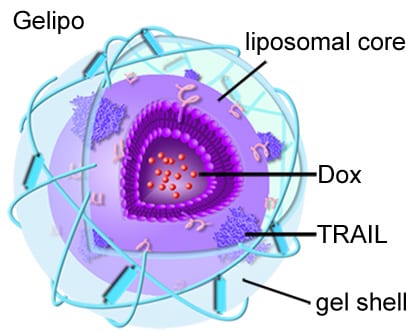

Nanoparticles can carry two different anti-cancer drugs and deliver them to separate parts of the cancer cell where they will be most effective.
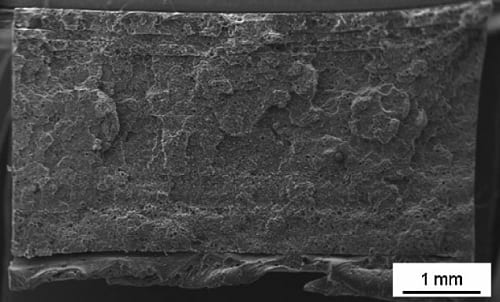
Researchers from Universities in Germany, Brazil, and Israel designed promising multilayer composites applicable as bone fracture fixation devices but also for other orthopedic applications.
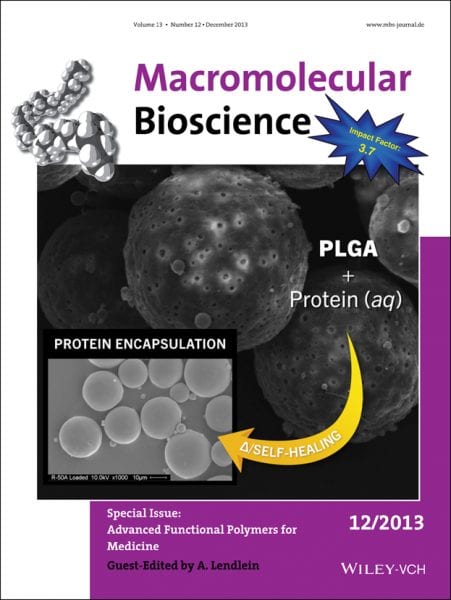
A special issue guest-edited by Andreas Lendlein has recently been published in Macromolecular Bioscience. Read selected highlights for free for a limited time!
Researchers develop polymer-based mucus-penetrating particles (MPP) loaded with paclitaxel, a frontline chemo drug.
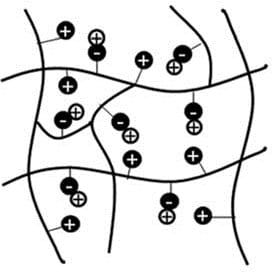
Progress on the development of polyampholyte polymers for use in biomedical applications is reviewed.
Researchers design and develop a novel type of disulfide core-crosslinked polyurethane micelle for anti-cancer drug delivery.
Swiss researchers investigate the magnetic responsiveness of cytocompatible polyethylene functionalized carbon coated cementite and magnetite nanoparticles.
For a limited time you can now take a look at selected reviews and feature articles for free!
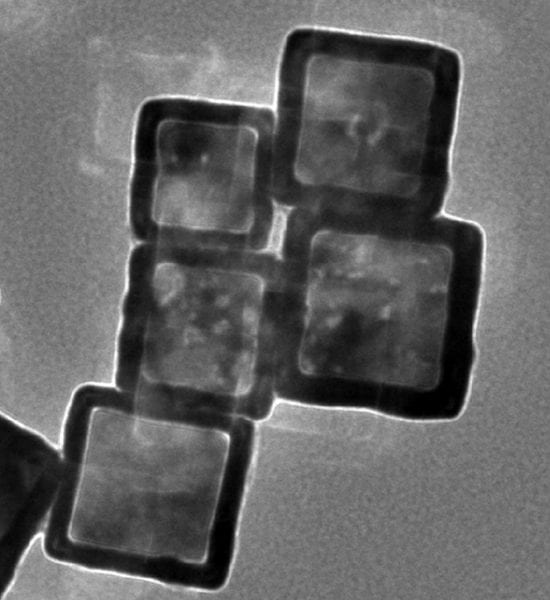
A noninvasive, controlled method of drug delivery via functionalising gold nanocages for Alzheimer’s disease therapy increases the therapeutic efficacy of chelation therapy.
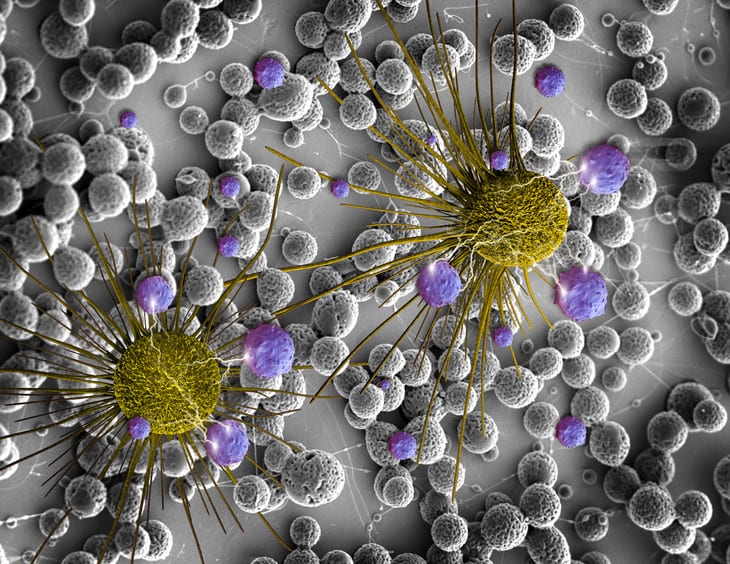
Microcapsules containing a brain cancer drug may simplify treatment and provide more tightly controlled therapy, according to Penn State researchers.


 Micron-sized hidden dimensions could solve two of physics’ deepest puzzles
 Turning Periods into Power: Menstrual Blood a Valuable Resource for Medical Diagnostics
 Surfactants Steer Supraparticle Structure
 Bone loss in obesity traced to gut microbiota
 Edible electronics realize safe, complex monitoring devices
 Fermilab Confirms Muon g-2 Measurements