After fires strip away vegetation, common Mediterranean lizards rapidly shift color to reflect heat, darkening again once the landscape recovers.
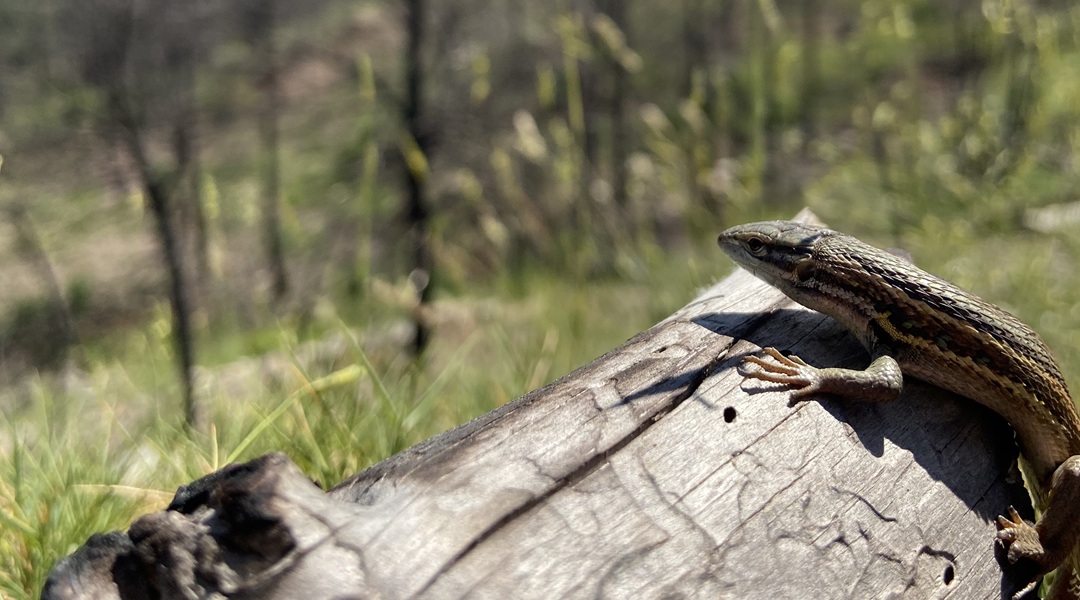

After fires strip away vegetation, common Mediterranean lizards rapidly shift color to reflect heat, darkening again once the landscape recovers.
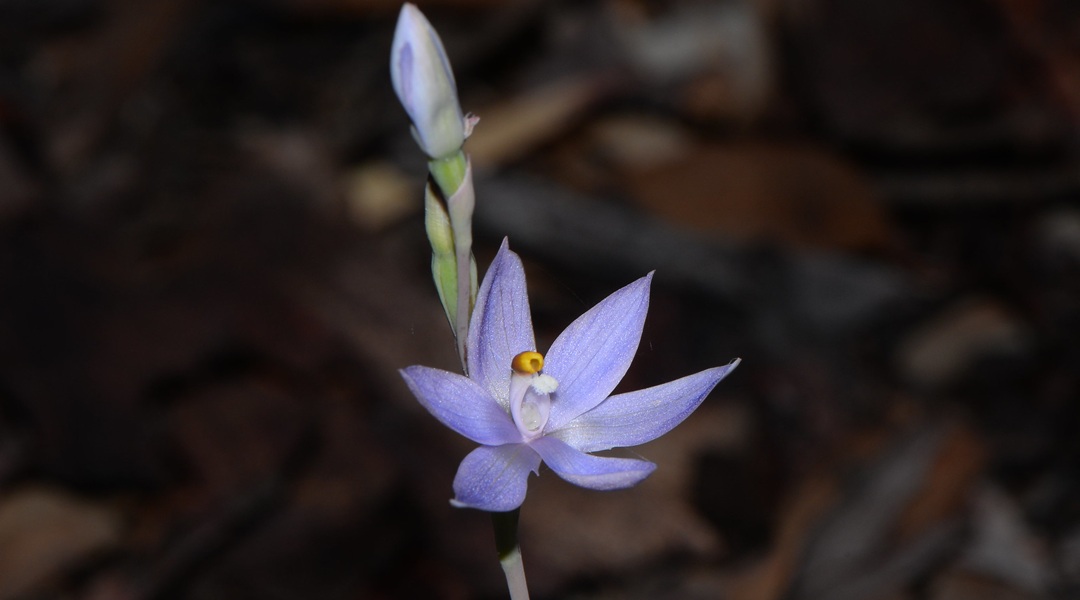
Bees fooled by mimicry help pollinate sun orchids, driving fruit production.
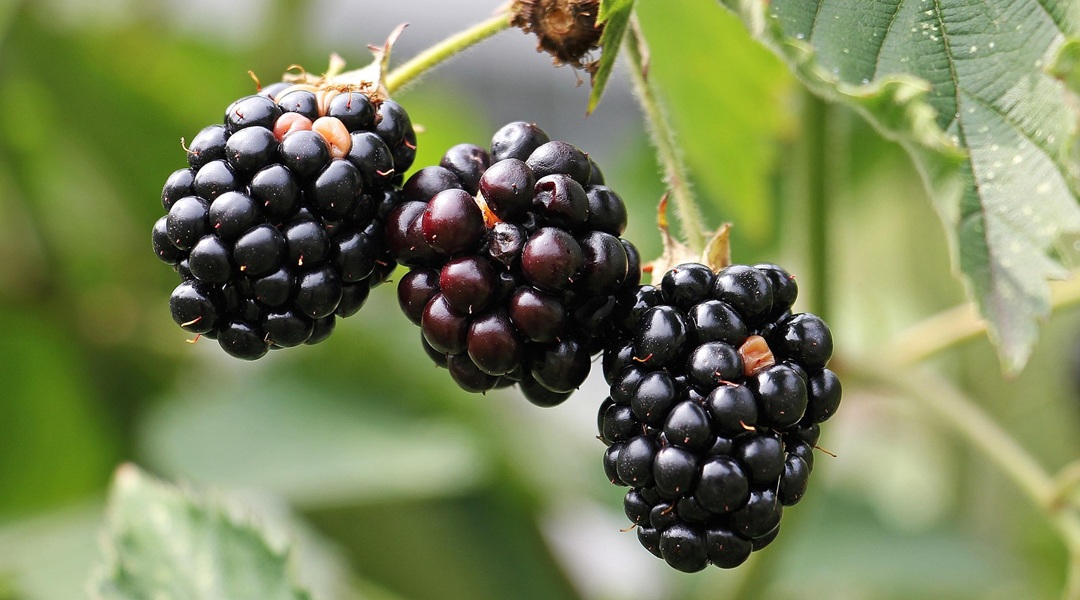
Field observations across the Americas show that birds’ choice of fruits depend on exploration, learning and context far more than fruit colour.
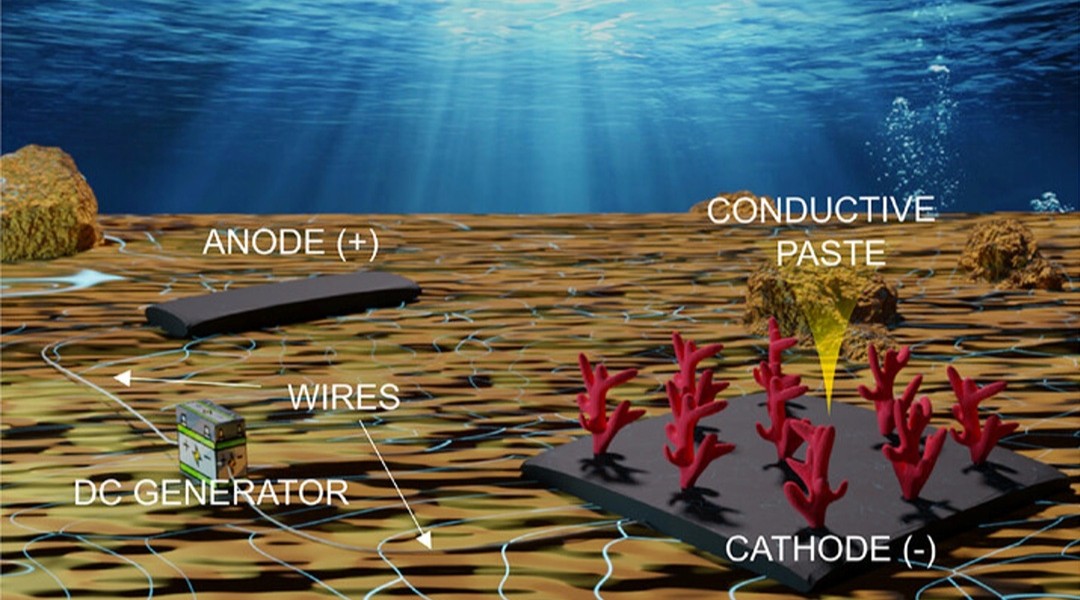
Conductive paste boosts the growth of coral fragments, accelerating restoration activities.
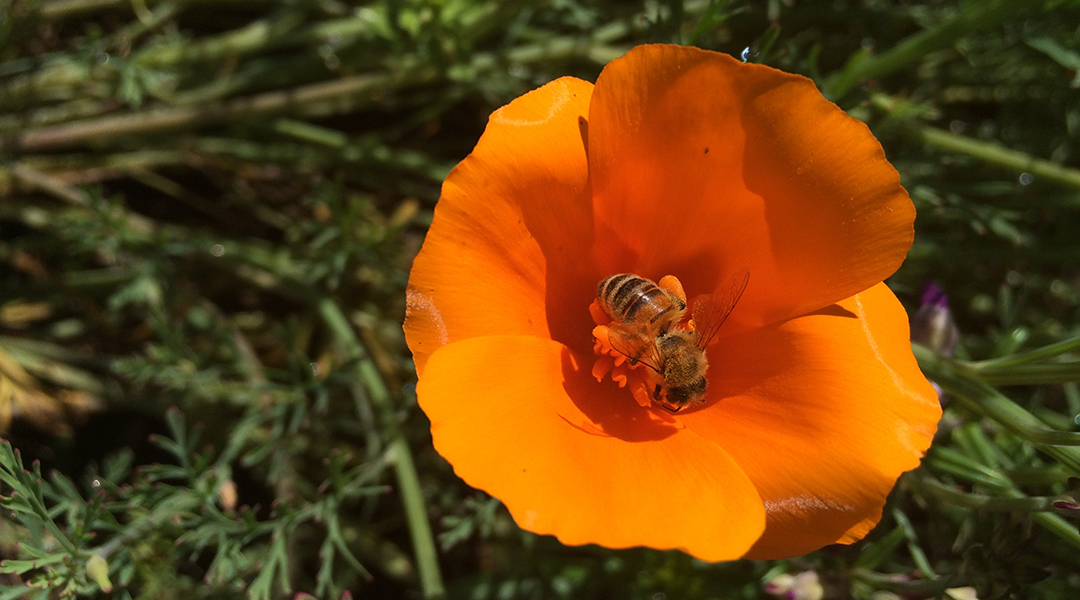
Honey bees compete with wild bees for resources in croplands, but nutritious wildflower plantings can mitigate these effects.
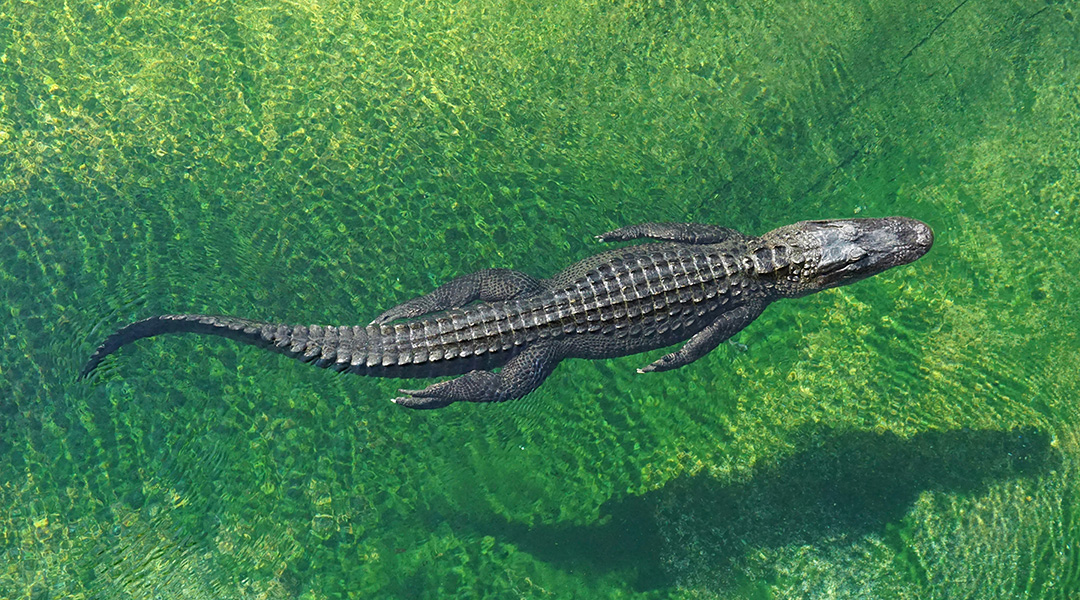
The decline of freshwater megafauna, including river dolphins, hippos, and crocodiles, is triggering significant consequences for ecosystems.
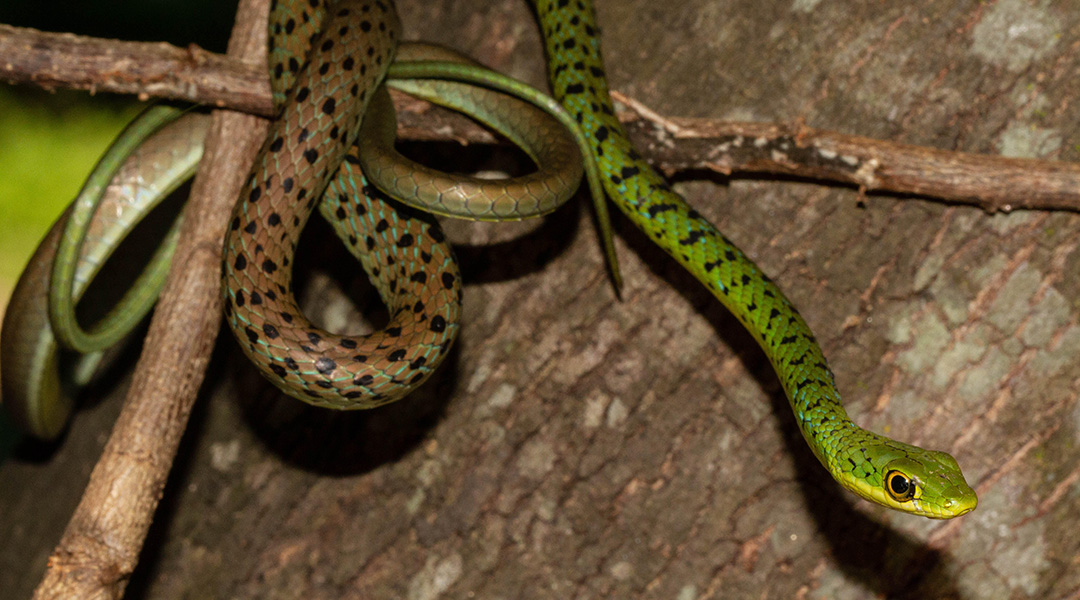
With Africa’s population set to double by 2050, many snake species face a higher risk of extinction, prompting concerns among conservationists.
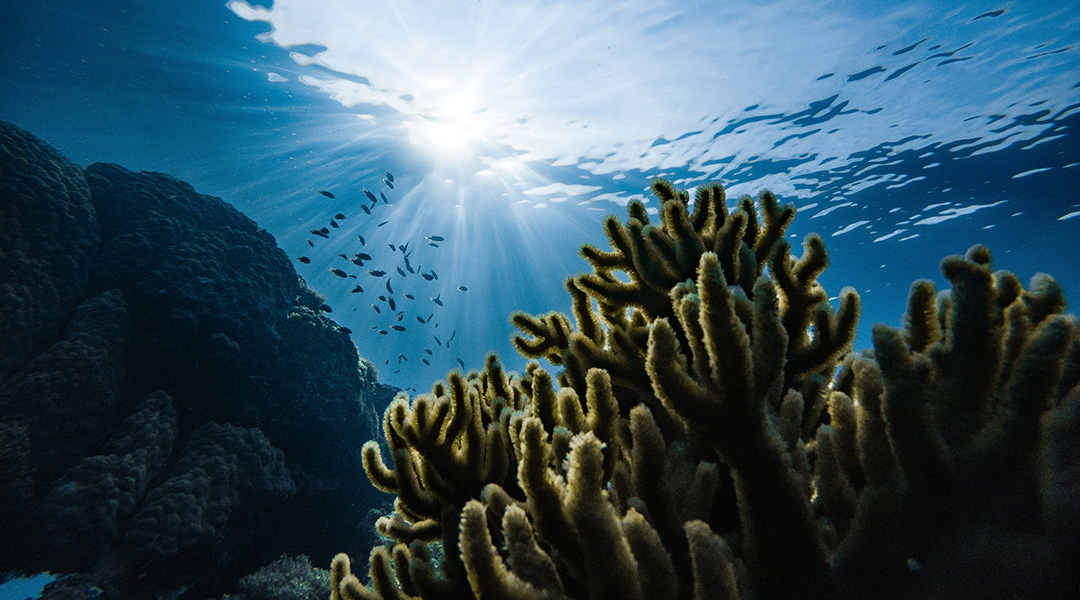
Innovative cryopreservation technique revives adult corals, safeguarding their genetic material to seed future populations.
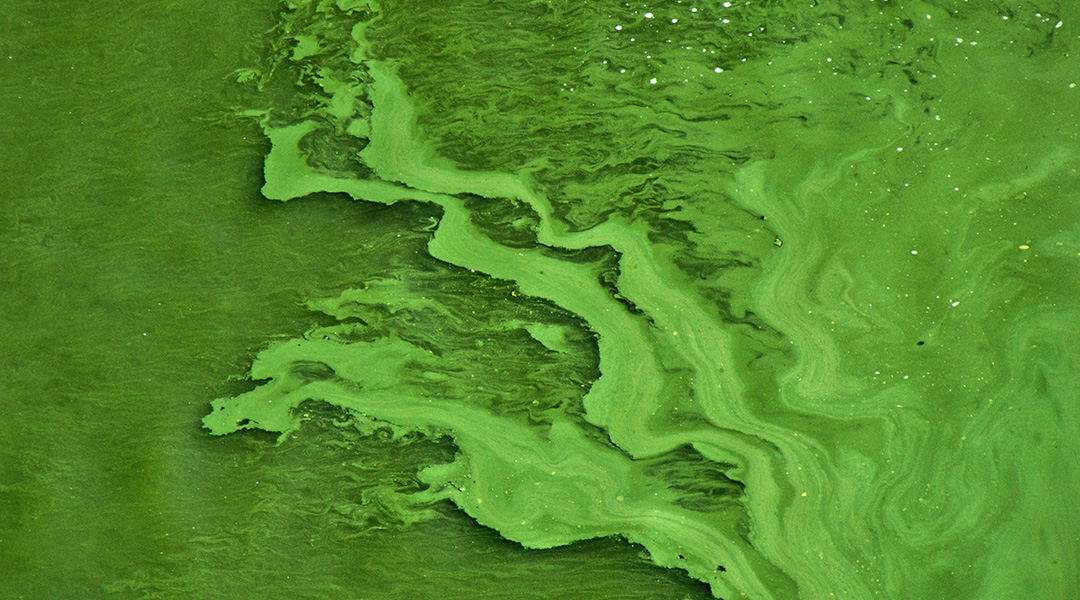
Contrary to previous assumptions, giant viruses play a vital role in sustaining algal blooms that form around the world every year.
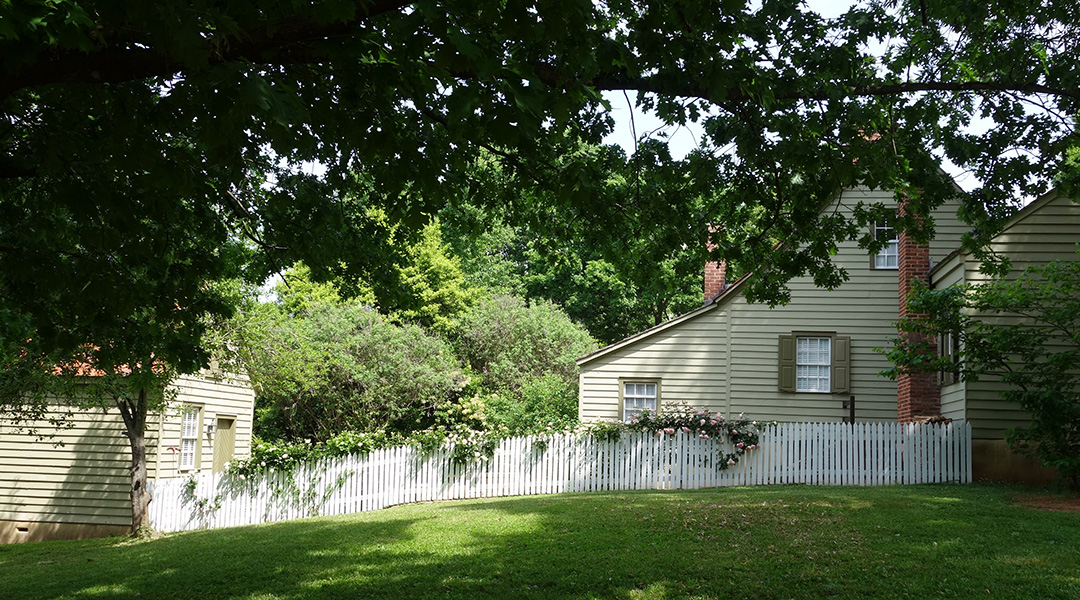
A year-long survey of an ordinary urban lot found over 1000 unique species, revealing our yards are home to a great diversity of life.
 New theory suggests gravity is not a fundamental force
 Higgs boson may be driving the Universe’s expansion
 Water-powered gadgets may be on the horizon thanks to new evaporation-based energy device
 Scientists discover a new class of antibiotics
 Micron-sized hidden dimensions could solve two of physics’ deepest puzzles
 A new type of dark matter could explain mysterious radiation from the Milky Way’s core