More than 250 million years ago, weigeltisaurids became the first vertebrates to glide through the air, with a flight system unlike anything alive today.


More than 250 million years ago, weigeltisaurids became the first vertebrates to glide through the air, with a flight system unlike anything alive today.

Decades of tracking two albatross colonies showed that unpredictable conditions push birds toward slower reproductive strategies.
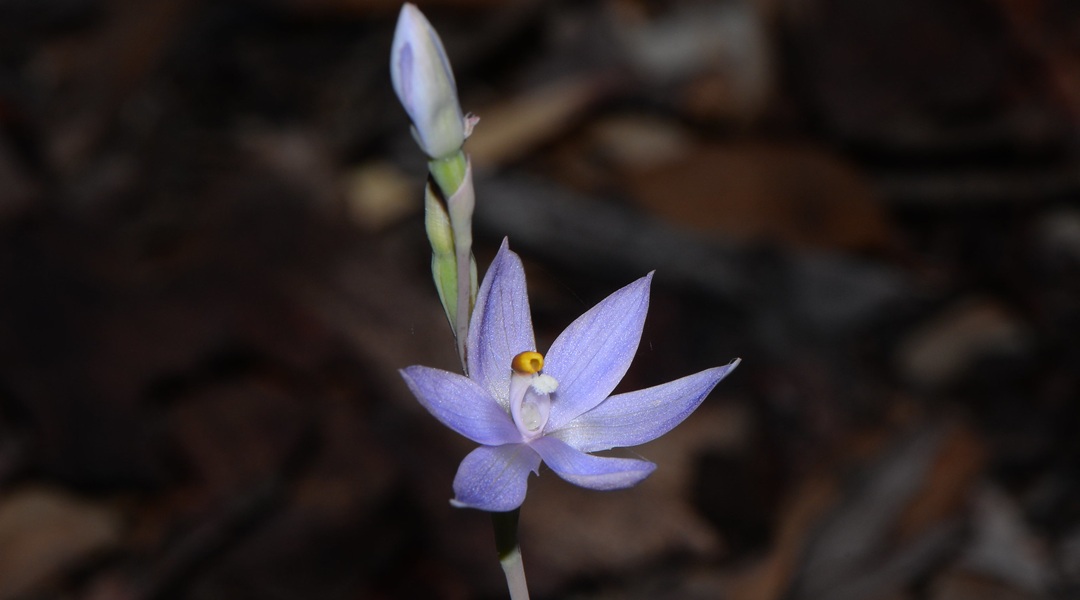
Bees fooled by mimicry help pollinate sun orchids, driving fruit production.
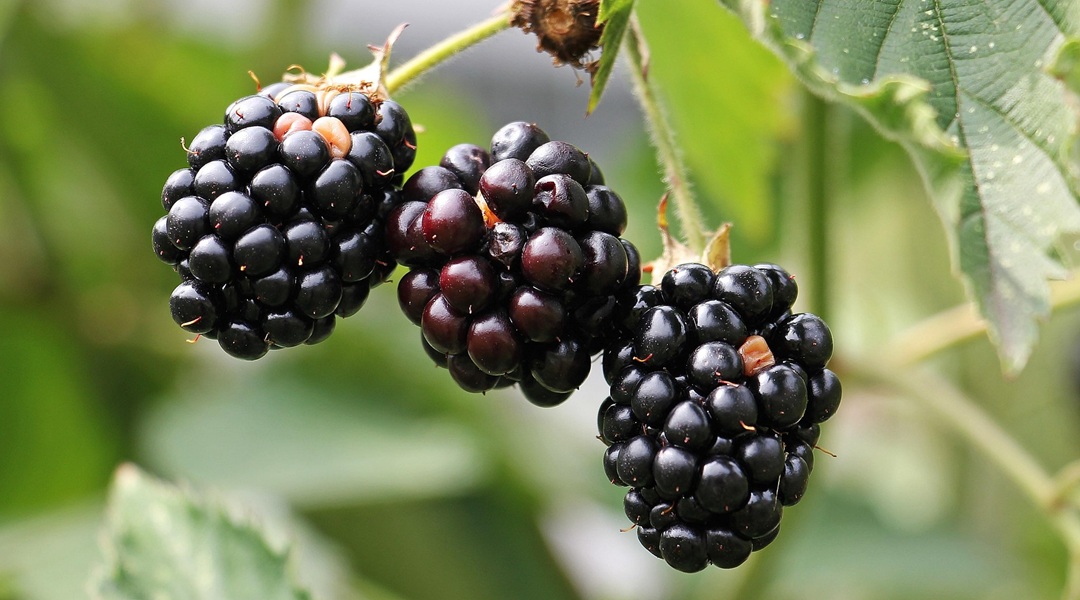
Field observations across the Americas show that birds’ choice of fruits depend on exploration, learning and context far more than fruit colour.
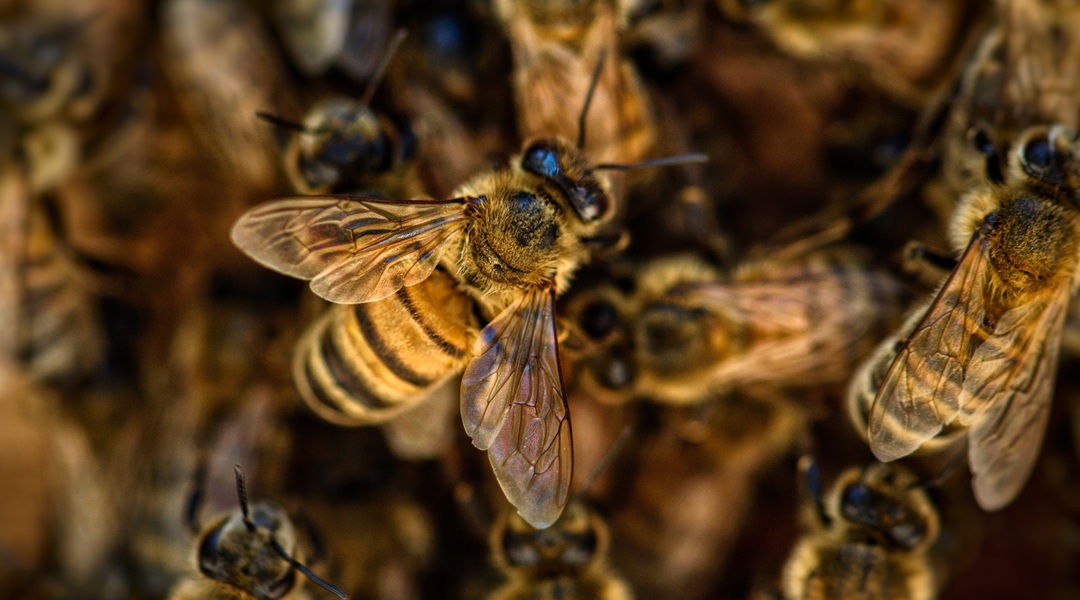
Honey bees more susceptible to heat are the first to initiate fanning behaviours that help the hive cool down.
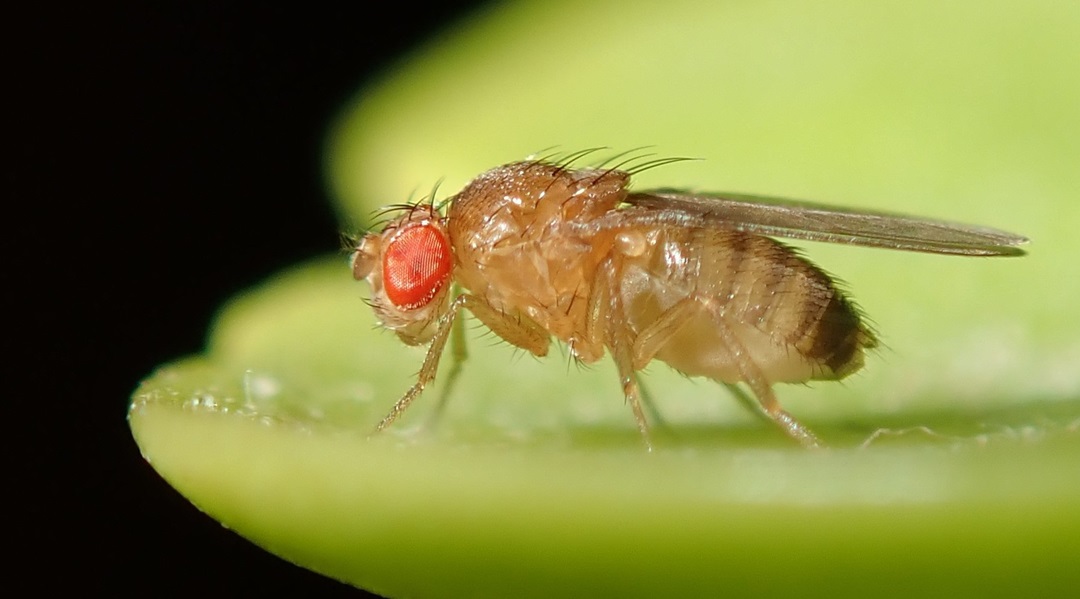
Infected fruit flies use behavioral fever against deadly parasitoid wasps.
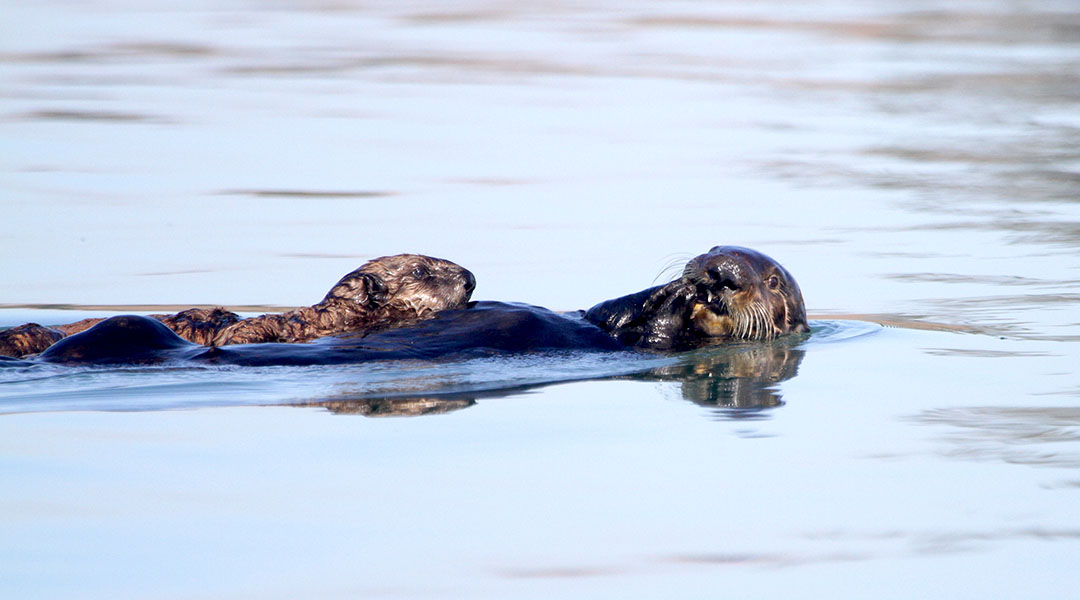
A comprehensive study by Sea Otter Savvy reveals the significant energy costs of human disturbance on sea otters, highlighting the need for better conservation practices to protect these vulnerable marine mammals.
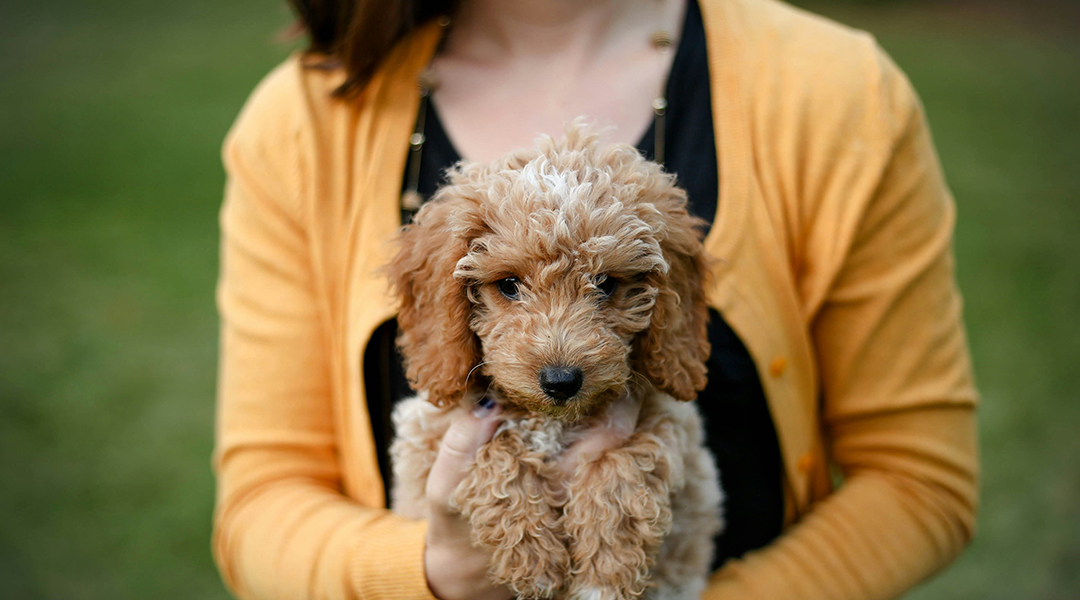
Scientists have discovered that human and dog brain waves synchronize during social interactions, offering new insights into our unique bond.
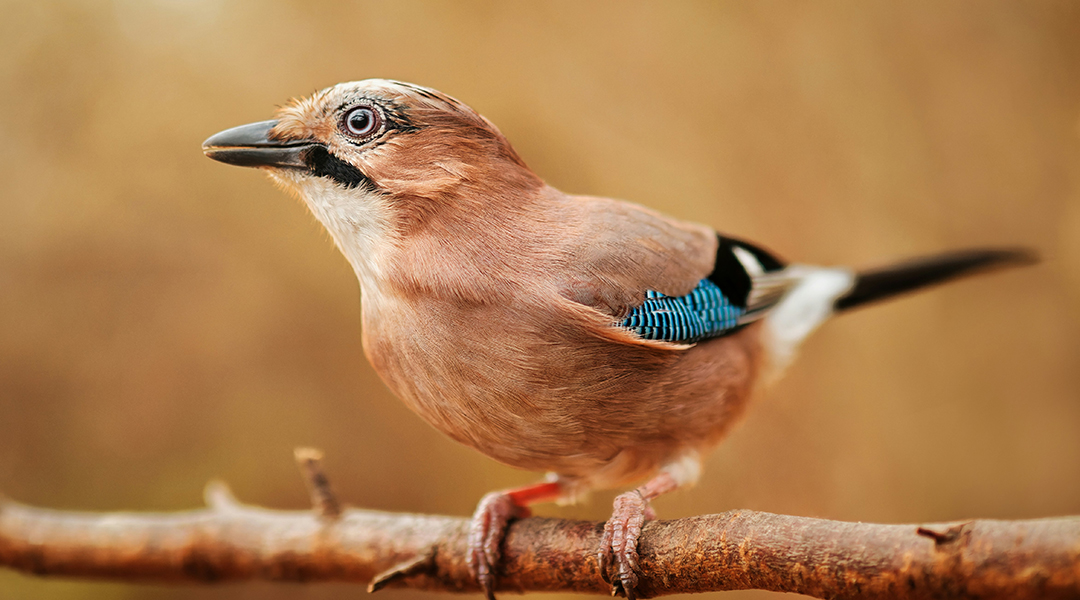
Jays exhibit a type of memory recall through which they can mentally relive past events.
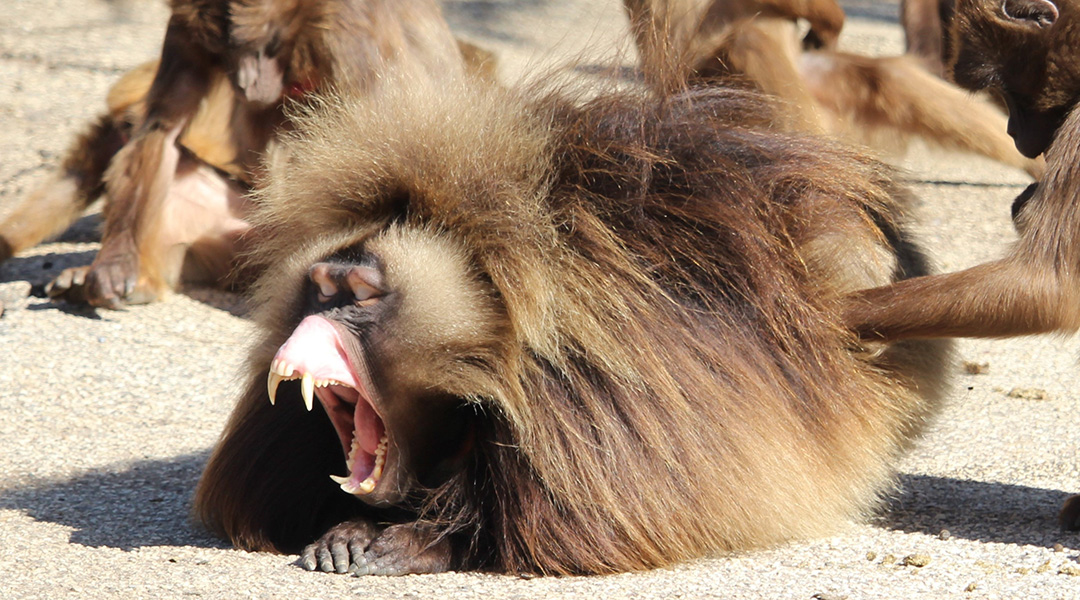
Gelada monkeys audibly and loudly yawn, triggering a contagious response within their groups, mirroring human behavior.