Analyzing biomolecules found in the breath, scientists can detect early signs of deadly blood clots found in diseases like COVID-19, heart disease, sepsis, and more.
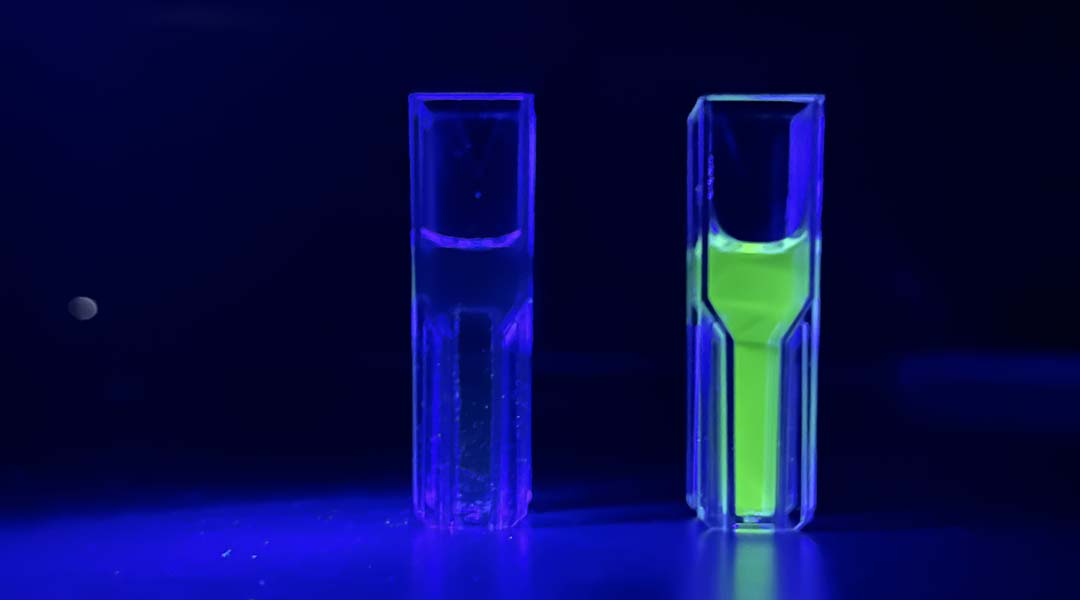


Analyzing biomolecules found in the breath, scientists can detect early signs of deadly blood clots found in diseases like COVID-19, heart disease, sepsis, and more.

As glaciers melt, groundwater springs become active and start to release greenhouse gases into the atmosphere

When deciding whether or not to build bridges out of their chained bodies, weaver ants take prior collective investment into account.
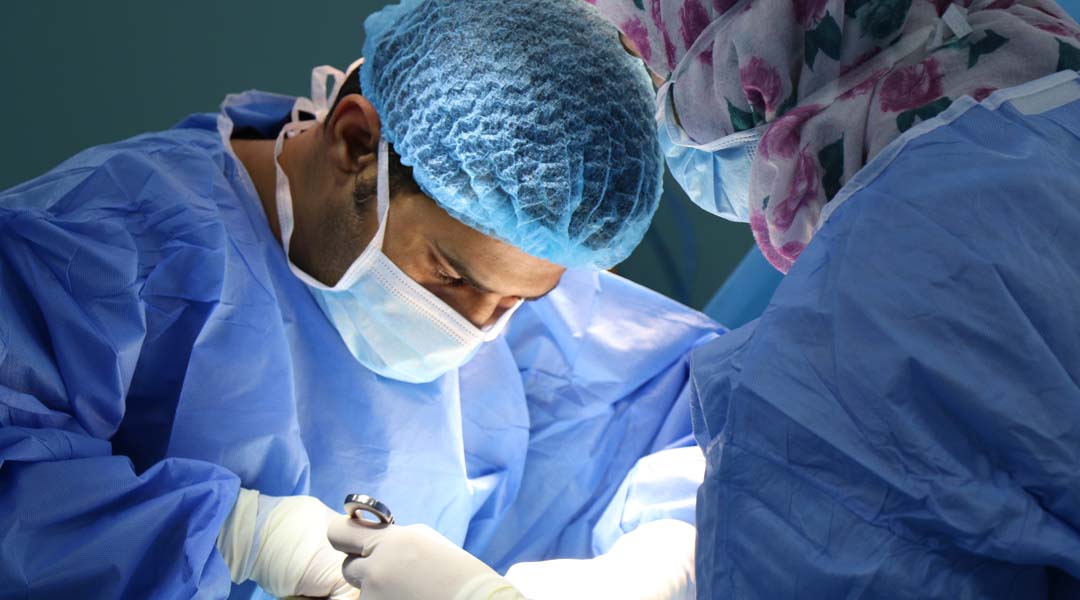
An acid sensitive hydrogel makes it possible to detect dangerous leaks before they cause damage.
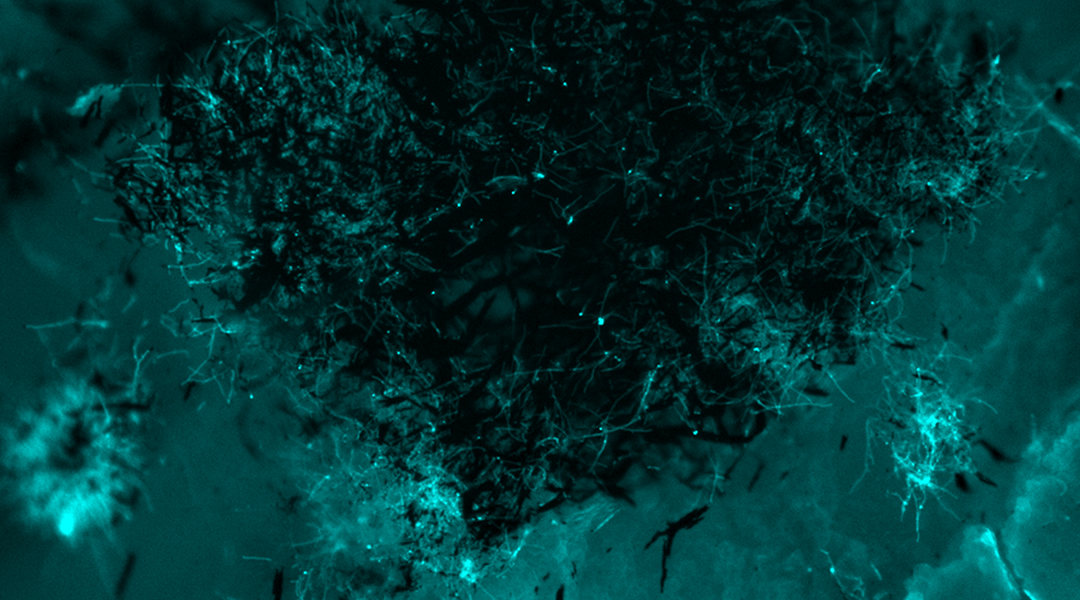
To curb the rising threat of fungal infections, researchers crafted iron oxide nanoparticles as speedy, effective, and inexpensive antifungal agents.

The interplay between the hormones oxytocin and cortisol in regulating emotion and behavior depends on context and familiarity, new study finds.
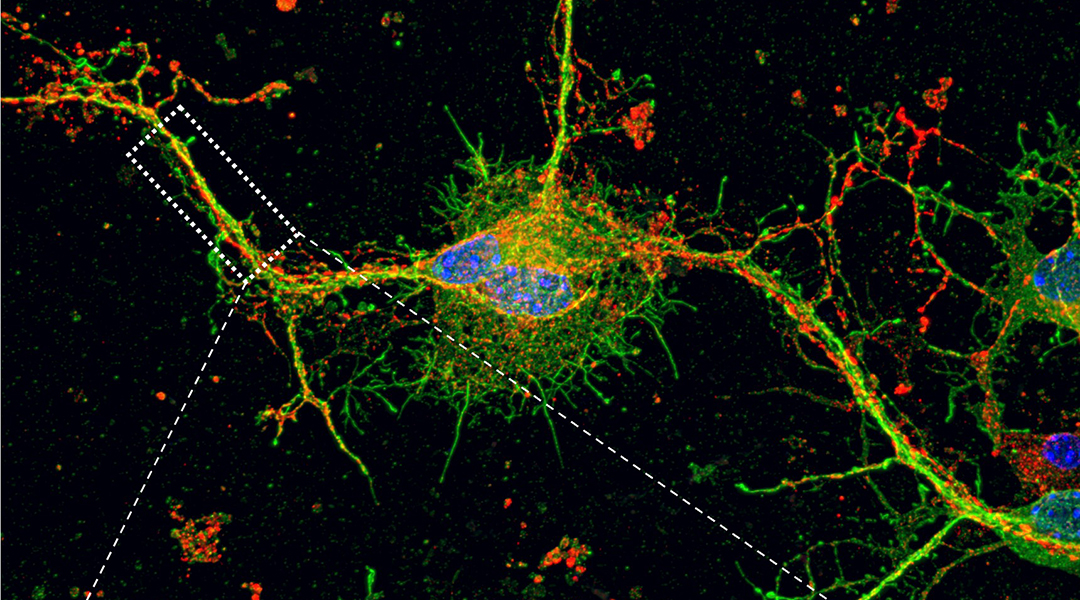
High levels of nitric oxide, a signaling chemical in the brain, appear to contribute to the behavioral deficits observed in autism.

Mimicking a part of the inner ear, a specialized hearing device converts vibrations into nerve signals without needing a battery.
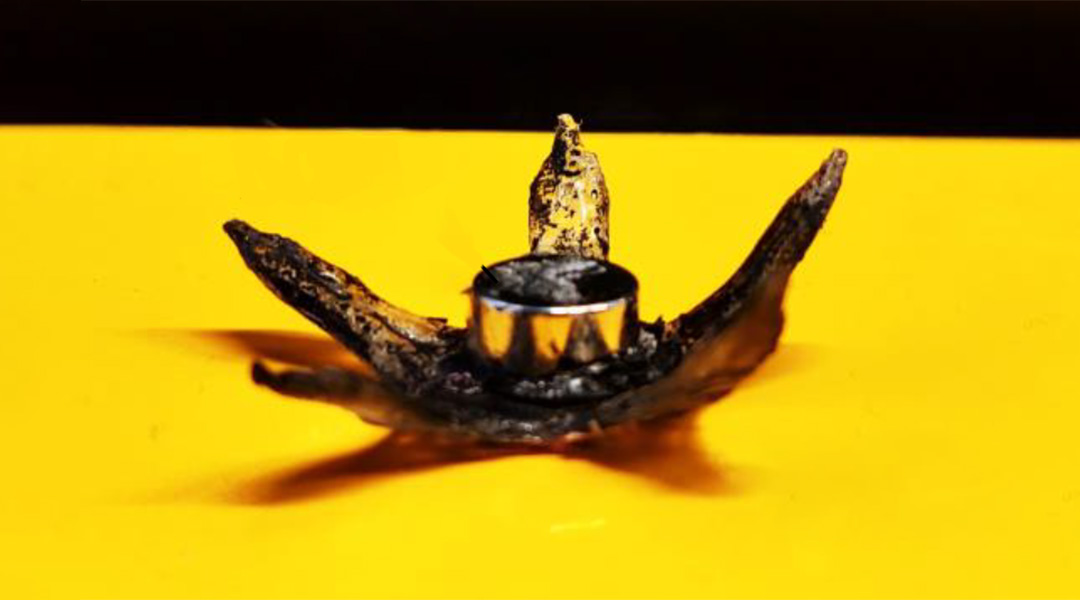
A shape-shifting robot can access hard-to-reach locations in the GI tract, and is a step up from conventional endoscopic techniques.

Stone flakes made unintentionally by monkeys may be common and confused with stone artifacts left behind by the earliest humans.