For the first time, the superlubricity between atomic layers of hexagonal molybdenum disulfide has been experimentally studied.
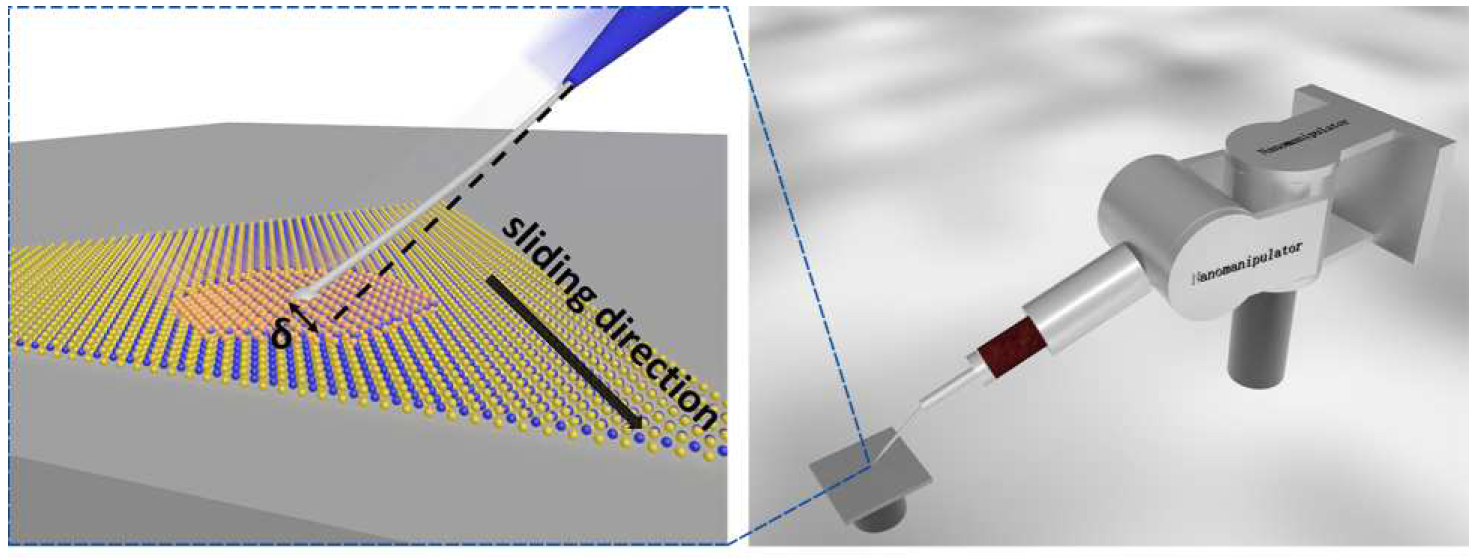

For the first time, the superlubricity between atomic layers of hexagonal molybdenum disulfide has been experimentally studied.
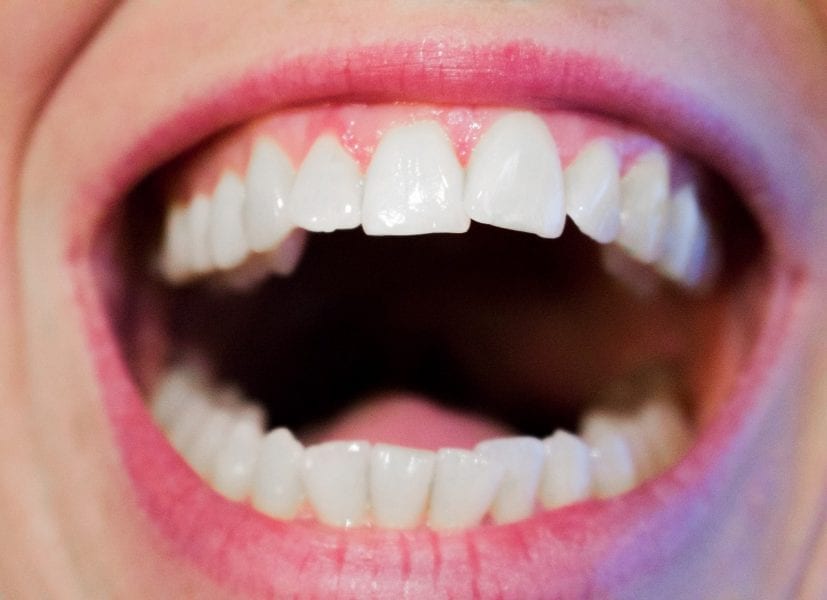
The unmineralized teeth of the giant keyhole limpet are shown to have mechanical properties similar to those of mineralized mammalian bones.
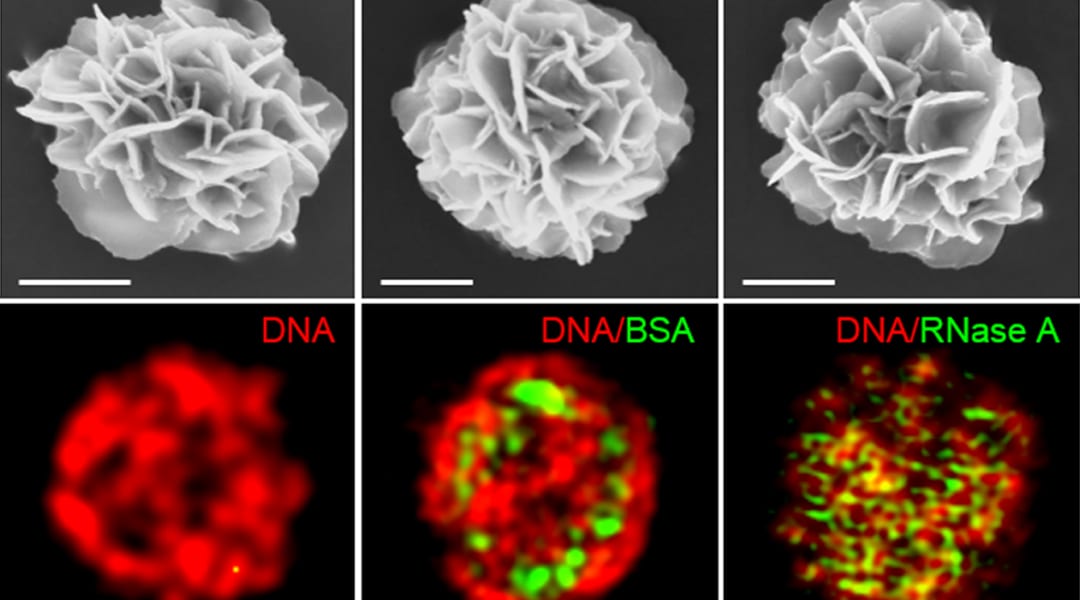
In-situ assembled flower-shaped DNA constructs can be used for an efficient intracellular protein delivery.
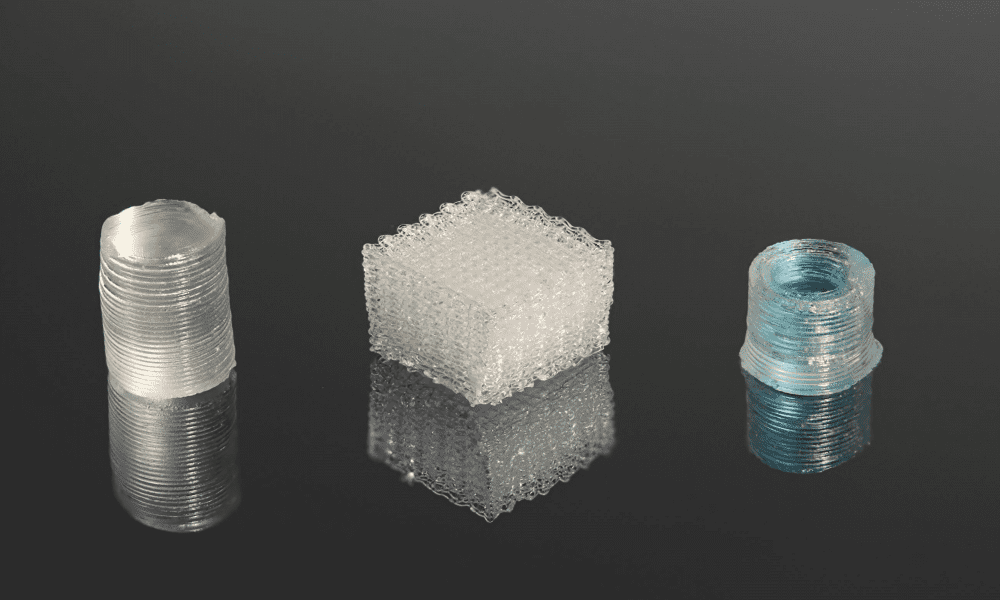
3D-printed transparent glass is prepared using a two-step method that shows promise for the creation of glass optics as well as intricate glass structures.
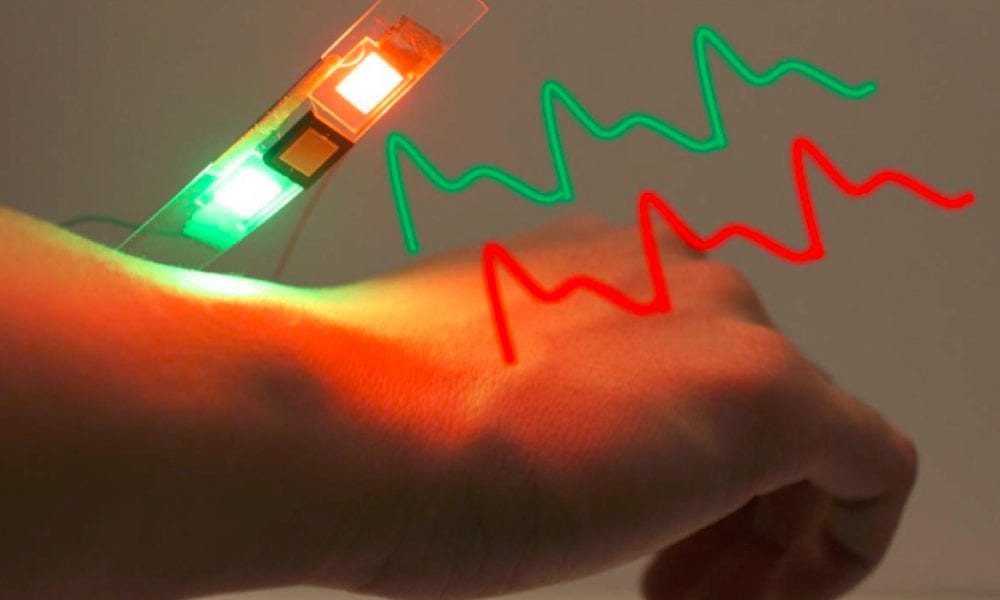
Accurate pulse and oxygenation data can be obtained through multicolor PLEDs on one flexible substrate fabricated by a surface energy patterning assisted blade coating technique.

An optically transparent epoxy-siloxane molecular hybrid material that simultaneously exhibits glass-like wear resistance and strength, plastic-like modulus and a high modulus of resilience is developed by Dongchan Jang, Byeong-Soo Bae and co-workers.

A set of biocompatible, biodegradable, and biofunctionalizable diffractive optical elements (DOEs) using silk proteins as the building materials are reported by Zhendong Tao, Tiger H. Tao and co-workers.

Thermal dewetting of gold, which is sandwiched between the yolk and shell, leads to the desired nanocup morphology.
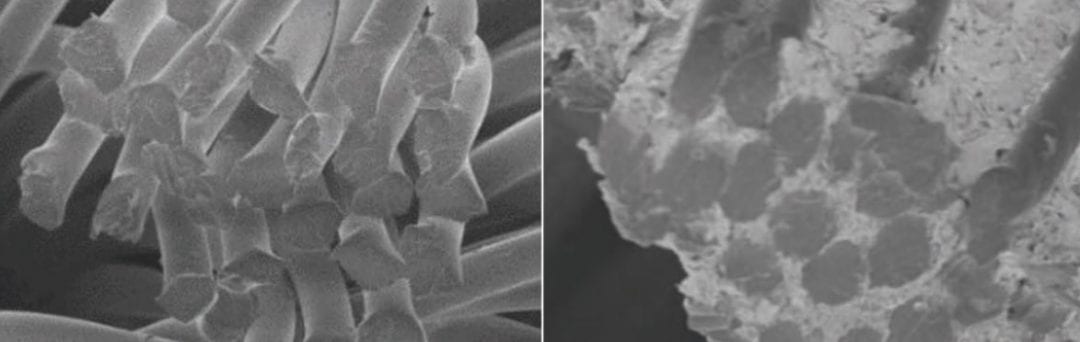
When fabric stretches, printed patterns crack and separate. This new conductive ink maintains the integrity of printed circuits for electronic textiles.
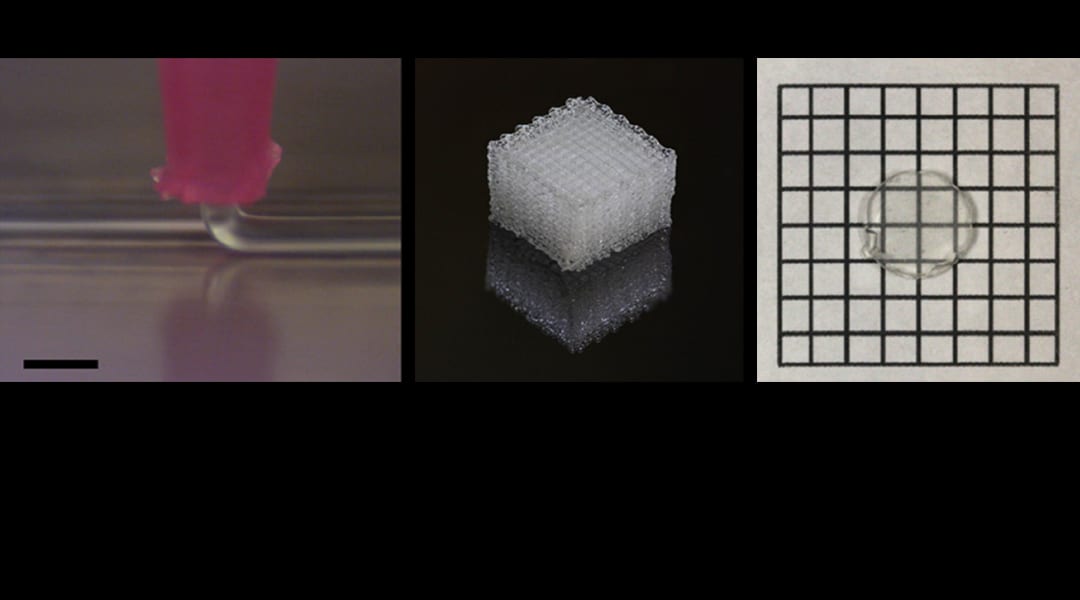
3D printing technology enables a mold-free formation of freeform transparent glass.

 Micron-sized hidden dimensions could solve two of physics’ deepest puzzles
 Turning Periods into Power: Menstrual Blood a Valuable Resource for Medical Diagnostics
 Surfactants Steer Supraparticle Structure
 Bone loss in obesity traced to gut microbiota
 Edible electronics realize safe, complex monitoring devices
 Fermilab Confirms Muon g-2 Measurements