Researchers create soft robots that can sense touch, pressure, movement and temperature.
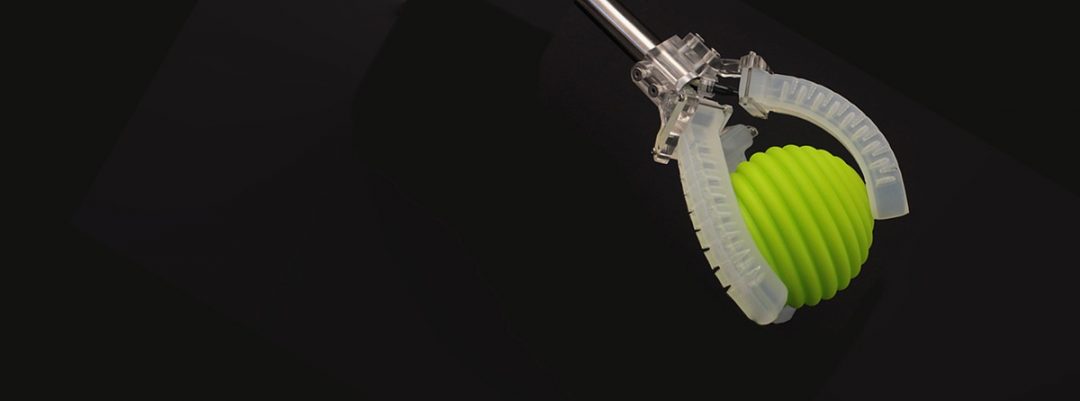

Researchers create soft robots that can sense touch, pressure, movement and temperature.
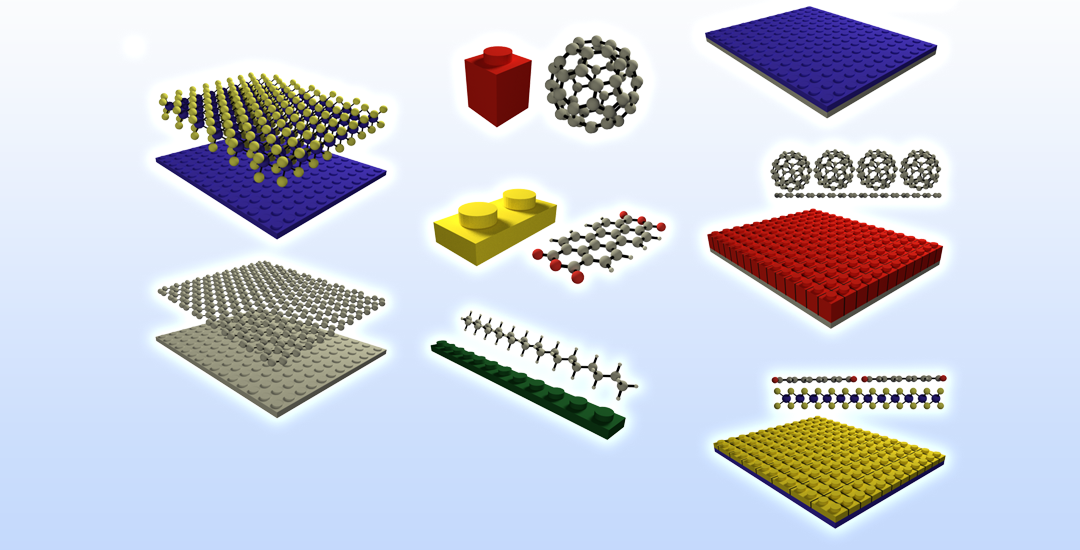
The many possibilties of hybrid organic/inorganic van der Waals heterostructure systems where highly-ordered (supra)molecular layers are interfaced with inorganic 2D materials are discussed.
![Low-Power, High-Speed Analog Computing [Video]](https://www.advancedsciencenews.com/wp-content/uploads/2018/03/adma201705914_ASN_image-e1521125299316.png)
Researchers from the University of Massachusetts and Hewlett Packard Labs present a memristor platform for analog computations and forecast a device performance at least 16 times greater than purely digital solutions.
![The Superlubric Behavior of Graphene [Video]](https://www.advancedsciencenews.com/wp-content/uploads/2018/03/adma201705791_ASN_image-e1521123653865.png)
Professor Peter Coveney and co-workers from University College London elucidate the process that drives the exfoliation of graphite into graphene sheets using molecular dynamic simulations.
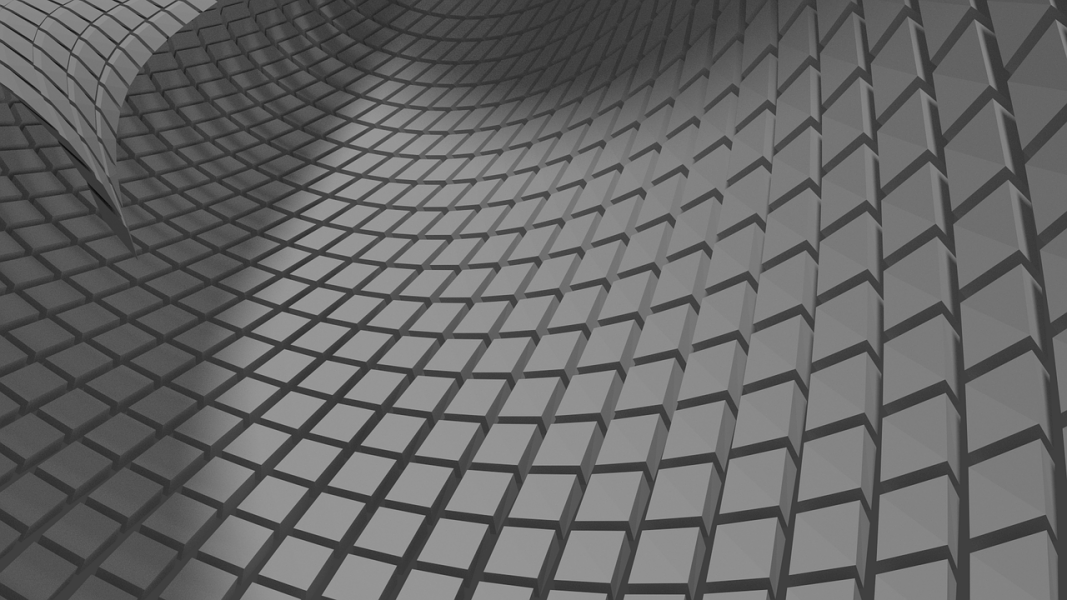
Precision micromanufacturing of electrospun microfibers can create 3D scaffold structures which support the growth of tessellated microtissues.
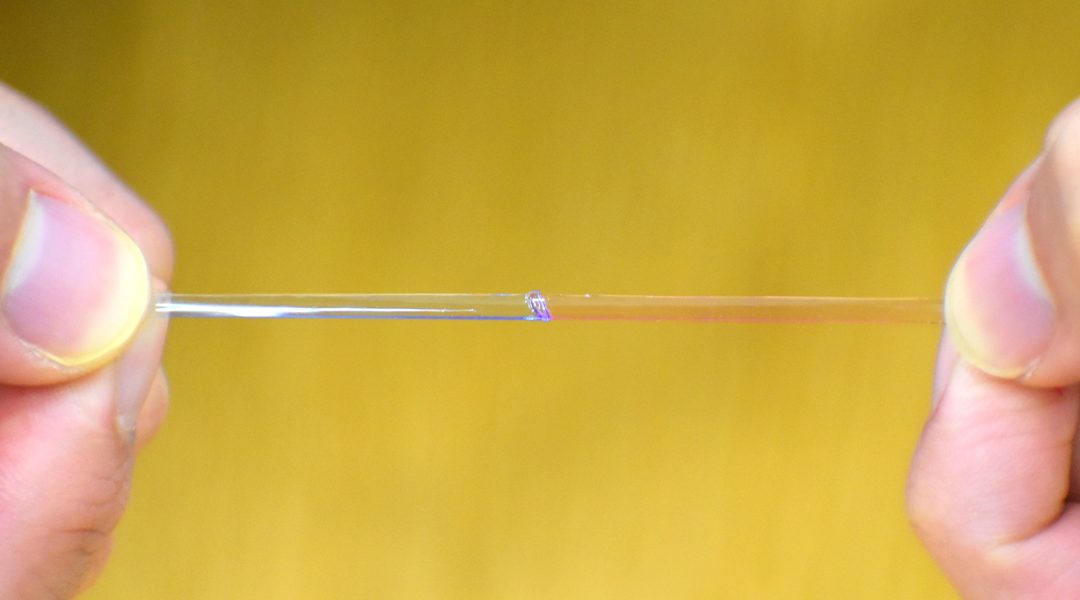
Robust electronic skin by utilizing supramolecular chemistry to produce a tough, self-healing elastic material.
![High-Performance n-Type Thin-Film Transistors [Video]](https://www.advancedsciencenews.com/wp-content/uploads/2018/03/adma201707164_ASN_image.png)
Dr. Yang Wang, Prof. Tsuyoshi Michinobu, and colleagues from Tokyo Institute of Technology report a novel synthesis for high-molecular-weight n-type semiconducting copolymers with high electron mobilities in unipolar n-channel organic transistors.
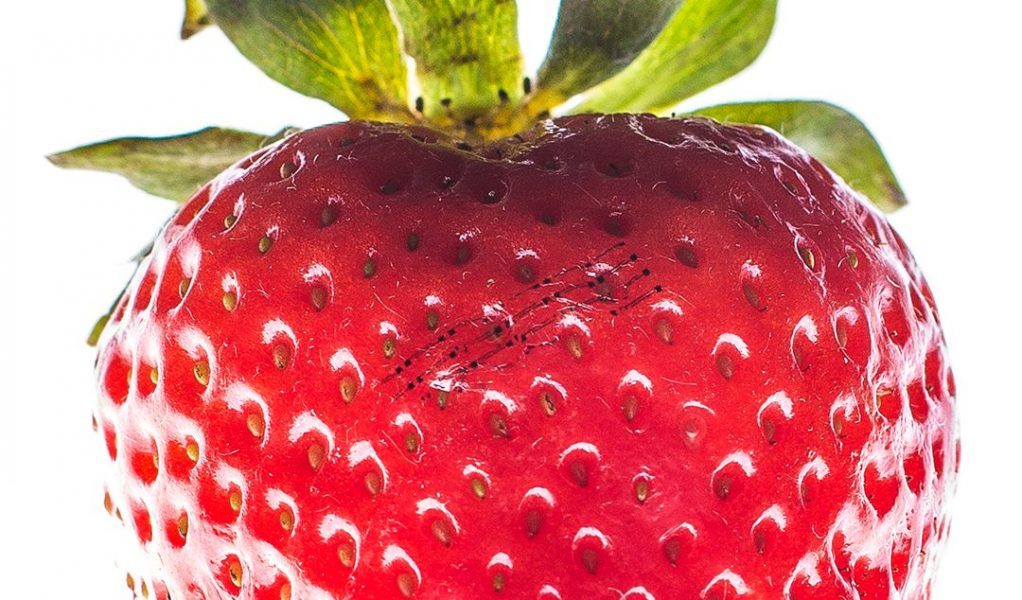
The first seeds towards non-invasive edible electronics are sown.
![Highly-Ordered Hydrogels as Mimics for Natural Ligaments [Video]](https://www.advancedsciencenews.com/wp-content/uploads/2018/03/adma201704937_ASN_image.png)
Researchers from Hokkaido University in Sapporo, Japan, report a method to fabricate hydrogels with hierarchical fibrous structures that mimic tendons and ligaments.
![Two-Phase Coexistence in Organometal Halide Perovskites Induces a Superlattice [Video]](https://www.advancedsciencenews.com/wp-content/uploads/2018/03/adma.201705230_ASN_image.png)
The structure of organometal halide perovskites is elucidated, revealing a coexistence of crystal phases at room temperature that induces a self-organized superlattice.

 Micron-sized hidden dimensions could solve two of physics’ deepest puzzles
 Turning Periods into Power: Menstrual Blood a Valuable Resource for Medical Diagnostics
 Surfactants Steer Supraparticle Structure
 Bone loss in obesity traced to gut microbiota
 Edible electronics realize safe, complex monitoring devices
 Fermilab Confirms Muon g-2 Measurements